Brake Pad Cost Calculator
You pull into the garage, and the mechanic drops a number that makes you wince. You asked about "brakes," expecting to pay for two sets-one for the front wheels where most of the stopping power lives. Instead, they quote you for all four corners. It’s a classic moment of confusion in car maintenance. The short answer is that a set of four brake pads typically costs between £150 and £600 for parts alone, depending heavily on your vehicle type and the material quality you choose. If you factor in labor, that bill can easily climb to £300-£800.
But here is the catch: not every car needs new pads on all four wheels at once. Understanding why you’re being charged for four sets instead of two, and what exactly you are paying for, saves you from overpaying for services you don’t need yet. Let’s break down the real costs, the materials, and when it actually makes sense to replace all four.
Understanding the "Set of 4" Misconception
Before we talk prices, we need to clear up a mechanical reality. Most passenger cars, SUVs, and light trucks use disc brakes on the front wheels and either disc or drum brakes on the rear. When people say "a set of brake pads," they usually mean one axle-two pads for the left wheel and two for the right. That is four individual friction blocks, but it only covers half the car.
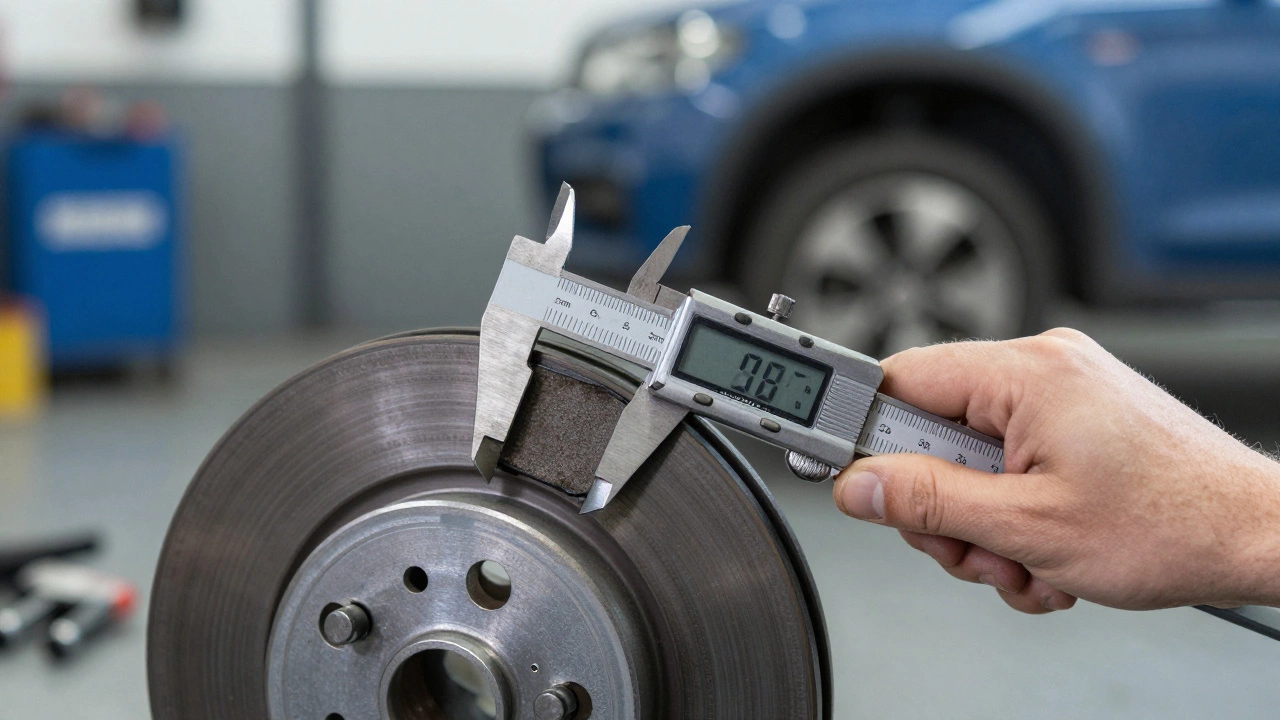
If a mechanic quotes you for a "set of 4 brake pads" meaning all four wheels, they are selling you two separate kits: one for the front axle and one for the rear axle. This is common practice because rear brake wear often trails behind front brake wear by thousands of miles. However, if your rear pads are worn below 3mm thickness alongside your fronts, replacing all four simultaneously ensures balanced braking performance and prevents pulling to one side during emergency stops.
Ask yourself: did the mechanic measure both axles? If your rear pads have 6mm or more of life left, you should only be paying for the front set (two pads per wheel). If they push for all four without showing you the measurements, you might be getting upsold.
Material Matters: Ceramic vs. Semi-Metallic vs. Organic
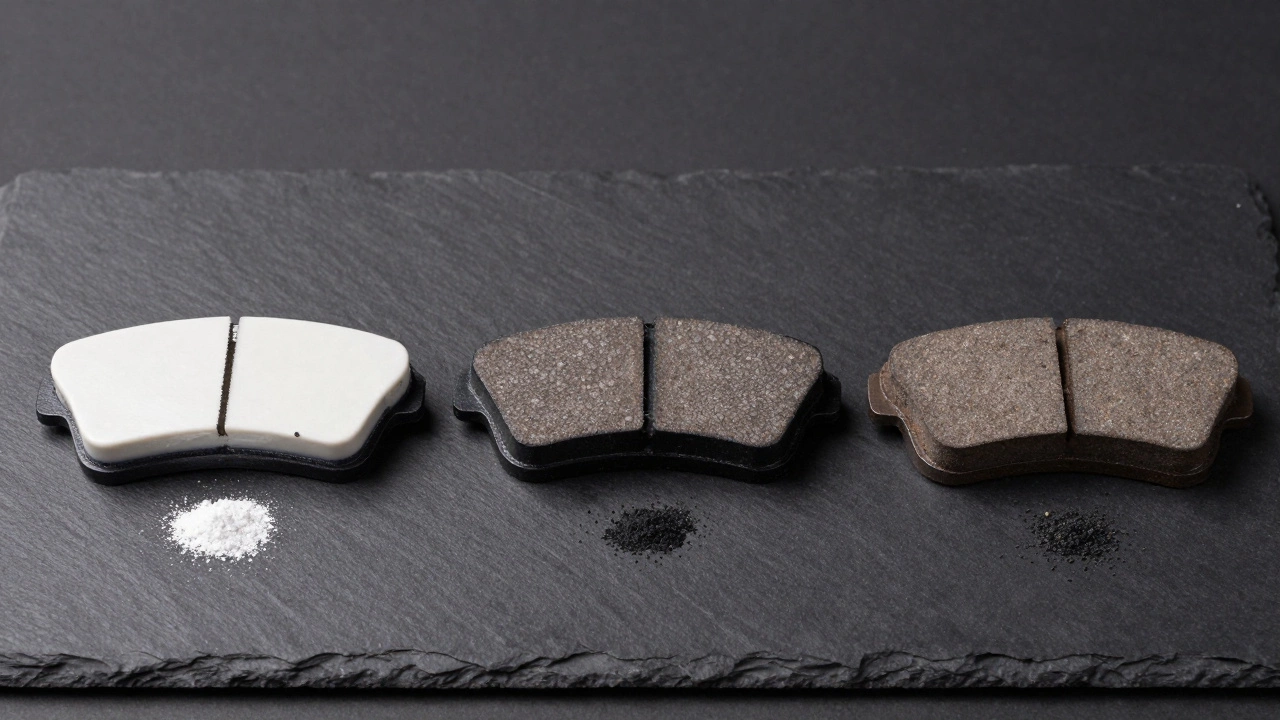
The biggest driver of price isn't the brand logo; it's the compound inside the pad. Different materials offer different trade-offs in noise, dust, heat resistance, and rotor wear. Choosing the wrong type can ruin your rotors faster than cheap pads ever could.
| Material Type | Price Range (Per Axle) | Best For | Downsides |
|---|---|---|---|
| Ceramic | £40 - £90 | Daily commuters, quiet rides, low dust | Higher cost, less effective in extreme cold |
| Semi-Metallic | £25 - £50 | Towing, heavy loads, high-performance driving | Noisier, creates more brake dust, wears rotors faster |
| Organic (NAO) | £20 - £40 | Older vehicles, light-duty use | Wears out quickly, fades under heavy heat |
Ceramic brake pads are the gold standard for modern daily drivers. They contain ceramic fibers and copper fillers that provide consistent friction with minimal noise. They produce very little black dust on your wheels, keeping them cleaner longer. While they cost more upfront, they are gentler on your brake rotors, which are significantly more expensive to replace. If you drive mostly in city traffic or want a silent cabin, ceramic is worth the extra £20-£30 per axle.
Semi-metallic brake pads, on the other hand, are built like tanks. Made from steel wool, iron, and other metal shavings, they handle heat better than ceramics. If you tow a caravan, carry heavy loads, or do mountain driving where brakes get hot, semi-metallic is the safer choice. The trade-off? They squeal more easily and grind against your rotors, shortening rotor life. They also leave significant black dust on your alloy wheels.
Labor Costs: Why Mechanics Charge What They Do
Parts are only half the battle. Labor rates in the UK vary wildly between independent garages and main dealerships. As of 2026, the average hourly rate for an independent mechanic sits between £75 and £100, while dealership rates can exceed £120 per hour.
A standard brake pad replacement takes about 1 to 1.5 hours for one axle. Replacing all four wheels pushes this to 2-3 hours. Here is why:
- Caliper Removal: The mechanic must unbolt and remove the calipers to access the old pads.
- Piston Reset: The caliper pistons must be compressed back into their housing to make room for the thicker new pads. This requires special tools to avoid damaging the seals.
- Cleanliness: Proper installation requires cleaning the caliper slides and lubricating contact points with high-temperature grease. Skipping this step leads to sticking calipers and uneven wear within months.
If you go to a quick-fit chain, you might see a fixed-price package deal around £150-£200 for a front axle change including VAT. Dealerships will likely charge £250+ for the same service due to higher overheads and OEM-part markups. Always ask if the quote includes VAT, disposal fees, and any potential rotor resurfacing.
Hidden Costs: Rotors, Sensors, and Fluid
The sticker price for brake pads rarely tells the whole story. During inspection, mechanics often find secondary issues that add to the bill. Here is what to watch out for:
- Brake Rotor Condition: If your rotors are warped, scored, or thinner than the manufacturer’s minimum specification, they must be replaced or skimmed. Skimming costs £40-£60 per rotor; replacement runs £80-£150 per pair. Never put new pads on bad rotors-it causes vibration and premature failure.
- Wear Sensors: Many modern cars have electronic sensors embedded in the brake pads that beep when wear reaches a critical level. These sensors are single-use. If yours triggered the dashboard warning, you’ll need new sensors (£10-£20 each) plus labor to install them.
- Brake Fluid Flush: Over time, brake fluid absorbs moisture, lowering its boiling point. If your fluid is dark or contaminated, a flush (£50-£80) is recommended to prevent brake fade under hard stopping.
A savvy approach? Ask for a visual inspection first. If your rotors are smooth and thick enough, stick to just the pads. If the mechanic recommends rotors, ask to see the measurement gauge reading. Transparency builds trust.
DIY vs. Professional Installation: Is It Worth Saving?
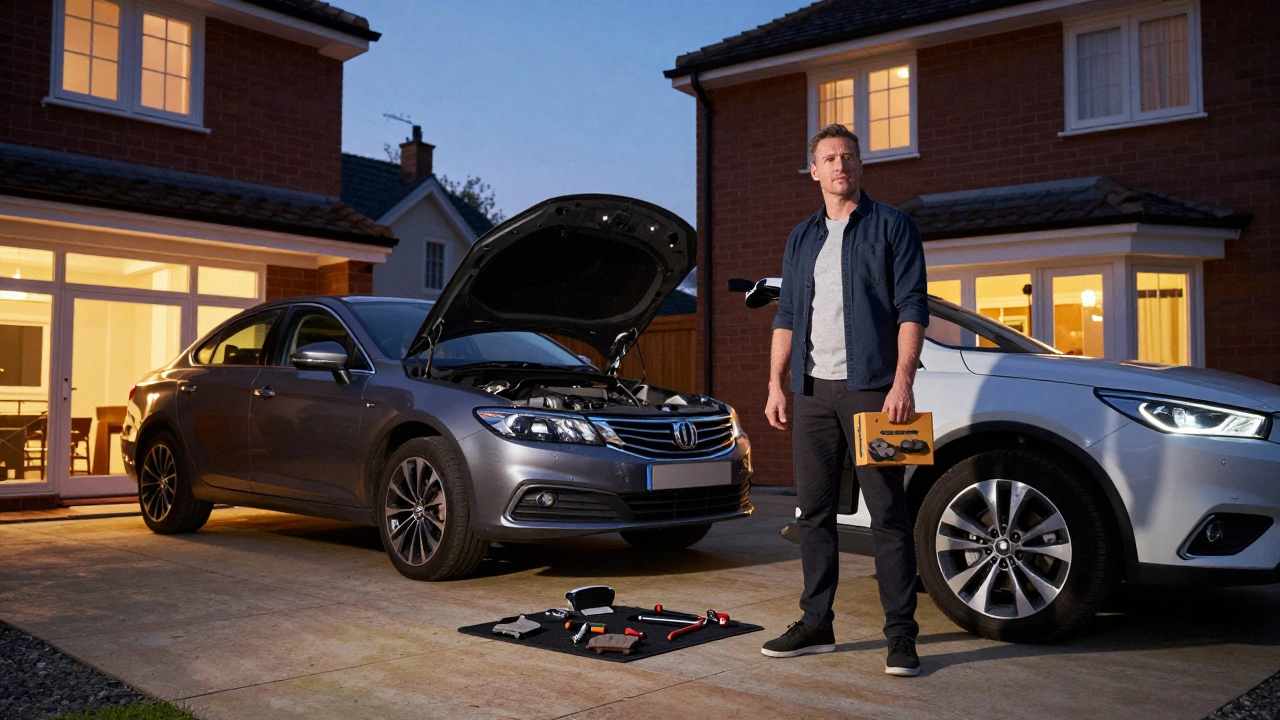
If you have basic mechanical skills, a driveway, and a jack stand, changing brake pads is one of the most rewarding DIY projects. You can buy high-quality ceramic pads online for £30-£50 per axle and save £100+ in labor. Total project cost? Under £100 for all four wheels if you already own tools.
However, there are risks. Improperly seated pads can lead to reduced stopping power. Failing to lubricate caliper pins causes them to seize, leading to costly repairs later. And if you don’t bleed the brake system correctly after resetting pistons, you risk spongy pedals.
Who should DIY?
- Owners of older, simpler vehicles with accessible brake components.
- Those who already own torque wrenches, C-clamps, and brake grease.
- People comfortable following detailed video tutorials from trusted sources.
Who should hire a pro?
- Drivers of luxury or performance cars with complex ABS/ESC systems requiring diagnostic software.
- Anyone unfamiliar with hydraulic systems.
- Those who value warranty coverage and peace of mind.
When to Replace All Four Wheels Simultaneously
While front brakes wear 60-70% faster than rears, there are scenarios where replacing all four is the smarter financial move:
- High Mileage Vehicles: If your car has over 60,000 miles and hasn’t had rear brakes changed recently, check the rear thickness. If they’re near 3mm, bundle the job.
- Consistent Driving Habits: Aggressive drivers or those who frequently tow will wear rear pads closer to front pad lifecycles.
- Pre-Purchase Inspection: Buying a used car? If the seller says brakes were "just done," verify. Replacing all four gives you a clean slate and avoids surprise bills in six months.
Bundle discounts are real. Some shops offer 10-15% off labor if you do all four corners at once. Factor that into your decision.
Final Checklist Before Paying
Before handing over your card, run through this mental checklist:
- Did I confirm whether the quote is for one axle or all four?
- Are the pads ceramic (for comfort) or semi-metallic (for durability)?
- Is rotor condition included in the inspection?
- Are wear sensors included if my car has them?
- Is VAT and disposal fee clearly stated?
Knowing these details turns a scary repair bill into a predictable maintenance expense. You’re not just buying friction material; you’re buying safety. Choose quality materials, verify the scope of work, and never compromise on proper installation. Your brakes are the last thing standing between you and disaster-treat them accordingly.
Do I really need to replace all four brake pads at once?
Not always. Front brake pads wear significantly faster than rear ones. Only replace all four if your rear pads are also worn below 3mm thickness or if your mechanic confirms they are nearing end-of-life. Replacing unnecessary parts wastes money.
What is the average cost of brake pads for a Toyota Corolla?
For a Toyota Corolla, expect to pay £30-£60 for a front axle set of ceramic pads and £25-£50 for rear. Labor adds £75-£100. Total job for one axle: £105-£160. All four axles: £210-£320.
Can I mix ceramic and semi-metallic brake pads?
It’s possible but not recommended. Mixing compounds can cause uneven braking force, leading to pulling or instability. Stick to the same material type across all four wheels for consistent performance.
How long do brake pads last on average?
Front pads typically last 30,000-70,000 miles depending on driving style. City driving with frequent stops wears them faster. Highway cruising extends life. Rear pads often last 50,000-100,000 miles.
Is it cheaper to buy brake pads online or at a shop?
Online retailers usually offer better prices on brands like Bosch, ATE, or EBC. Local shops may charge a markup for convenience. However, buying online means you handle installation yourself unless you pay a separate mechanic fee.