Suspension Repair Cost Calculator
Estimate Your Repair Cost
Estimated Cost
£0Important Notes: Costs may increase if additional parts need replacement. Professional alignment recommended after repairs (£40-£60). DIY may save £50-£100 but carries safety risks.
When your car starts bouncing like a trampoline over potholes, or leans badly when you turn, it’s not just annoying-it’s dangerous. And the big question that pops up right after that first weird noise is: is fixing suspension expensive? The answer isn’t simple. It depends on what’s broken, what kind of car you drive, and where you get it fixed. But here’s the truth: suspension repairs can range from under £150 to over £1,200. And most people are shocked by the bill.
What Even Is Suspension? (And Why It Matters)
Your car’s suspension isn’t one part. It’s a system. It includes shock absorbers, struts, springs, control arms, ball joints, bushings, sway bars, and mounting hardware. Each piece plays a role: keeping your tyres on the road, smoothing out bumps, and helping you steer safely. When one part wears out, the others start taking extra stress. That’s why ignoring a squeak or a wobble can turn a cheap fix into a costly one.
Think of it like your feet. If your arch support wears out, your knees and hips start hurting too. Same with your car. A worn bushing might seem harmless, but it’ll eventually wear down your tyres unevenly, stress your steering, and make your brakes less effective.
Common Suspension Problems and Their Costs
Not all suspension repairs are the same. Here’s what most UK drivers actually pay for the top five issues in 2025:
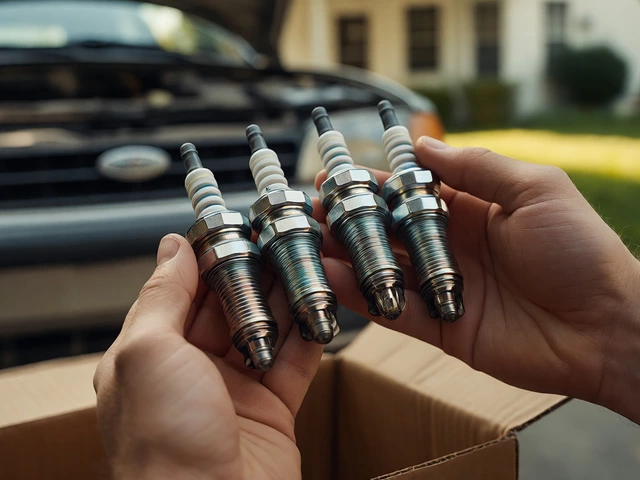
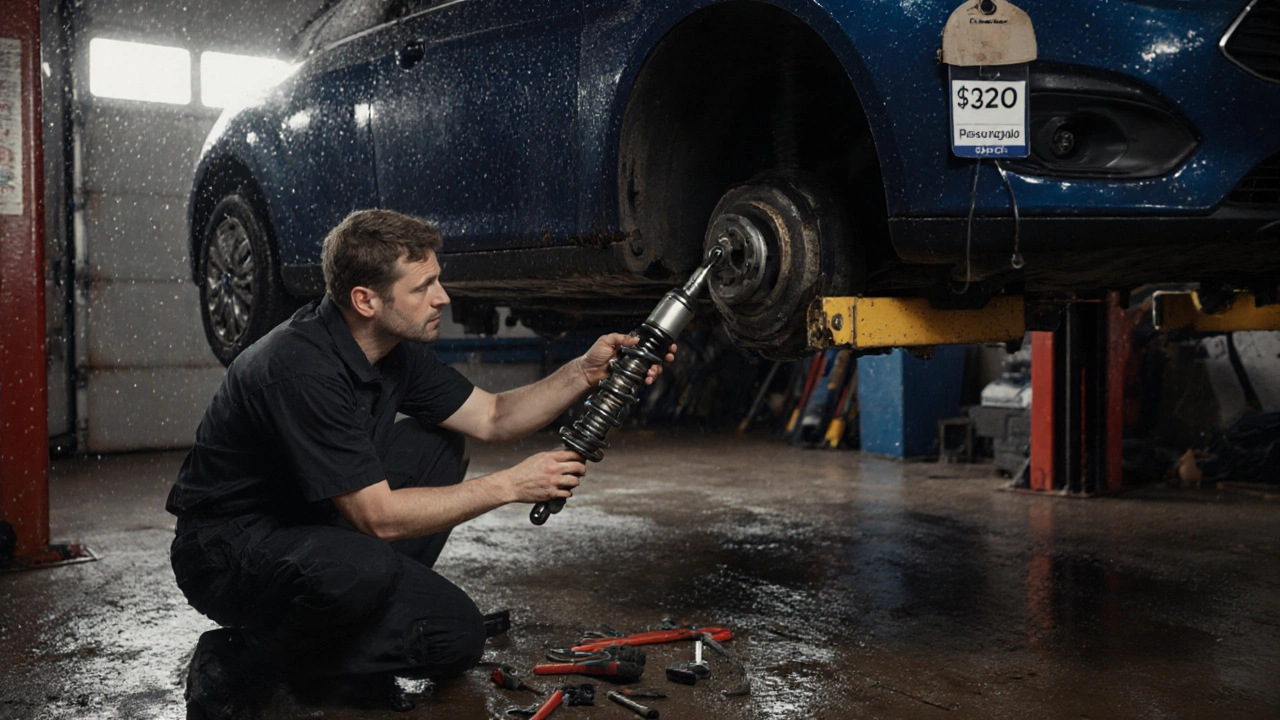
- Shock absorbers or struts replacement - £200 to £600 per pair. Front struts on a Ford Focus cost around £250-£350 total, including labour. On a BMW 3 Series? More like £500-£700. Labour takes 2-3 hours, and parts vary wildly by brand.
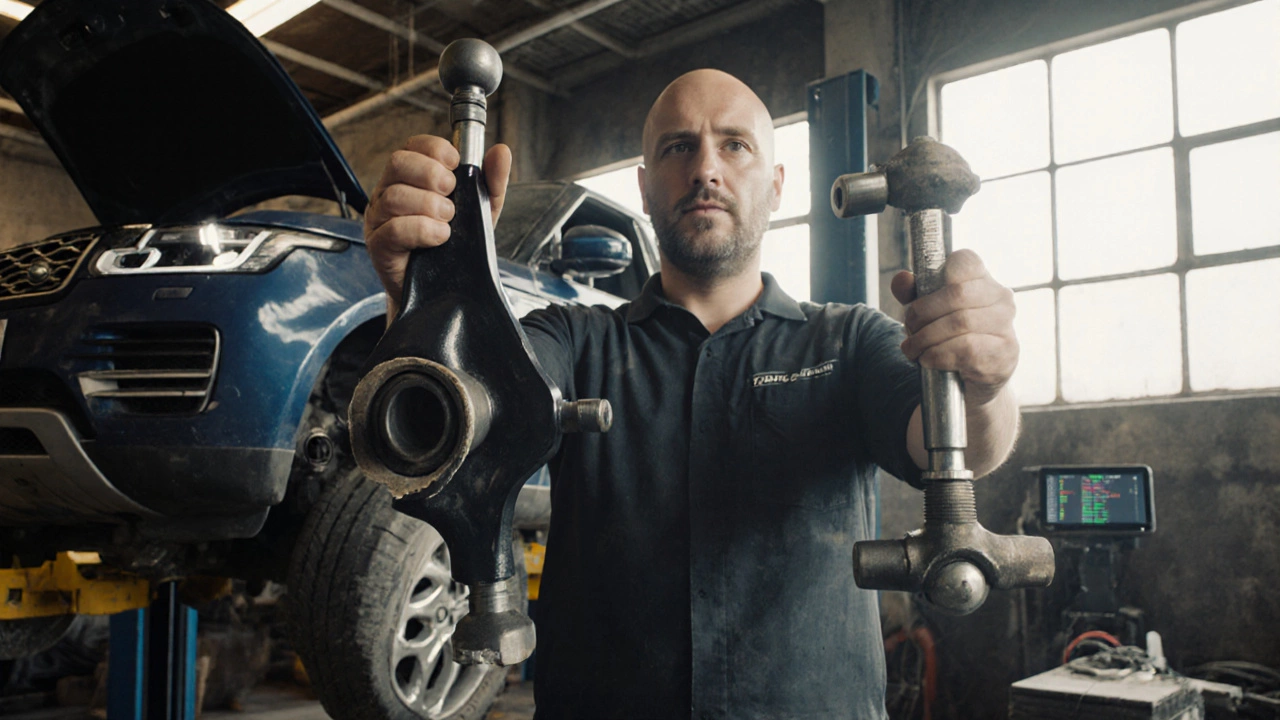
- Control arm replacement - £150 to £400 per side. If the ball joint is worn too, you’ll need the whole arm. Some cars have integrated ball joints-you can’t replace just one. A VW Golf might cost £220; a Range Rover could hit £450.
- Ball joints - £80 to £250 each. These are small but critical. If they fail while driving, you lose steering control. Many garages replace them in pairs, even if only one is bad, because the other is likely close to failing.
- Coil springs - £120 to £300 per pair. Springs don’t wear out often, but they can snap after a big impact or if the car’s been overloaded for years. Replacing one spring usually means replacing both sides to keep the ride level.
- Stabiliser bar links and bushings - £60 to £180 total. These are the cheapest fixes. A rattling noise over bumps? Often just these. Labour is quick, parts are cheap. Easy DIY if you’re handy.
Labour costs vary by region. In Manchester, expect £70-£95 per hour. In London, it’s £90-£120. Independent garages often charge less than dealerships, but make sure they use OEM or quality aftermarket parts-cheap ones fail faster.
When Suspension Repair Gets Really Expensive
Most repairs are straightforward. But sometimes, it’s not just the part-it’s the damage it caused.
Let’s say you drove for months with a worn ball joint. That extra movement put stress on your steering rack. Now you need a new rack, which costs £800-£1,500. Or maybe your tyres are worn unevenly because your alignment was off from bad suspension. You’ll need new tyres, an alignment, and the suspension fix-all at once.
On luxury or performance cars, things get pricier fast. Audi, Mercedes, or Tesla models often have electronic suspension systems. A single air strut on a Tesla Model 3 can cost £600 just for the part. Labour? Another £200. Total? Over £800. And if the sensor is faulty too? You’re looking at £1,200 before tax.
There’s also the hidden cost: time. If your car’s in the shop for 2-3 days because parts need ordering, you’re paying for a hire car or public transport. That adds up.
How to Avoid Getting Ripped Off
Not every garage has your best interests in mind. Here’s how to protect yourself:
- Get a written quote before any work starts. Ask for a breakdown: parts, labour, VAT.
- Ask if they’re replacing just the broken part or the whole assembly. Sometimes you can save money by replacing only the worn component.
- Check if the parts are OEM (Original Equipment Manufacturer) or aftermarket. Brands like KYB, Monroe, and Sachs are reliable. Avoid no-name brands-they fail within 6 months.
- Don’t skip the wheel alignment after suspension work. It’s usually £40-£60 and prevents premature tyre wear.
- Ask for a warranty. Reputable garages offer 12-24 months on parts and labour.
Some garages will try to upsell. If they say "your entire suspension is shot," ask for photos or a diagnostic report. A good mechanic will show you the worn parts, not just tell you.
DIY: Can You Fix It Yourself?
Some suspension fixes are doable if you’ve got basic tools and a garage. Replacing stabiliser bar links or bushings? Easy. Changing shock absorbers? Possible with a spring compressor and patience. Struts? Not so much-they’re under pressure. Mess it up, and you could damage the wheel or brake line.
YouTube tutorials help, but don’t underestimate the risk. A snapped spring can fly out with enough force to break a bone. And if your alignment is off after DIY work, your tyres will wear out in weeks.
For most people, it’s smarter to pay £150-£300 for a professional to do it right. You get the warranty, the alignment, and peace of mind.
When It’s Not Worth Fixing
Here’s the hard truth: sometimes, fixing the suspension isn’t the smartest move.
If your car is over 12 years old, has more than 120,000 miles, and needs multiple suspension parts replaced, ask yourself: is this car worth £1,000+ in repairs? If the engine’s starting to smoke or the gearbox’s slipping, you’re throwing good money after bad.
On the flip side, if your car is a reliable daily driver-say, a 2018 Honda Civic with a clean service history-spending £500 on suspension is a no-brainer. It’ll last another 5 years. That’s £100 a year to stay safe and comfortable.
Think of it like a house. You fix the roof before the walls rot. Suspension is your car’s foundation.
What You Can Do Right Now
You don’t need to wait until your car’s shaking apart. Here’s what to check every 6 months:
- Look at your tyres. Uneven wear on the inside or outside edge? Suspension issue.
- Press down on each corner of the car. If it bounces more than once, your shocks are worn.
- Listen for clunks or rattles over bumps. Especially when turning or braking.
- Check for oil leaks around shocks or struts. That’s a clear sign they’re failing.
If you spot any of these, book a suspension check. Most garages offer free inspections. It takes 15 minutes. It could save you £800 later.
Final Answer: Is Fixing Suspension Expensive?
Yes, it can be. But it doesn’t have to be. A single shock absorber replacement? Affordable. A full system overhaul on a luxury SUV? Expensive. The key isn’t avoiding the cost-it’s catching problems early.
Most drivers wait until the car feels unsafe. That’s when prices spike. If you act at the first sign of trouble-odd noises, pulling to one side, or a bumpy ride-you’ll pay less, drive safer, and keep your car longer.
Fixing suspension isn’t just about comfort. It’s about control. And control saves lives.
How long do suspension parts last in the UK?
Most shock absorbers and struts last 50,000 to 80,000 miles, but that depends on road conditions. In the UK, with rough roads and frequent rain, many drivers see wear by 60,000 miles. Bushings and ball joints can last longer-up to 100,000 miles-if they’re not damaged by impacts or neglect.
Can I drive with a broken suspension?
Technically, yes-but you shouldn’t. Driving with a broken suspension reduces your control, increases stopping distance, and can cause sudden tyre failure. If a strut is completely gone or a control arm is cracked, your car could veer unpredictably. Get it fixed immediately.
Do I need to replace all four shocks at once?
You don’t have to, but you should. Shocks wear evenly. If one is bad, the others are close behind. Replacing only two can make your ride uneven-your car might lean or bounce differently on each side. For safety and comfort, replace them in pairs (front or rear) or all four.
Is it cheaper to buy suspension parts online?
Sometimes, but with risks. Online parts can be 20-40% cheaper, but you might get counterfeit or low-quality items. If you buy online, stick to trusted sellers like Amazon UK, Halfords, or Autodoc. Always check reviews and warranty. If you’re not confident installing them, pay a mechanic to fit them-it’s worth the extra £50-£100.
Will my car fail its MOT because of suspension issues?
Absolutely. Suspension is a major MOT item. Worn ball joints, broken springs, leaking shocks, or excessive play in components will cause an automatic fail. Many MOT failures are due to suspension wear that drivers ignored. A £100 repair now can save you from a £400 MOT retest and a week without a car.