Alloy Wheels Disadvantages – What You Need to Know
When talking about Alloy Wheels, lightweight rims made from an aluminium‑based alloy, popular for their looks and performance. Also known as Alloy Rims, they’re a common upgrade on many cars and boats.
One of the first things drivers notice is that alloy wheels disadvantages can bite back in unexpected ways. Brake Wear, the accelerated thinning of brake pads caused by increased heat transfer through metal wheels often rises because alloy conducts heat faster than steel. That means your pads may need replacement sooner, and you’ll feel the difference in pedal feel. At the same time, Wheel Corrosion, the rust‑like degradation that can appear on alloy surfaces when exposed to road salts and moisture is a real headache, especially in the UK climate. Corrosion not only spoils the look but can weaken the rim structure over time.
Cost and Fitment Issues to Watch
Repair costs are another major pain point. Repair Costs, the higher labour and part expenses required to fix cracked or bent alloy rims can easily outpace the price of a steel replacement, mainly because specialists need to re‑machine or rebuild the alloy. Add to that the fact that alloy wheels are heavier than they look – they may be lighter than steel but still add unsprung weight, influencing suspension tuning and fuel economy. Finally, Tire Compatibility, the need to match tyre size, load rating and speed rating to the specific alloy design can limit your choices, especially if you switch between summer and winter sets.
All these factors create a chain of cause‑and‑effect relationships: alloy wheels increase heat transfer, which boosts brake wear; the same metal composition makes them vulnerable to corrosion, which raises repair costs; and the need for precise tire matching can restrict affordability. Understanding this web of drawbacks helps you weigh style against long‑term expenses before you commit.
Practical owners often take steps to offset the downsides. Regular cleaning with non‑acidic cleaners can slow corrosion, while using high‑quality brake pads designed for alloy‑wheel heat management can extend their life. Inspecting rims for cracks after hitting potholes, and keeping a spare steel wheel on hand for emergencies, are simple habits that save money down the road. If you’re keen on performance, consider a balanced approach: keep alloy wheels for everyday driving and switch to sturdier steel rims when you head off‑road or into harsh weather.
Below you’ll find a curated set of articles that dig deeper into each of these topics. From detailed guides on spotting brake wear early to cost‑breakdown snapshots of alloy‑wheel repairs, the collection gives you actionable insights to make an informed choice about your wheels. Keep reading to see how the disadvantages play out in real‑world scenarios and what you can do to mitigate them.
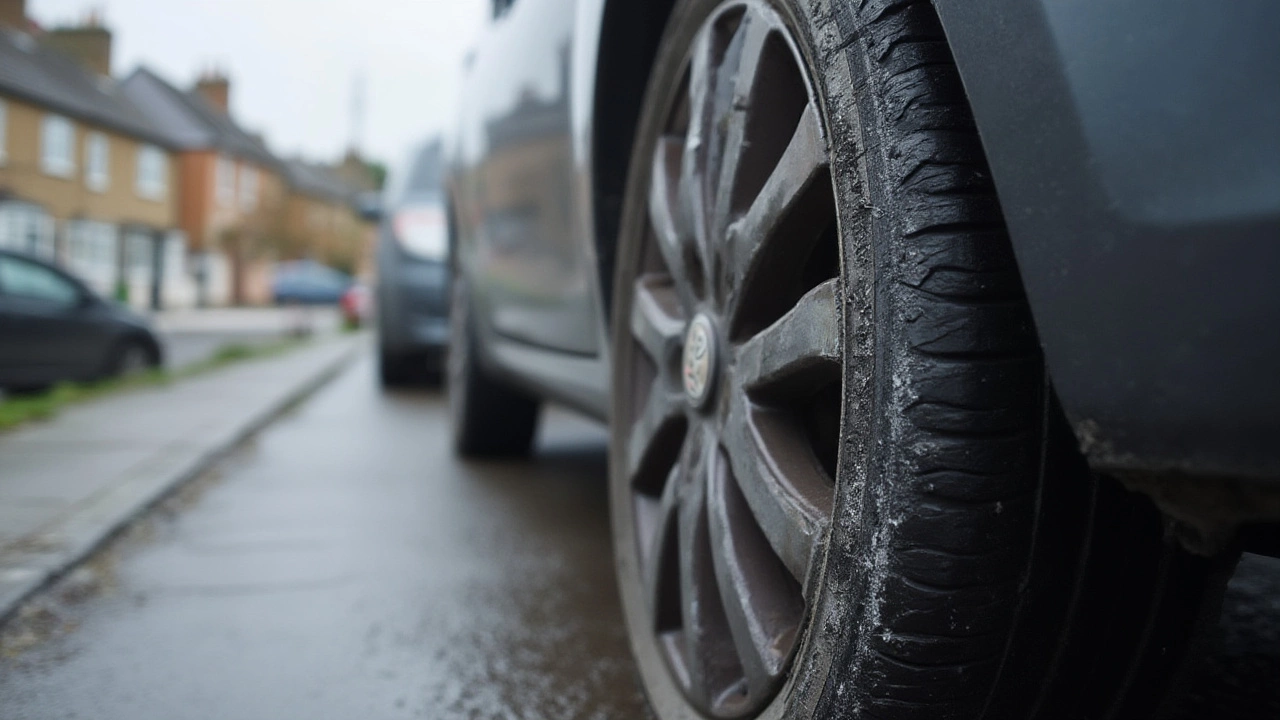
Alloy Wheels Disadvantages: Cost, Durability, Ride Quality & More Revealed
Jul 28 2025 / WheelsDiscover the drawbacks of alloy wheels, from strength issues and repair costs to practicality. Get real-life tips, facts, and what you should know before choosing them.
VIEW MORE