Bad Spark Plugs
When dealing with Bad Spark Plugs, faulty spark plugs that fail to fire correctly, causing poor engine performance and increased emissions. Also known as faulty spark plugs, they are a common weak link in the ignition chain.
Understanding a Spark Plug, the small ceramic‑metal component that creates the spark needed to ignite the air‑fuel mixture is the first step. The spark plug works inside the Ignition System, the network of coils, wires, and control units that deliver high voltage to each plug. If either the plug or any part of the system is compromised, you’ll see Engine Misfire, a condition where one or more cylinders fail to fire at the right time. Misfires not only make the car run rough; they also waste fuel, raise emissions, and can damage the catalytic converter.
Common Signs and Why They Matter
Most drivers notice a rough idle, a sudden loss of power, or a noticeable drop in mileage before realizing the plug is the culprit. A sputtering engine on acceleration? That’s a classic symptom of an incorrect Spark Plug Gap, the distance between the centre and ground electrode that must be set to the manufacturer’s specification. Too small a gap won’t generate enough spark, while too large a gap can cause the plug to wear faster. Both scenarios lead to a spike in fuel consumption and can trigger the check‑engine light.
In practice, a bad plug often shows a visible carbon deposit or a cracked insulator. You can pull the plug, examine the electrode wear, and use a feeler gauge to measure the gap. If the gap is out of spec, a simple adjustment may solve the issue. However, if the plug shows heavy fouling, it’s time for a replacement.
Replacing a plug isn’t just swapping parts; you need the right torque and gap. Over‑tightening can crack the ceramic, while under‑tightening leaves the plug loose, causing heat to build up. A torque wrench set to the manufacturer’s recommendation (usually around 13‑20 Nm) ensures a secure fit without damage. After fitting, re‑check the gap to confirm it stays within tolerance.
Why does all this matter? Because a well‑maintained ignition system keeps the engine running smoothly, improves fuel economy, and reduces emissions. In the long run, it also protects more expensive components like the fuel injectors and the catalytic converter.
Below you’ll find a curated list of articles that walk you through diagnosing bad spark plugs, checking the gap, comparing plug types, and mastering the replacement process. Whether you’re a DIY enthusiast or just want to understand what the mechanic is doing, the collection offers step‑by‑step advice, real‑world examples, and quick‑check lists to keep your engine humming.
Ready to dive into the specifics? Explore the posts for detailed testing methods, cost‑effective plug choices, and the exact tools you’ll need to get the job done right.

Driving With Bad Spark Plugs: Symptoms, Risks, Costs & Fixes (2025)
Sep 12 2025 / Ignition PartsDriving with bad spark plugs causes misfires, poor MPG, and can wreck your catalytic converter. Learn symptoms, risks, UK costs, and simple fixes in this 2025 guide.
VIEW MORE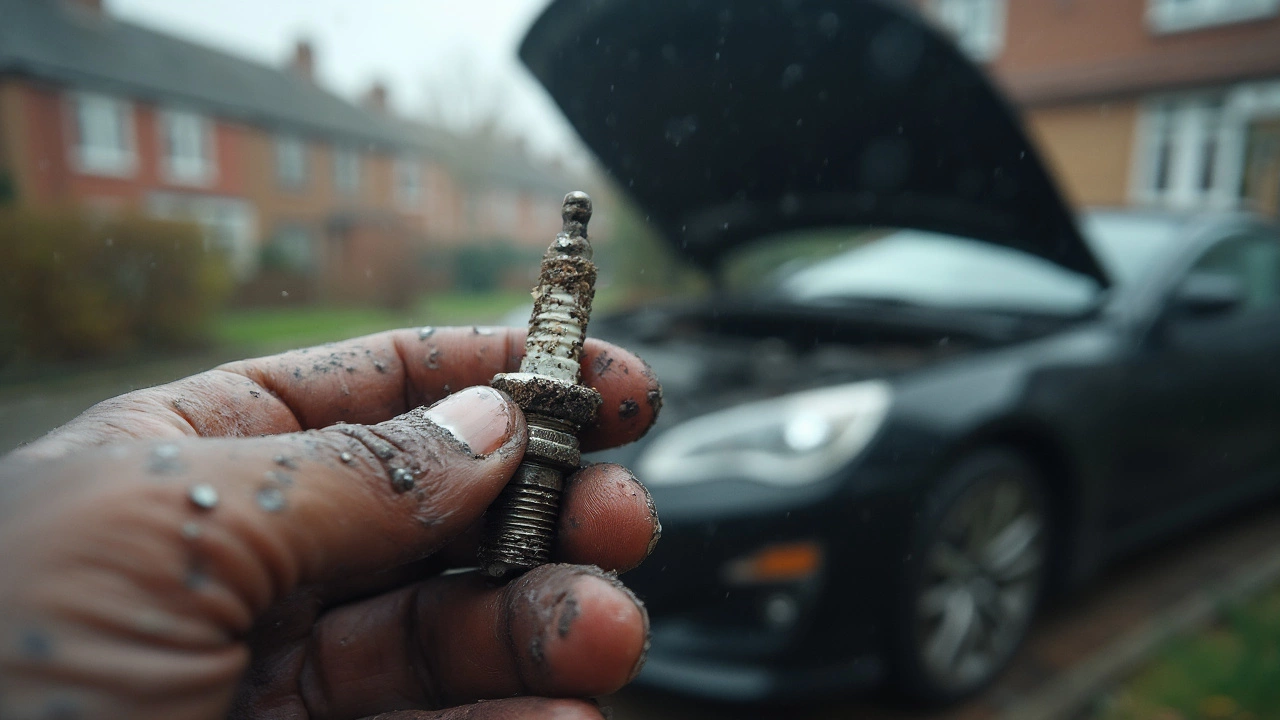
Can Bad Spark Plugs Stop Your Car from Starting? How This Tiny Part Can Leave You Stranded
Jun 23 2025 / AutomotiveEver had your car refuse to start for no obvious reason? Bad spark plugs might be the silent culprit. This article explores how something so small can completely stop your engine, what happens when spark plugs fail, and easy ways to spot trouble before you’re stranded. You’ll get simple tips, practical advice, and some intriguing facts to keep your car running smooth.
VIEW MORE