Brake Pad Material Comparison – What You Need to Know
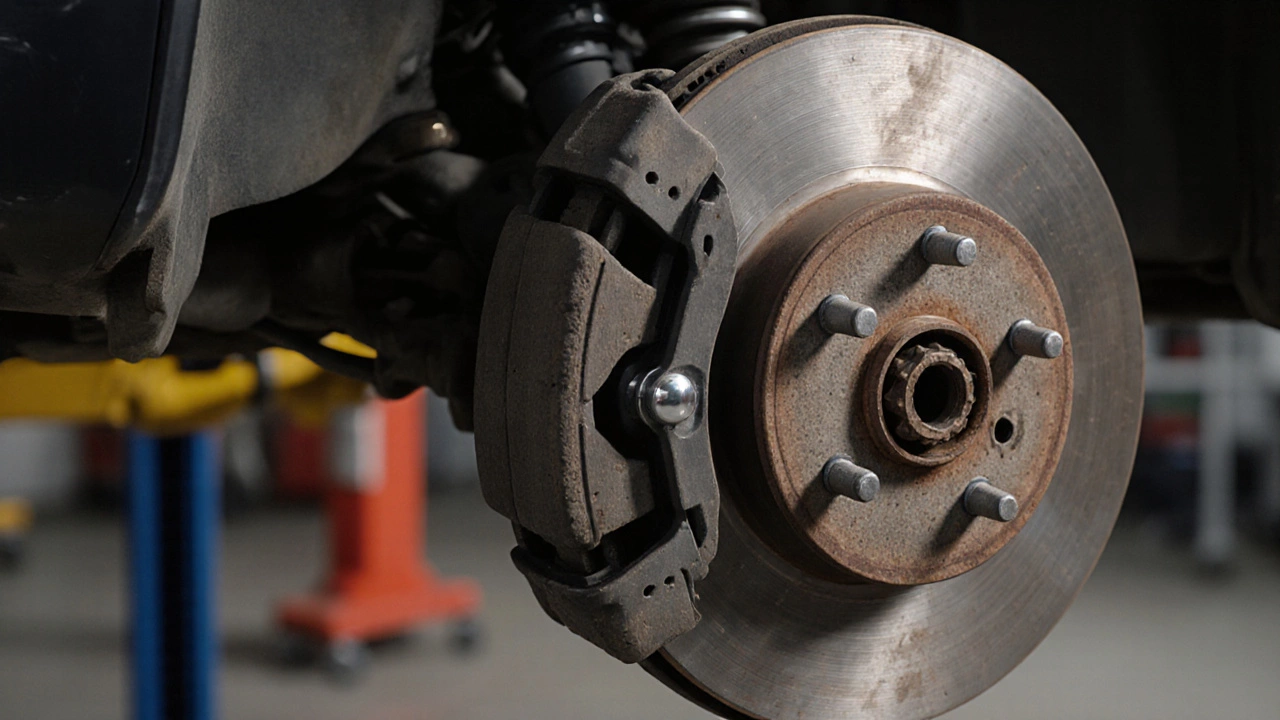
When diving into brake pad material comparison, a look at the different friction compounds used in vehicle braking systems. Also known as brake pad types, it helps you decide which pads match your driving style, vehicle weight, and climate. Brake rotors, the rotating discs that work hand‑in‑hand with pads and brake calipers, the pistons that squeeze the pads onto the rotors are directly affected by the material you pick. Understanding friction coefficients, heat tolerance, and wear rates lets you avoid squeal, dust, or premature rotor warping. In short, a solid brake pad material comparison enables safer stops and longer‑lasting components.
Key Materials and Their Trade‑offs
Organic (or non‑metallic) pads are made from fibers, resins and fillers. They’re light, quiet and cheap, but they wear faster and can fade when the temperature spikes. Metallic (or semi‑metallic) pads blend steel wool, copper and other alloys; they handle heat well, offer strong bite, and last longer, yet they tend to be noisier and produce more dust that can corrode rotors. Ceramic pads use ceramic fibers, bonding agents and small amounts of metal. They stay cool, generate the least dust, and keep a consistent friction level, but the price tag is higher and they may not be ideal for very heavy‑duty trucks.
These three options create a clear semantic chain: brake pad material comparison encompasses organic, metallic, and ceramic categories; each category influences brake rotor longevity and overall brake system performance. For example, if you choose metallic pads, you’ll likely need to inspect rotors more often for scuffing because the higher friction can accelerate rotor wear. Conversely, ceramic pads can extend rotor life but may cost more up front.
Beyond the three main families, there are specialty blends—like low‑dust sintered compounds for performance cars or high‑temperature formulations for towing rigs. These niche options illustrate that friction coefficient, the measure of how much grip a pad provides is not a one‑size‑fits‑all value; it varies with material, temperature, and pressure. Picking the right pad means matching the friction coefficient to your typical driving conditions.
Our post collection below covers the broader world of automotive maintenance, so you’ll also find practical guides on clutch kit replacement, radiator health, oil change pitfalls, and spark plug diagnostics. Whether you’re swapping pads or troubleshooting a misfire, the same principle applies: know your parts, understand how they interact, and keep an eye on wear signs. The articles ahead give you the tools to make informed choices, spot early warnings, and save money on future repairs.
Ready to dig deeper? Below you’ll discover detailed breakdowns of clutch kits, radiator risks, oil change impacts, and more—all written to help you maintain every link in your vehicle’s chain of performance.
Brake Pad Replacement: How Often Should You Change Them?
Oct 9 2025 / Brake PadsFind out how often brake pads should be changed, signs of wear, lifespan factors, material comparisons, and maintenance tips for UK drivers.
VIEW MORE