Brake Pad Wear Indicators – How to Spot Worn Brakes Before They Fail
When dealing with Brake Pad Wear Indicators, small notches or sensors built into the brake pad that make a squealing sound or show a visual cue once the pad material is low. Also known as pad wear tabs, they give you a heads‑up before the pads wear down completely, saving you from costly rotor damage.
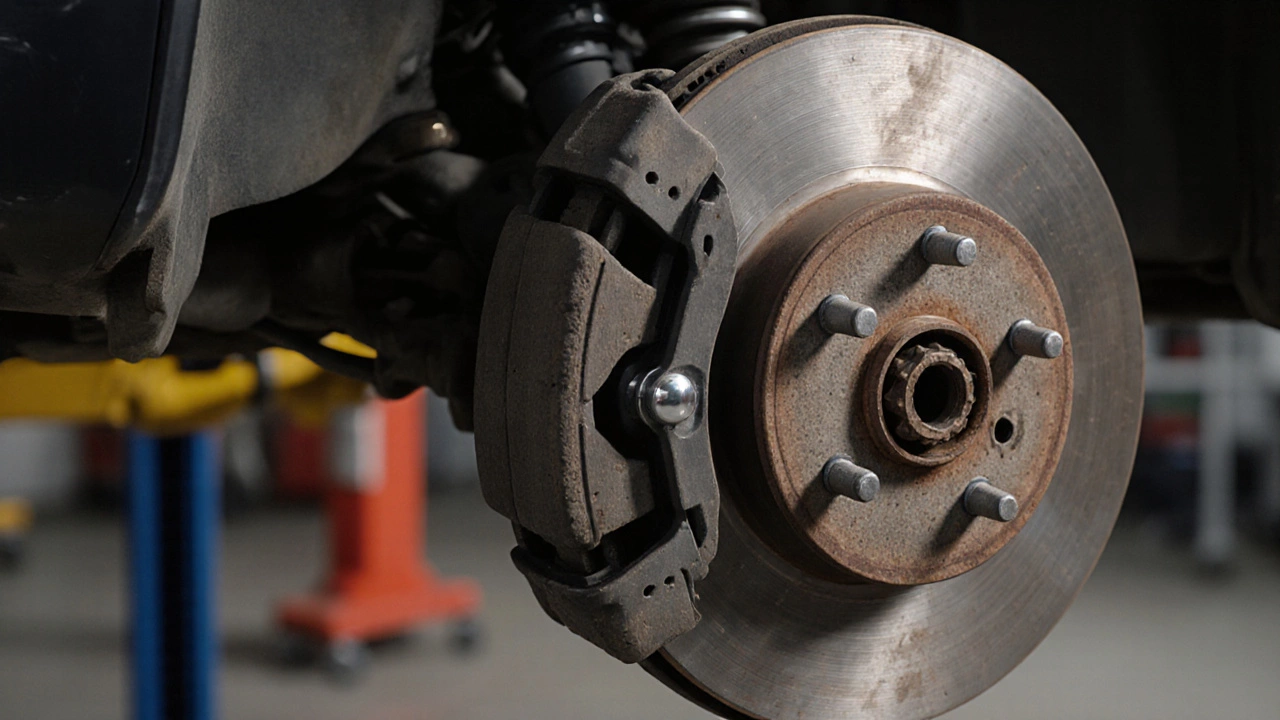
Understanding Brake Pads, the friction material that presses against the rotor to slow your wheels is the next step. The pads work hand‑in‑hand with Brake Rotors, the metal discs that convert pedal pressure into stopping power. When the pad material wears, the indicator trips, and the rotor starts to see metal‑on‑metal contact – a situation you definitely want to avoid. Similarly, Brake Fluid, the hydraulic fluid that transfers force from the pedal to the brake calipers must stay clean and at the right level, because any air or contamination can mask the true condition of the wear indicators.
Why the Indicators Matter for Your Whole Braking System
The braking system is a team effort. Brake Pad Wear Indicators act as the early warning system for the whole crew – pads, rotors, calipers, and fluid. If you hear that high‑pitched squeal, it’s not just a nuisance; it’s a clear signal that the pads have reached the minimum thickness set by the manufacturer. Ignoring it can lead to rotor scoring, which in turn forces you to replace both rotors and pads, inflating repair bills.
Most modern cars use a simple mechanical tab that contacts the rotor and creates a squeal, while some higher‑end models have electronic sensors that flash a dashboard warning. Both types rely on the same principle: they only activate when the pad thickness drops below a safe threshold, usually around 3 mm. That threshold is chosen because below it, the pad’s ability to dissipate heat drops dramatically, increasing the risk of brake fade.
Keeping an eye on these indicators ties directly into regular maintenance habits. Checking brake fluid level every oil change, inspecting pad thickness with a feeler gauge, and feeling for any pulsation in the pedal are quick tasks that keep the whole system in sync. When you pair indicator alerts with a visual check of the pads and rotors, you get a complete picture of brake health without guessing.
Our collection of articles below dives deeper into each piece of the puzzle. You'll find guides on spotting worn rotors, understanding brake fluid types, and DIY tips for inspecting pads without a garage lift. Whether you're a seasoned DIYer or just starting to learn basic car care, the posts give you practical steps to keep your brakes reliable and your wallet happy.
Ready to see how the rest of the braking world fits together? Browse the posts below for hands‑on advice, from checking brake fluid before a long trip to spotting the faint squeal that means it’s time for a pad swap.
Brake Pad Replacement: How Often Should You Change Them?
Oct 9 2025 / Brake PadsFind out how often brake pads should be changed, signs of wear, lifespan factors, material comparisons, and maintenance tips for UK drivers.
VIEW MORE