Car Handling Issues: What They Are and How to Fix Them
When dealing with car handling issues, any problem that affects steering, stability, or overall ride quality. Also known as handling problems, they can stem from many parts of the vehicle and often show up as vague sensations rather than obvious failures.
One of the first culprits is suspension, the system of springs, shocks and linkages that keep wheels in contact with the road. A worn suspension can cause clunking noises, uneven tire wear and a mushy feel, which directly ties into car handling issues. Another common source is brake pads, friction material that presses against rotors to slow the car. When pads thin out, braking distance lengthens and the vehicle may pull to one side, hurting stability. Clutch, the component that connects engine power to the transmission also plays a role; a slipping clutch reduces acceleration response and can make gear shifts feel jerky, which riders often mistake for handling problems. Finally, spark plugs, ignite the air‑fuel mixture in each cylinder are vital for smooth power delivery; fouled plugs cause misfires, loss of power and a wobbly feel at higher speeds.
How These Parts Interact
Car handling issues encompass suspension problems, brake wear, clutch symptoms, and spark plug health. Addressing suspension problems requires checking shock absorbers, struts and bushings for leaks or wear. Brake wear influences overall vehicle stability, so regular pad thickness checks and rotor inspections are a must. Clutch replacement can improve acceleration response and eliminate shuddering during gear changes. Spark plug diagnosis is key for smooth engine performance; a bad plug often shows up as rough idle or reduced power, both of which can feel like handling trouble. By understanding these relationships you can pinpoint the root cause faster and avoid unnecessary part replacements.
In practice, start with the easiest checks: look at tire wear patterns, listen for any clunking when you go over bumps, and feel for pull when braking. If the ride feels soft, your suspension is likely the first suspect. Next, inspect brake pads for wear indicators and feel for any vibration when you apply the brakes. A slipping clutch usually reveals itself during quick accelerations or hill starts, while a misfiring engine will cause a noticeable hiccup at certain RPMs. These quick diagnostics let you narrow down the issue before diving into detailed repairs.
The articles below dive deeper into each of these areas, offering step‑by‑step guides, warning signs, and cost‑effective solutions. Whether you’re a DIY enthusiast or just want to know what the garage is talking about, you’ll find practical advice to keep your car handling smooth and safe.
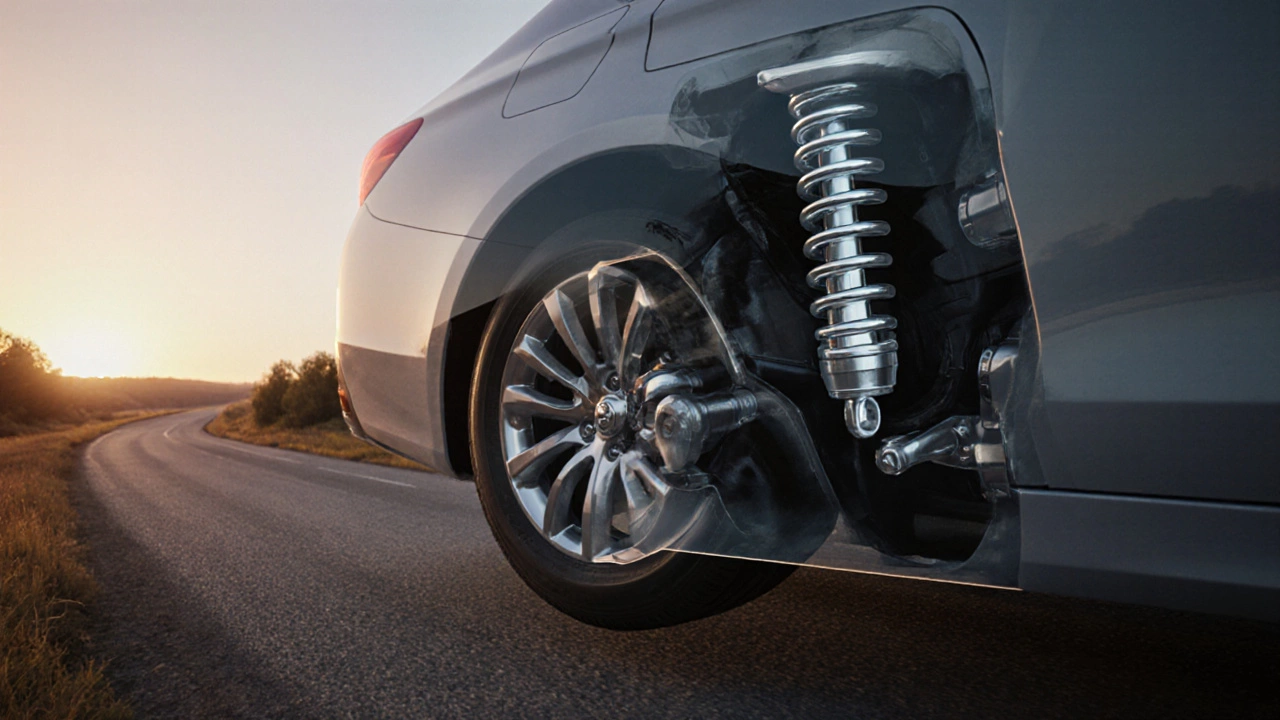
How to Recognize a Bad Car Suspension - Symptoms & Feel
Oct 19 2025 / Suspension PartsLearn how to identify a bad car suspension, understand the symptoms, test it at home, and know which parts need fixing to keep your ride safe and comfortable.
VIEW MORE