Damaged Suspension Sound: Causes, Diagnosis & Fixes
When dealing with damaged suspension sound, a rattling, clunking or squeaking noise that comes from the vehicle’s under‑car area while driving. Also known as suspension noise, it usually points to worn components that should be inspected before the problem escalates. Shock absorber, the damper that controls spring oscillation often produces a thudding thump when it’s failing, while a strut, a structural element that combines a shock absorber with a coil spring can create a sharp clunk during bumps. Wheel alignment, the adjustment of the steering angles to ensure even tire wear also influences noise levels because misaligned wheels force the suspension to work harder. In short, a damaged suspension sound encompasses faulty shock absorbers, bad struts, and often poor wheel alignment. Recognizing these links helps you pinpoint the root cause quickly.
Common Noisy Suspension Signs
Beyond the obvious clunk, you might hear a high‑pitched squeal when turning or a rattling when going over speed bumps. These clues usually come from suspension components, parts like bushings, ball joints, springs and control arms that have lost lubrication or are cracked. A worn bushing will let metal rub against metal, creating a constant squeak, while a broken spring can let the chassis bounce, amplifying every road imperfection. When you feel excessive body roll in corners, that’s a sign the springs or anti‑roll bars aren’t doing their job, often leading to extra stress on shock absorbers and struts. The relationship is clear: damaged suspension sound indicates component wear, and component wear influences ride comfort and safety. Checking tire wear patterns can reveal if the noise stems from alignment issues; uneven wear often means the wheels are out of spec, forcing the suspension to compensate and generate extra noise.
Fixing a noisy ride usually starts with a visual inspection: look for leaking fluid from shock absorbers, cracked springs, or loose bolts on struts. If the sound persists, a professional can perform a bounce test, measure alignment angles, and check for play in the control arms. Replacing worn shock absorbers or struts restores damping, while new bushings eliminate squeaks. After repairs, a proper wheel alignment ensures the suspension works evenly, preventing future noise. In the collection below you’ll find step‑by‑step guides on clutch kits, brake pads, radiators, oil changes and more – all aimed at keeping your vehicle’s mechanical systems, including the suspension, running smoothly.
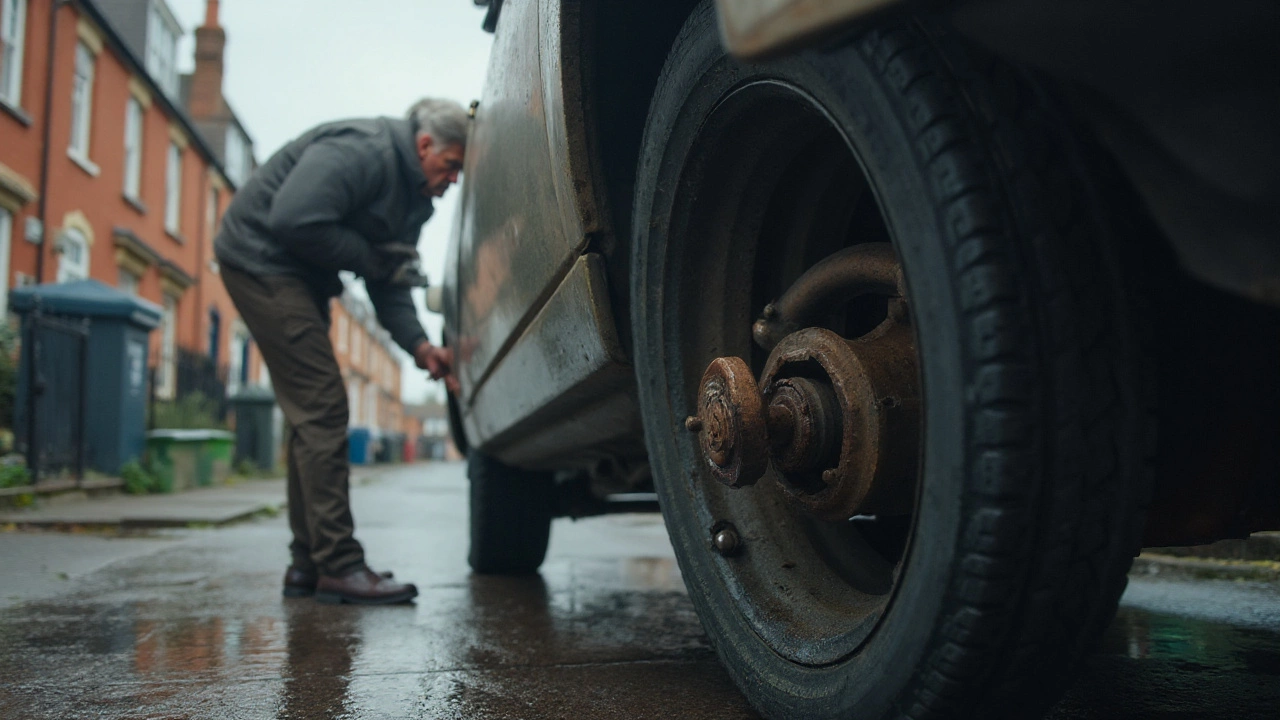
Car Suspension Noise: What a Damaged Suspension Really Sounds Like
Aug 4 2025 / Suspension PartsDiscover the sounds of a damaged suspension, what they mean, and how to spot them before bigger problems hit. Stay safe with these expert car tips.
VIEW MORE