Double Wishbone Suspension: Design, Benefits, and Real‑World Use
When talking about Double Wishbone, an independent suspension design that uses two control arms per wheel to manage camber and toe angles. Also known as double wishbone suspension, it lets engineers fine‑tune wheel movement for better grip and stability. The layout includes an upper arm, a lower arm, and a knuckle that connects to the wheel hub. Because each arm forms a “wishbone” shape, the system can keep the tire flat on the road during cornering, braking, and over bumps. That precise geometry is why many sports cars, rally monsters, and even some luxury sedans rely on this setup to deliver sharp, predictable handling.
How It Connects to the Rest of Your Car
The suspension, the collection of springs, dampers, and linkages that support the vehicle body is the bigger family that the double wishbone belongs to. Within that family, the double wishbone requires two arms, a strut or shock absorber, and often a coil spring or a coilover, a combined spring and damper unit that lets you adjust ride height and stiffness. This combination gives engineers the freedom to dial in the exact ride quality a driver wants. When the geometry is set right, the car’s vehicle handling, how the car reacts to steering inputs, acceleration, and braking improves dramatically – you’ll feel less body roll, more grip in fast corners, and a smoother ride over uneven surfaces. In short, double wishbone encompasses independent wheel control, requires precise arm lengths and mounting points, and influences vehicle handling in a positive way.
If you’re thinking about upgrading or simply want to keep your current setup healthy, there are a few practical steps to follow. Start by checking the bushings on the upper and lower arms for cracks or wear; worn bushings can let the geometry drift and bring back the noisy suspension cues you might have heard. Next, inspect the ball joints for any looseness – a bad ball joint often shows up as a clunk when you hit a bump. Finally, look at the coilover’s adjustment knobs; if they’re stuck or leaking, the ride can become harsh or too soft. The articles below dive deeper into spotting bad suspension sounds, testing for worn components, and deciding when a full double wishbone overhaul is worth the investment. Keep reading to get the specifics you need to maintain that confident, responsive feel on every drive.
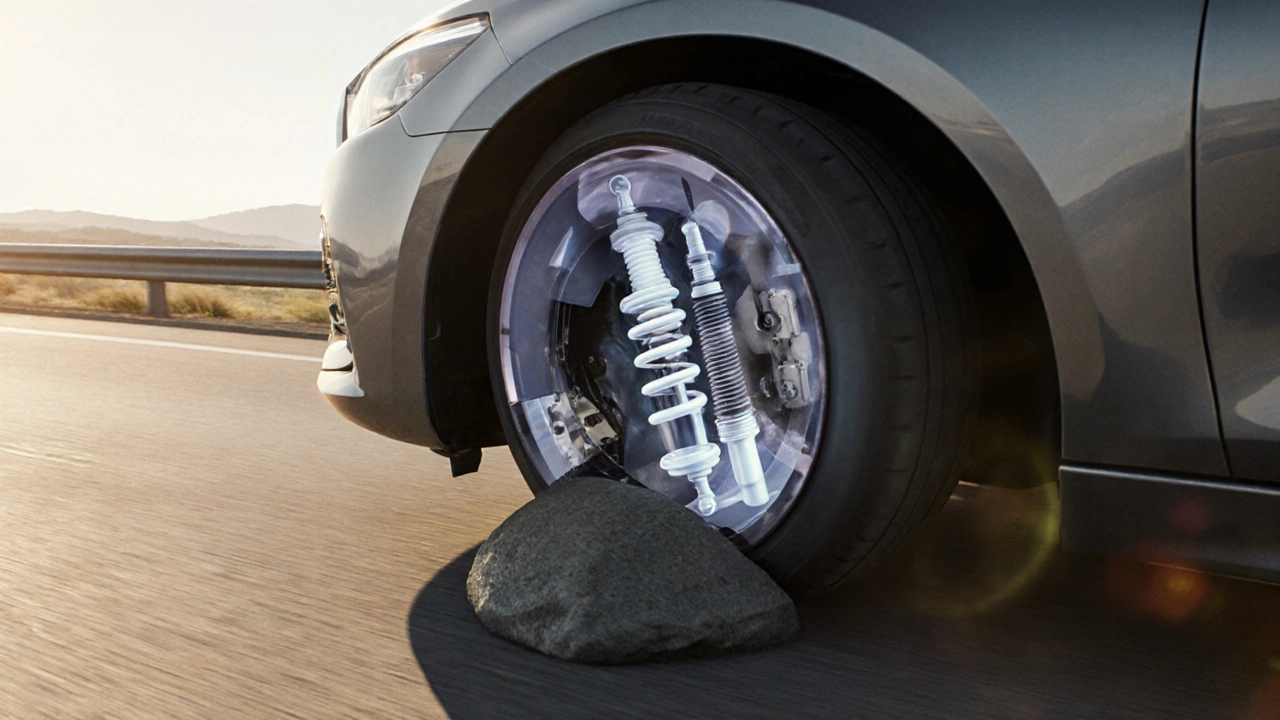
Four Main Types of Vehicle Suspension Explained
Oct 20 2025 / Suspension PartsLearn the four main vehicle suspension types-solid axle, MacPherson strut, double wishbone, and multi‑link-plus pros, cons, and how to pick the right one.
VIEW MORE