Engine Won’t Turn Over – Quick Diagnosis and Fixes
When dealing with Engine Won’t Turn Over, the condition where the engine fails to crank or start when you turn the ignition. Also known as engine won’t start, it usually points to an issue in the power‑train start circuit. A weak batterystores the electrical energy needed for cranking or a dead starter motorconverts electrical energy into mechanical rotation are the most common culprits. But you’ll also run into problems with the spark plugcreates the ignition spark that ignites the air‑fuel mix and the fuel pumpdelivers pressurised fuel to the engine. In short, engine won’t turn over encompasses electrical, mechanical and fuel‑delivery failures. It requires a healthy battery voltage, a functional starter, and a spark that fires at the right time. Faulty spark plugs influence ignition timing, while a weak fuel pump can starve the engine, both preventing the engine from cranking. Understanding these links helps you pinpoint the right test before you pull a wrench.
Common Reasons Your Engine Won’t Turn Over
Start with the battery. A volt‑meter reading below 12.4 V when the engine is off usually means you need a charge or replacement. Next, listen for the starter’s click. A rapid, single click often signals a dead starter solenoid; a slow, whining sound can mean the starter gear is jammed. If the engine cranks but won’t fire, inspect the spark plugs: fouled plugs or cracked insulation kill the spark. While you’re at it, check the ignition coil and wires – a weak coil will produce a low‑energy spark that won’t ignite the mixture. Fuel delivery is the other side of the equation. Verify pressure at the rail; a drop‑off points to a failing fuel pump or a clogged filter. In manual cars, a disengaged clutch can also stop the engine from turning over because the clutch disc stays pressed against the flywheel, stopping rotation. Finally, confirm that the immobiliser or key fob isn’t blocking the start signal; a simple re‑sync can solve what looks like a mechanical failure.
Below you’ll find a hand‑picked set of articles that dive deeper into each of these areas. We’ve covered clutch‑kit wear, spark plug replacement timing, fuel‑pump diagnostics, battery‑care tips, and starter‑motor troubleshooting. Whether you’re a DIYer ready to test voltage yourself or you need guidance on when to call a professional, the collection gives you clear steps, cost estimates and warning signs to watch for. Armed with this background, you can move straight to the right fix and avoid costly guesswork. Take a look at the posts ahead and start ruling out the problem one component at a time.
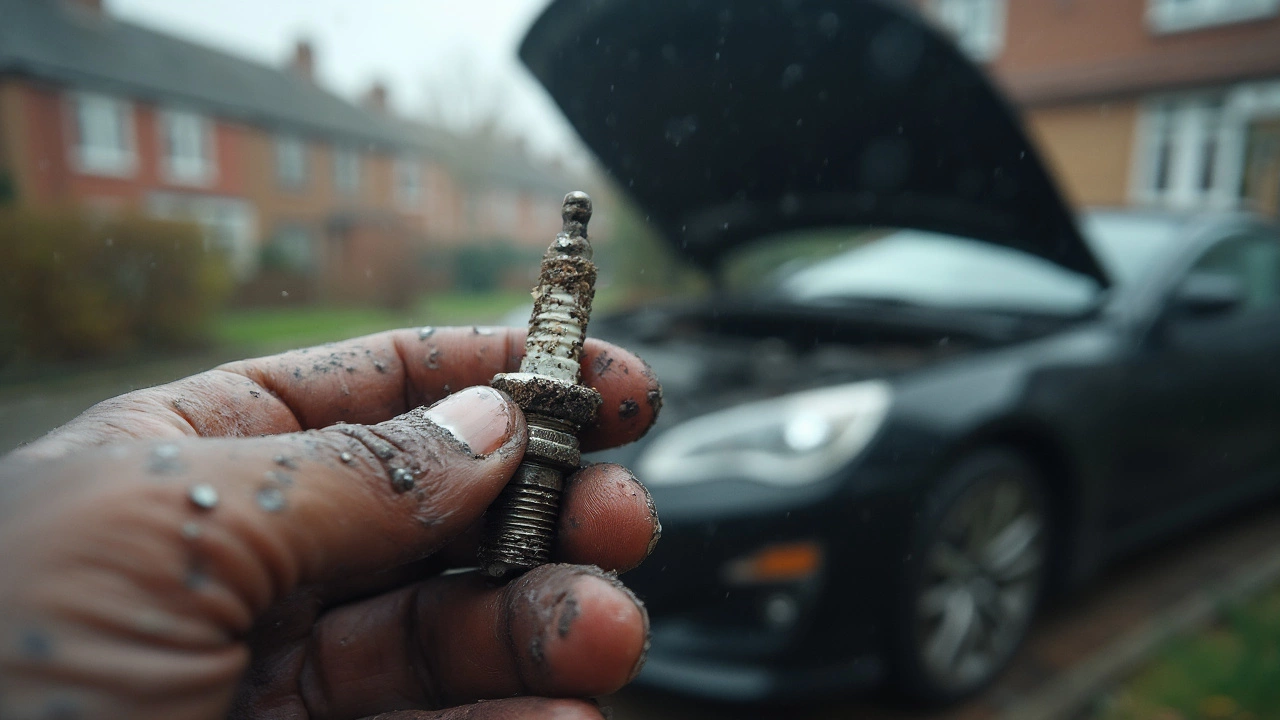
Can Bad Spark Plugs Stop Your Car from Starting? How This Tiny Part Can Leave You Stranded
Jun 23 2025 / AutomotiveEver had your car refuse to start for no obvious reason? Bad spark plugs might be the silent culprit. This article explores how something so small can completely stop your engine, what happens when spark plugs fail, and easy ways to spot trouble before you’re stranded. You’ll get simple tips, practical advice, and some intriguing facts to keep your car running smooth.
VIEW MORE