Mechanics – Your Road‑Ready Handbook
When working with mechanics, the practice of diagnosing, repairing, and maintaining vehicle systems. Also known as automotive mechanics, it blends hands‑on skill with a solid grasp of how each part functions together.
One of the biggest areas mechanics tackle is suspension, the collection of springs, shocks, and linkages that keep your wheels glued to the road. Also called vehicle suspension system, it influences ride comfort, handling, and tire wear. The most common types – MacPherson strut, double wishbone, multi‑link and air – each have pros and cons, so a mechanic must match the design to the car’s intended use. Knowing the right inspection points – sag, leak, uneven wear – lets you spot problems before they turn into costly repairs.
Another core focus is the brake system, the network of pads, rotors, calipers and fluid that slow and stop the vehicle. Often referred to as braking system, it directly impacts safety. A mechanic checks pad thickness, rotor surface, and fluid condition to gauge health. Worn pads produce squeal, pulsing feels indicate warped rotors, and spongy pedal travel points to fluid issues. Understanding how each component works together helps you maintain consistent stopping power and avoid dangerous fade.
When the clutch starts to slip or chatter, a mechanic turns attention to the clutch, the assembly that connects the engine to the transmission for power transfer. Also known as clutch kit, it includes a disc, pressure plate, release bearing and sometimes a flywheel. Key wear signs are a high biting point, difficulty shifting, or a burning smell. By checking flywheel condition, bearing play and hydraulic line pressure, a mechanic can decide whether a simple adjustment or a full kit replacement is needed.
The ignition side of the engine falls under the spark plug, the component that creates the spark to ignite the air‑fuel mixture in each cylinder. Known also as ignition plug, it’s a tiny but vital part. A mechanic looks for fouling, electrode wear, and correct gap. Bad plugs cause misfires, lower fuel economy and can even damage the catalytic converter. Routine inspection and timely replacement keep the engine running smooth and efficient.
Key Areas Covered
Mechanics encompasses these core systems, and each one influences the others. For example, a worn suspension can affect brake balance, while a slipping clutch may hide underlying engine timing issues caused by bad spark plugs. Understanding that the brake system influences vehicle safety and that proper clutch operation requires good engine health creates a web of cause and effect that every mechanic navigates daily. This interconnected view helps you spot patterns early and make smarter maintenance choices.
Below you’ll find a hand‑picked collection of articles that break down each topic in plain language. Whether you’re checking your own car, helping a friend, or just curious about how these parts work together, the posts give you step‑by‑step advice, common symptom checklists, and cost‑effective fixes. Dive in to get the practical insights you need to keep your ride running smoothly.
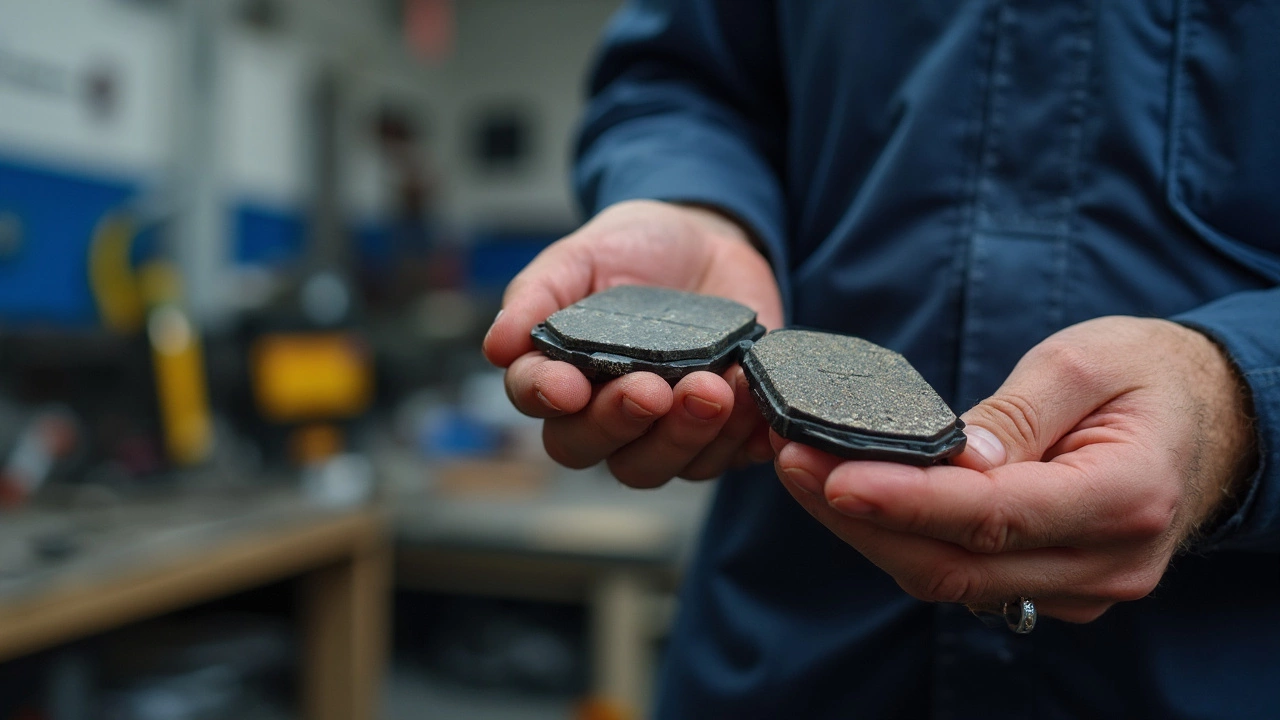
Brake Pad Replacement Cost: What Should You Really Expect?
May 8 2025 / Brake PadsWondering how much it actually costs to swap out just the brake pads? This article breaks down what you pay for, what might affect the price, and tips on saving money. You'll learn about parts, labor, and why prices can vary so much. Perfect if you're trying to budget for your next brake service or decide between DIY and a shop. No jargon—just straightforward answers and real-life advice.
VIEW MORE