Oil Degradation – What It Is and How to Fight It
When dealing with oil degradation, the loss of an engine oil's lubricating and protective abilities due to heat, oxidation, and contaminants. Also known as oil breakdown, it can shrink engine life and raise fuel costs. Engine oil the fluid that carries heat away from moving parts and reduces friction works hand‑in‑hand with the oil filter a device that catches particles, metal shavings, and sludge before they circulate. Together they belong to the lubrication system the network of passages, pumps, and seals that circulate oil throughout the engine. Understanding these pieces helps you spot the early signs of trouble before costly repairs hit.
Key Factors That Accelerate Oil Degradation
Heat is the biggest enemy – the hotter the oil, the faster it oxidises. Short trips that never let the engine reach full operating temperature keep oil in a “warm‑but‑not‑hot” state, which encourages sludge. Contamination is another driver; dust, fuel residues, and coolant leaks all mix into the oil, turning it gummy. Overfilling, as covered in our "Too Much Oil in Your Car" guide, squeezes oil against seals, creates excess pressure, and speeds up foaming, while under‑filling lets metal run bare. Both extremes break down the oil’s film, leading to the same end result: oil degradation.
Age matters too. Even the best synthetic blends lose additive effectiveness after a set mileage or time. That’s why a regular oil‑change schedule, usually every 8‑12 000 km for modern cars, is essential. Skipping a change lets the oil sit longer, soaking up more heat and contaminants. In marine applications, salty air and water add corrosion risk, so checking oil condition becomes even more critical.
Engine design influences how quickly oil breaks down. High‑performance engines run hotter and at higher revs, meaning the oil works harder. If the oil pump or pressure sensor fails – a scenario we discuss in our "Running Without Oil" article – oil pressure drops, and parts get less protection, hastening wear and oil loss. Monitoring oil pressure and level regularly gives you a clear picture of the lubrication system’s health.
One practical way to gauge oil health is a simple visual check: fresh oil is amber and clear, while dark, gritty oil signals oxidation and particle buildup. Some drivers use a dipstick test strip to measure viscosity and contamination. If you see metal flecks or a milky appearance, it could indicate coolant mixing – a serious issue that demands immediate attention.
Now that you know what drives oil degradation, you can act: keep the oil level within the recommended range, stick to the change intervals, use the right oil grade for your engine, and replace the oil filter every service. Our collection below dives deeper into related topics – from fixing over‑filled oil to understanding the risks of running an engine without lubrication. Explore the articles to arm yourself with the knowledge you need to keep your engine humming smoothly.
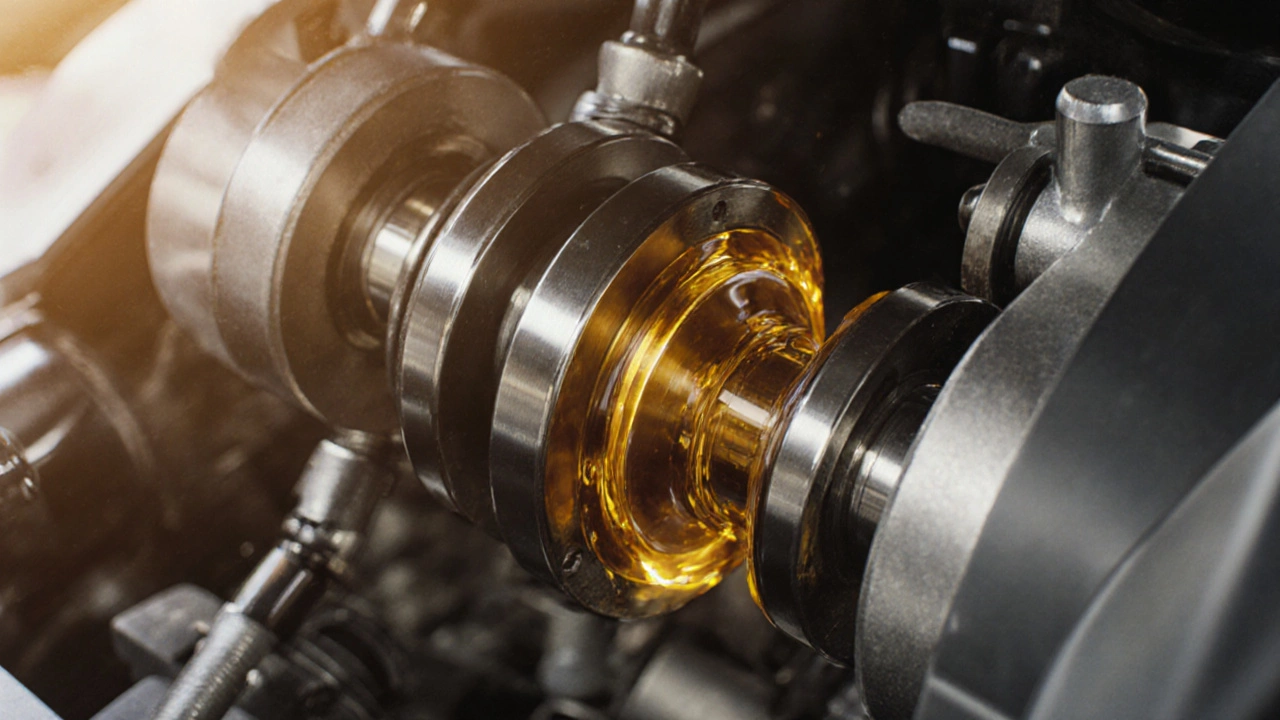
Skipping Engine Oil Changes: Risks, Damage & Costs Explained
Oct 8 2025 / Engine OilSkipping oil changes can cause sludge, bearing wear, overheating, and costly repairs. Learn the short‑term signs, long‑term damage and how to prevent them.
VIEW MORE