Oil Level Check – Quick Guide for Every Driver
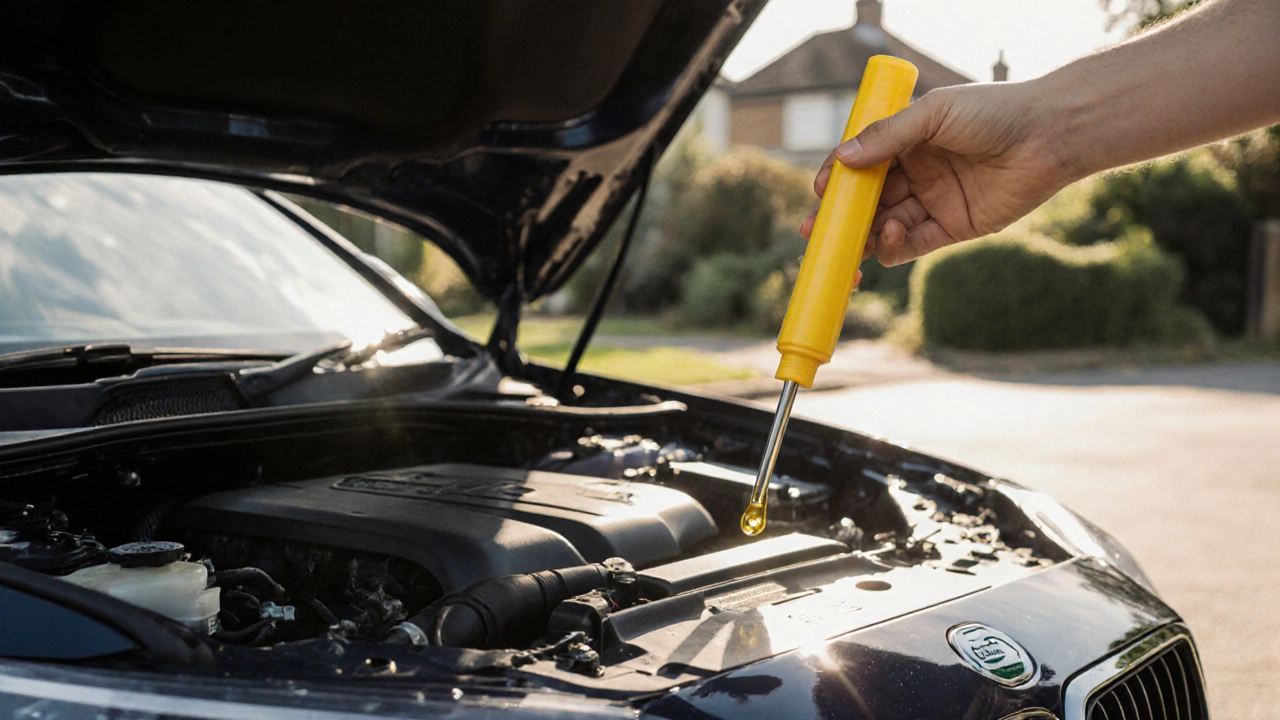
When working with oil level check, the process of confirming how much engine oil is inside the crankcase. Also known as oil dipstick reading, it helps prevent low‑oil wear and over‑filling problems. The check relies on engine oil, the lubricating fluid that cools and protects moving parts and the dipstick, a metal rod marked with volume indicators that you pull out to read the level. Modern cars also use an oil pressure sensor, a device that alerts you when oil pressure drops, which indirectly tells you if the oil amount is sufficient.
Steps to Perform an Accurate Oil Level Check
1. Park on level ground and turn the engine off for a few minutes so the oil settles.
2. Pull the dipstick out, wipe it clean, then re‑insert fully.
3. Pull it out again and compare the oil film to the "Low" and "Full" marks.
4. If the level is low, add the recommended oil grade in small amounts, re‑checking each time.
5. Listen for the oil pressure warning light; if it stays on after topping up, get the sensor checked.
Understanding related parts makes the whole process easier. The oil filter catches contaminants, so a fresh filter during your next oil change keeps the oil clean and the level stable. Viscosity grades (e.g., 5W‑30) affect how quickly the oil circulates, which in turn influences the pressure reading you see on the dashboard.
Below you’ll find practical articles that walk you through common pitfalls—like over‑filling, using the wrong oil grade, and spotting low‑oil warnings—so you can keep your engine protected and running smoothly.
Engine Oil Top‑Up Frequency: When and How Often
Oct 16 2025 / Engine OilLearn how often to top up engine oil, factors that affect consumption, step‑by‑step topping up, and a maintenance checklist to keep your car healthy.
VIEW MORE