Ride Quality – The Key to Comfortable Driving
When working with Ride Quality, the overall feel and comfort you experience while a vehicle is moving. Also known as driving comfort, it depends on how well the car’s parts work together. Ride Quality is more than a vague feeling; it’s a measurable mix of vibration levels, road noise, and how the car reacts to bumps. Understanding the pieces that create that mix lets you target the right fixes instead of guessing.
Key Components That Influence Ride Quality
A well‑tuned Suspension, connects the wheels to the chassis and absorbs road irregularities is the backbone of good ride quality. When the springs, dampers, and linkages work in harmony, they keep the cabin steady and prevent harsh vibrations from reaching the driver. But the suspension doesn’t act alone. Your Brake System, provides stopping power and influences vehicle stability at low speeds can introduce unwanted chatter if the rotors are warped or the pads are unevenly worn. A noisy or pulsing brake pedal often translates into a shudder that fans out through the seat, hurting the overall comfort. The Clutch, engages and disengages engine power during gear changes also plays a subtle yet important role. A slipping clutch causes jerky acceleration, especially in city traffic, and those jerks are felt as a rough ride. When the clutch disc, pressure plate, or release bearing wear out, the driver may notice a loss of smoothness during starts and stops, directly affecting ride quality. Finally, Tires, are the only contact points with the road and dictate how vibrations are transmitted to the rest of the vehicle. Incorrect pressure, uneven tread wear, or the wrong rubber compound can amplify road imperfections, making even a perfect suspension feel inadequate. These elements don’t exist in isolation. Ride Quality encompasses Suspension performance, and Ride Quality is affected by Brake System behavior. Clutch operation influences Ride Quality during gear changes, while Tires condition impacts Ride Quality directly. Putting it together, Ride Quality requires proper maintenance of these components. That’s why a holistic approach works best: inspect your suspension bushings, check brake rotor run‑out, monitor clutch wear indicators, and keep tires at the recommended pressure. Doing so not only smooths out the ride but also extends the life of each part. Below you’ll find practical guides covering each of these areas—from clutch wear signs to brake pad maintenance and tire care—so you can fine‑tune the factors that matter most and enjoy a smoother, more comfortable drive.
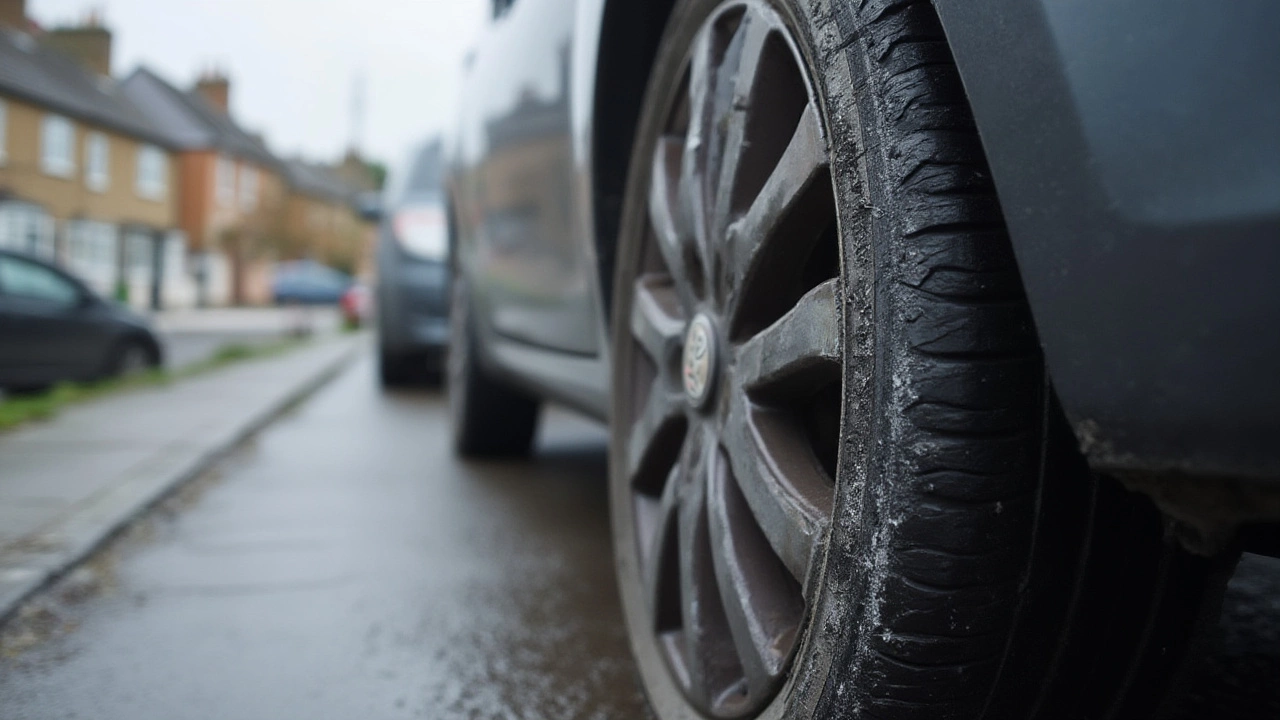
Alloy Wheels Disadvantages: Cost, Durability, Ride Quality & More Revealed
Jul 28 2025 / WheelsDiscover the drawbacks of alloy wheels, from strength issues and repair costs to practicality. Get real-life tips, facts, and what you should know before choosing them.
VIEW MORE