Shock Absorber Wear: What It Means and How to Spot It
When dealing with shock absorber wear, the gradual loss of damping ability in a vehicle’s shock absorbers that leads to a harsher ride and poorer handling. Also known as worn shocks, it often points to issues in the suspension system, the collection of springs, struts and linkages that keep the wheels glued to the road. A drop in ride quality, how smooth and stable the car feels while you drive is a common side‑effect. Understanding this connection helps you catch problems early before they cost more in repairs.
How Wear Shows Up and Why It Matters
shock absorber wear changes the way a car reacts to bumps, turns and braking. When the dampers can’t control spring motion, you’ll hear a clunk or squeak – that’s suspension noise, audible clues that a shock absorber or related component is failing. Those noises often get louder on bumpy roads, rough surfaces that stress the suspension and reveal any loss of damping. Besides comfort, worn shocks affect safety: they lengthen braking distances, reduce grip in corners, and can cause uneven tire wear. A quick visual check – looking for oil leaks on the shock body or excessive shaft play – combined with a bounce test can confirm the issue without a garage visit.
Below you’ll find articles that dive deeper into each of these aspects: from spotting bad suspension sounds to choosing the best suspension type for rough terrain, and even how worn shocks interact with brake performance. Use the guides to troubleshoot, decide whether a repair or replacement makes sense, and keep your ride smooth and safe.
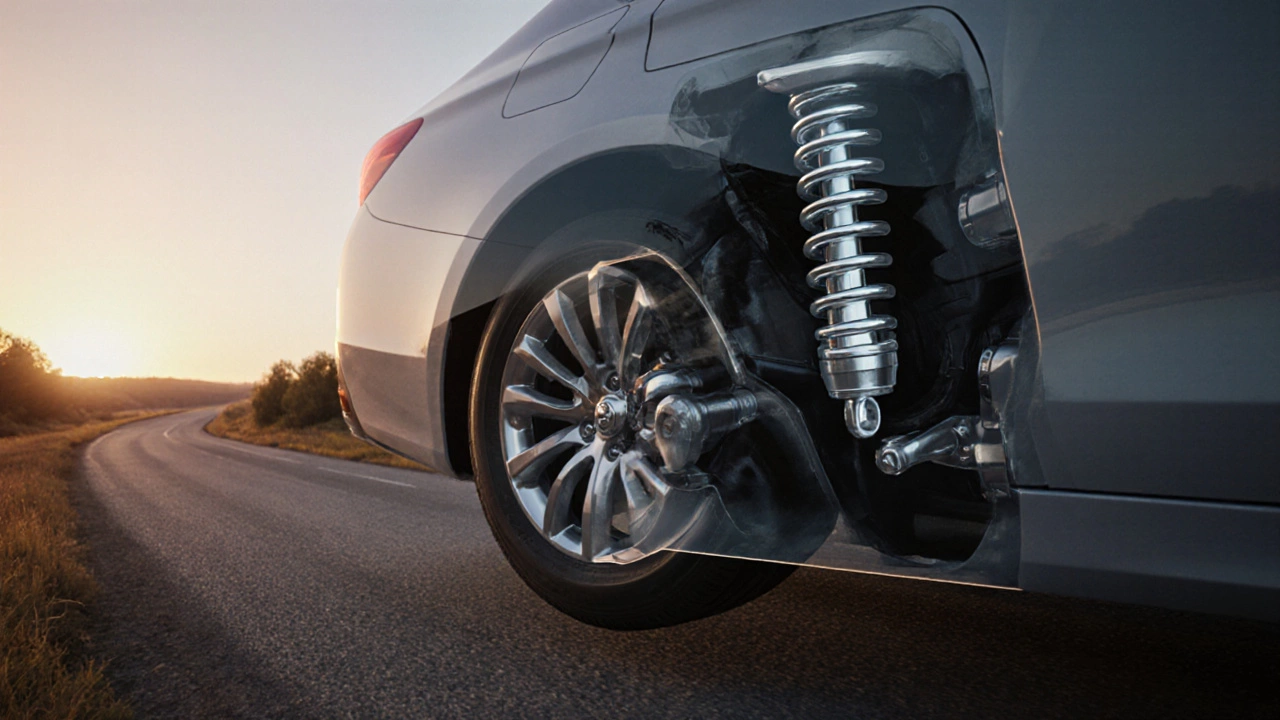
How to Recognize a Bad Car Suspension - Symptoms & Feel
Oct 19 2025 / Suspension PartsLearn how to identify a bad car suspension, understand the symptoms, test it at home, and know which parts need fixing to keep your ride safe and comfortable.
VIEW MORE