Solid Axle: Basics, Benefits, and How It Fits Your Vehicle
When working with solid axle, a rigid drivetrain component that connects both wheels on a single housing and moves as one unit live axle, you’re dealing with a design that trades flexibility for strength. A solid axle solid axle is the backbone of many trucks, SUVs, and off‑road rigs because it can handle high torque and heavy loads without the complexity of independent assemblies. In simple terms, the axle housing holds the wheel hubs together, and the whole block turns as one piece when power hits the wheels.
That single block works hand‑in‑hand with the suspension, the system that controls wheel motion and absorbs road bumps. The suspension’s springs or shock absorbers sit on the axle, letting the vehicle keep its wheels planted while smoothing out rough terrain. When the suspension is tuned for a solid axle, you often see leaf springs or coil springs that provide a sturdy yet forgiving ride. The relationship is clear: the suspension supports the axle, while the axle delivers power to the wheels.
Power distribution is handled by the differential, a gear set that splits engine torque between the left and right wheels. On a solid axle, the differential is usually mounted inside the axle housing, ensuring both wheels get the right amount of spin, especially when turning. This setup means the differential influences how the solid axle behaves in corners, giving a predictable, sturdy feel that drivers appreciate on steep hills or slippery surfaces.
Leaf springs are a classic companion for solid axles, acting as both suspension and axle locator. They consist of several steel plates stacked together, offering a simple, durable way to support heavy loads. Because leaf springs can carry weight and control axle movement at the same time, they’re a favorite for pickup trucks and off‑road vehicles that need to haul cargo or tackle uneven ground. The combination of leaf springs, a solid axle, and a robust differential creates a trio that’s built to last.
Maintenance of a solid axle focuses on a few key areas: checking axle bearings, inspecting the differential fluid, and examining the condition of the leaf springs or other mounting components. Worn bearings can cause grinding noises and eventually lead to axle failure, while low differential fluid can cause overheating and gear wear. Spotting cracks in leaf springs early prevents sudden breakage that could damage the axle housing. These checks are straightforward and can save you costly repairs down the line.
Compared with independent suspension systems, a solid axle offers simplicity, durability, and better weight distribution for heavy‑duty tasks. Independent setups excel at providing a smoother ride on paved roads, but they involve more moving parts and can be more expensive to service. If you prioritize load capacity, off‑road capability, and a rugged feel, the solid axle is often the smarter choice. Below you’ll find a collection of articles that dive deeper into related topics—everything from suspension troubleshooting to differential upgrades—so you can get the most out of your vehicle’s drivetrain.
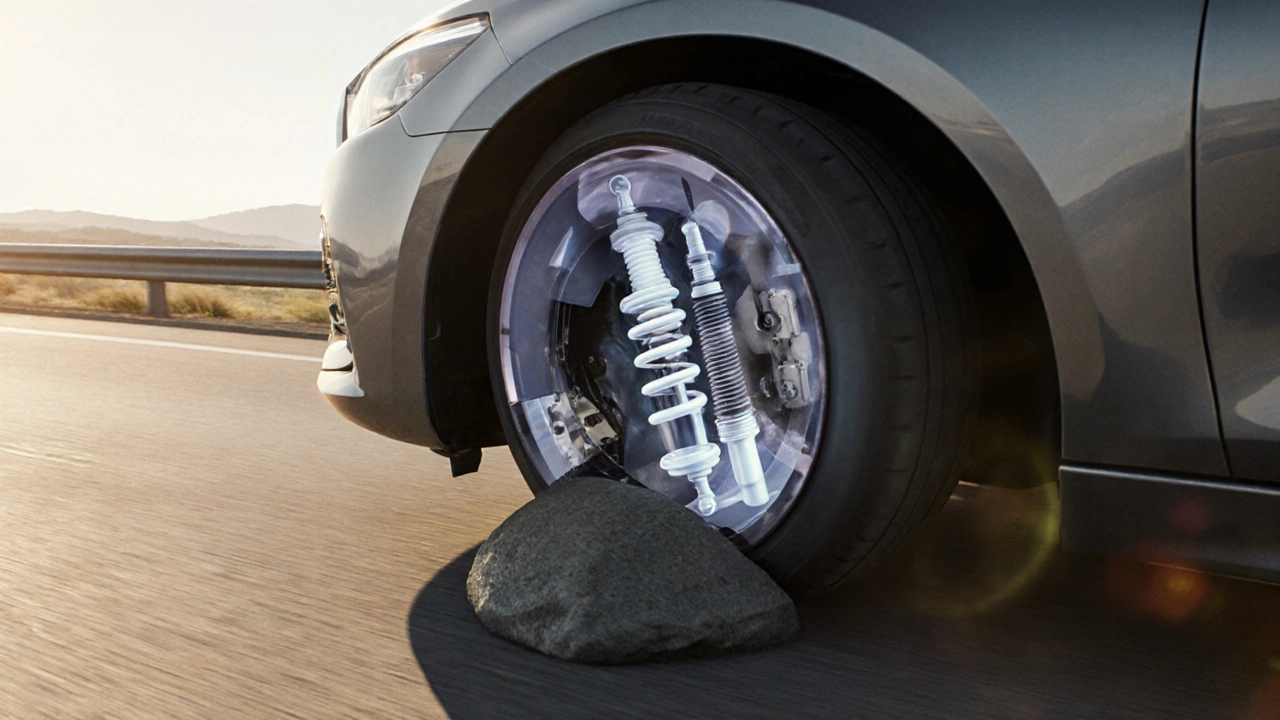
Four Main Types of Vehicle Suspension Explained
Oct 20 2025 / Suspension PartsLearn the four main vehicle suspension types-solid axle, MacPherson strut, double wishbone, and multi‑link-plus pros, cons, and how to pick the right one.
VIEW MORE