Suspension Feeling – Understanding Your Car’s Ride
When working with Suspension feeling, the sensation you get from how a vehicle reacts to bumps, turns and road texture. Also known as ride quality, it acts as an early warning system for worn or damaged components. A smooth, controlled feeling usually means the Vehicle suspension, the network of springs, shock absorbers and linkages that keep wheels in contact with the road is doing its job. Conversely, a harsh or loose feeling often points to issues like excessive Suspension noise, audible cues such as clunks, rattles or squeaks that signal worn bushings or broken mounts. When you hit a pothole and the car feels like it’s bouncing wildly, you’re experiencing the impact of an inadequate Bumpy road suspension, systems such as air‑springs or coil‑overs designed to absorb severe unevenness. In short, the feeling you get behind the wheel is a direct reflection of how well these interconnected parts work together.
What Drives a Good or Bad Suspension Feeling?
The first semantic triple is simple: Suspension feeling encompasses vehicle comfort, handling and safety. It requires the right blend of spring rates, damper stiffness and geometry – that’s the second triple: Vehicle suspension requires properly tuned shock absorbers and struts. A third connection shows cause and effect: Suspension noise influences the perceived quality of the ride. When you hear a metallic knock, it usually means a control arm bushing is worn, which lets the wheel move out of alignment and creates a loose feeling. If the car feels “floaty” after a night of heavy rain, the air‑suspension system may have lost pressure, turning a normally firm ride into a bouncy one. Understanding these relationships helps you pinpoint whether the sensation you’re feeling comes from a simple fix—like tightening a loose bolt—or from a deeper issue that calls for component replacement.
Below you’ll find a curated selection of articles that break down each of these elements in plain English. From the four main suspension types and how they affect your daily drive, to the exact sounds a bad suspension makes and the steps to fix them, these resources give you the practical knowledge to translate that feeling into a concrete maintenance plan. Dive in, and you’ll be able to turn a vague sense of unease into a clear checklist of inspections and upgrades.
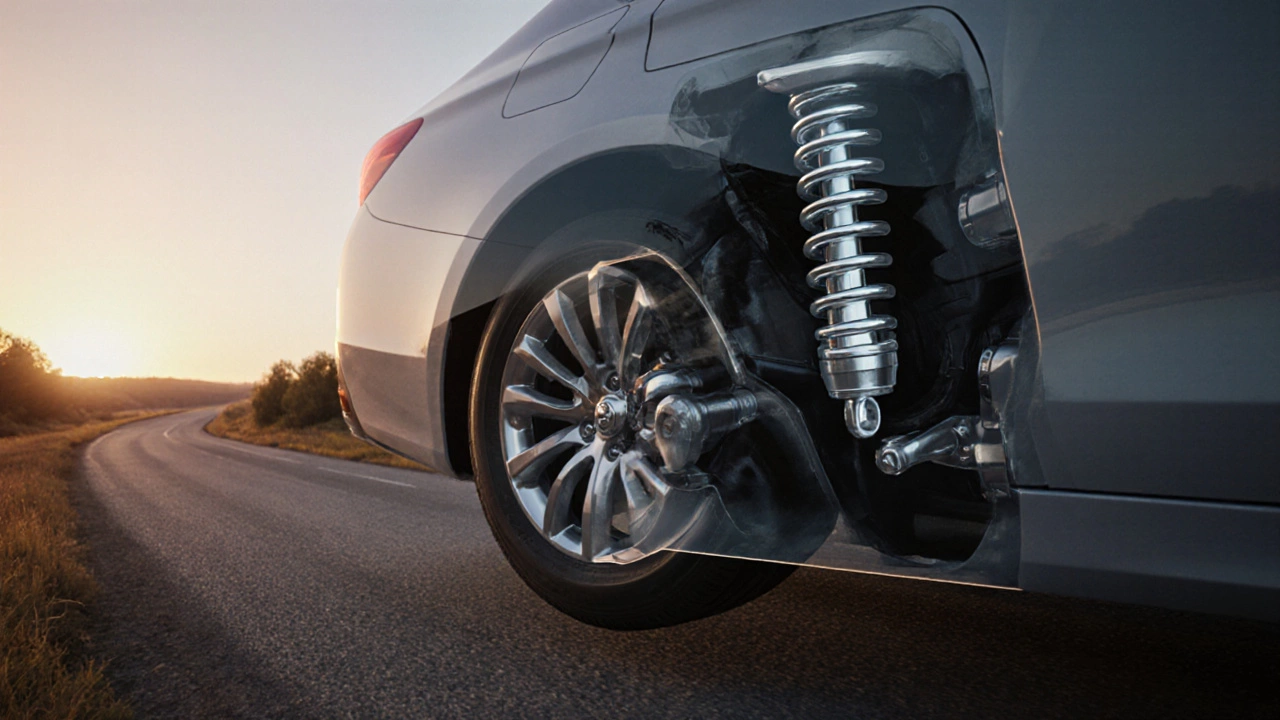
How to Recognize a Bad Car Suspension - Symptoms & Feel
Oct 19 2025 / Suspension PartsLearn how to identify a bad car suspension, understand the symptoms, test it at home, and know which parts need fixing to keep your ride safe and comfortable.
VIEW MORE