Vehicle Ride Comfort
When you think about vehicle ride comfort, the smoothness and stability you feel while driving, shaped by suspension, tires, and seating. Also known as ride quality, it determines how fatigue‑free a trip feels and how much control you keep over the road. Your vehicle’s suspension system, the network of springs, shock absorbers and linkages that manage wheel movement is the backbone of comfort; without a good system, every bump turns into a jolt. Tire pressure, the amount of air inside each tyre that affects contact patch and ride smoothness acts like a cushion‑adjustment dial – too low and you get a mushy feel, too high and the road’s harshness gets amplified. Seat ergonomics, the design and adjustability of the driver’s chair that supports posture and reduces fatigue play a silent but vital role; even a perfect chassis can feel rough if the seat forces you to slouch. Finally, wheel alignment, the angle settings of the wheels that keep the car tracking straight can sabotage comfort by causing uneven tire wear and pulling sensations. In short, ride comfort encompasses these four pillars, each influencing the other.
Key Factors that Shape Ride Comfort
Let’s break down the main attributes you can check right now. The suspension system’s **type** (solid axle, MacPherson strut, double wishbone, multi‑link) decides how quickly it reacts to bumps; for example, a multi‑link setup isolates road noise better than a rigid solid axle. **Shock absorbers** have a damping rate, usually measured in Ns/m; a higher rate means the car settles faster but can feel harsher on rough streets. **Spring stiffness** (measured in kg/mm) determines how much the wheel moves under load – softer springs give a plush feel, stiffer springs boost handling at the cost of comfort. When it comes to tire pressure, the **ideal range** often sits between 30‑35 psi for passenger cars, but the exact figure depends on load, speed rating, and tyre width; a quick gauge check before long trips can save you from a bumpy ride. Seat ergonomics boil down to **adjustability** (height, lumbar support, cushion tilt) and **cushion material** – memory foam or high‑density foam each offers a different feel, and a well‑positioned seat reduces the need for constant micro‑adjustments. Wheel alignment is measured in **toe, camber, and caster** angles; a toe‑in setting of 0.05° can improve straight‑line stability, while excessive camber leads to uneven tyre wear that makes the car pull to one side, adding stress to the suspension. All these attributes are linked: correct tyre pressure eases shock absorber load, proper alignment reduces uneven tyre wear, and a comfortable seat lets you focus on driving without battling fatigue.
Now that you know which parts matter, you can start spotting the signs of a comfort problem before it turns into a costly repair. Squeaky noises when you go over potholes usually point to worn shocks, while a constantly vibrating steering wheel hints at mis‑aligned wheels or incorrect tyre pressure. If you notice growing aches after short trips, revisit your seat settings – a few tweaks can turn a grueling commute into a relaxed ride. Below you’ll find a carefully selected set of articles that dive deeper into each of these topics, from choosing the right suspension type for bumpy roads to mastering tyre‑pressure checks and seat‑adjustment tricks. Armed with the right knowledge, you’ll be able to fine‑tune your vehicle for a smoother, safer, and more enjoyable drive.
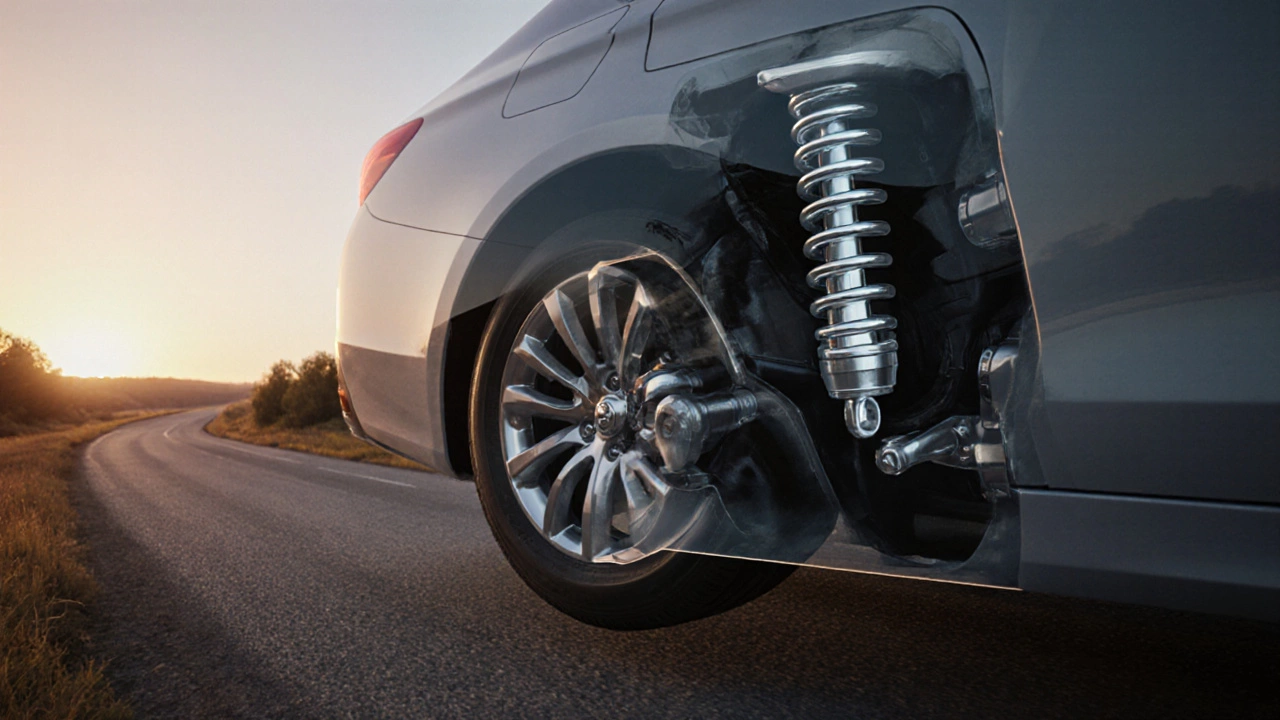
How to Recognize a Bad Car Suspension - Symptoms & Feel
Oct 19 2025 / Suspension PartsLearn how to identify a bad car suspension, understand the symptoms, test it at home, and know which parts need fixing to keep your ride safe and comfortable.
VIEW MORE