Wheel Durability: How Long Will Your Wheels Last?
When talking about wheel durability, the ability of a wheel assembly to resist wear, damage, and performance loss over time. Also known as wheel lifespan, it wheel durability depends on the parts that make up the wheel package. The most common companions are tires, rubber components that contact the road and bear the vehicle’s load, alloy rims, lightweight metal wheels that affect heat dissipation and impact resistance, suspension components, struts, shocks and bushings that manage road forces and keep wheels aligned, and brake rotors, steel discs that work with pads to slow the vehicle and generate heat. Understanding how each piece interacts is the first step toward extending the life of your whole wheel system.
Key Factors that Affect Wheel Durability
Tire wear is the most visible sign of wheel health. Over‑inflated or under‑inflated tires create uneven tread wear, which not only shortens tire life but also stresses the rim and suspension. In the UK, a typical car tire lasts between 30,000 and 45,000 km if you keep pressure within the manufacturer’s range and rotate them every 10,000 km. Ignoring these habits accelerates tread thinning, raises the risk of punctures, and can eventually cause rim damage.
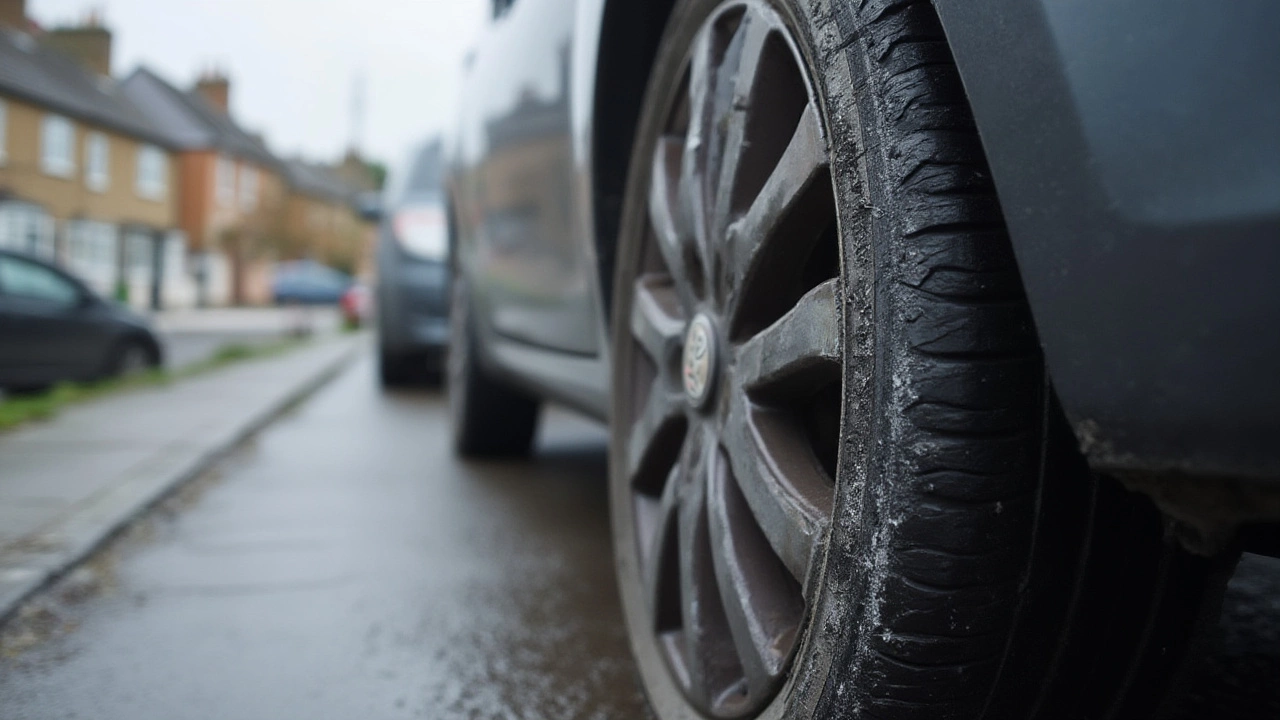
Alloy rims bring style and weight savings, but they also react differently to heat and impact than steel wheels. Poorly balanced alloy rims can develop cracks around the spokes, especially after hard braking or hitting potholes. A cracked rim compromises wheel integrity, leading to air loss and, in worst cases, sudden deflation. Regular visual checks for bends, corrosion, and cracks keep alloy rims in the game for years.
The suspension’s role often gets overlooked. Worn shocks or broken bushings allow the wheel to bounce excessively, which throws the tire off its optimal contact patch. This extra movement forces the rim to flex more, speeding up fatigue. Replacing shock absorbers and checking control arm bushings every 80,000 km helps maintain proper wheel alignment and reduces wear on both tires and rims.
Brake rotors generate a lot of heat each time you stop. If rotors are warped or excessively worn, they can cause vibration that travels up through the suspension to the wheel hub. That vibration speeds up rim corrosion and may even lead to cracks in alloy wheels. Measuring rotor thickness during brake service and resurfacing or swapping them when they fall below the minimum spec preserves wheel stability.
Putting everything together, the best maintenance routine looks like this: check tire pressure weekly, rotate tires every 10,000 km, inspect rims for signs of damage after any impact, replace suspension bushings at regular intervals, and monitor rotor wear during brake pad replacement. Simple actions like cleaning the wheel hub and applying a thin coat of anti‑corrosion spray can also fend off rust, especially in coastal areas.
Now that you know what wears your wheels down and how each component fits into the bigger picture, you’re ready to dig into the tips, signs, and cost breakdowns that the articles below cover. From clutch kits to brake pad life, the collection gives you clear, actionable info to keep every part of your wheel assembly running smoothly.
Alloy Wheels Disadvantages: Cost, Durability, Ride Quality & More Revealed
Jul 28 2025 / WheelsDiscover the drawbacks of alloy wheels, from strength issues and repair costs to practicality. Get real-life tips, facts, and what you should know before choosing them.
VIEW MORE