When to Change Brake Pads – Find the Right Time
When dealing with brake pads, the friction components that press against the rotors to slow your vehicle. Also known as brake linings, they wear down over time and need regular checks. Brake rotors, the metal discs that pair with the pads to create stopping power directly affect pad life; warped or scored rotors can cause uneven wear. Brake wear indicators, small metal tabs or electronic sensors that squeal or trigger a dashboard warning give you the first heads‑up that pads are thin. Finally, brake fluid, the hydraulic medium that transfers pressure from the pedal to the calipers, should be clean and at the right level, because contaminated fluid can accelerate pad corrosion. Understanding how these parts interact helps you spot the exact moment a pad swap is needed, before safety or cost becomes an issue.
Key Signs and How They Relate to Other Brake Parts
First, listen for a high‑pitched squeal that doesn’t go away when you press the pedal harder – that’s usually the wear indicator’s alarm. If the sound turns into a metallic grinding, the pad material is likely gone and the metal backing is now grinding the rotor, which can damage the rotor surface and force a pricey resurfacing or replacement. Second, feel for a soft, spongy pedal which often points to air bubbles in the brake fluid or a leak; low fluid can let the caliper clamp unevenly, wearing one side of the pad faster than the other. Third, watch the dashboard; many modern cars flash a brake‑pad warning when the sensor detects thickness below the manufacturer’s limit (usually around 3 mm). Finally, check the visual depth; even if the car feels fine, a quick peek through the wheel spokes should show the pad’s friction material still above the minimum thickness. Each of these clues is linked: a worn pad can overheat the rotor, causing warping, which then makes the caliper work harder, pulling more fluid and potentially exposing leaks.
Now that you know what to listen for, feel, and see, you can plan a replacement before the next drive. Below you’ll find articles that dive deeper into each related component – from how rotors affect pad life, to the best way to bleed brake fluid, and tips on choosing the right pad material for everyday driving or spirited performance. Grab the insights that match your car’s make and mileage, and keep your braking smooth, safe, and budget‑friendly.
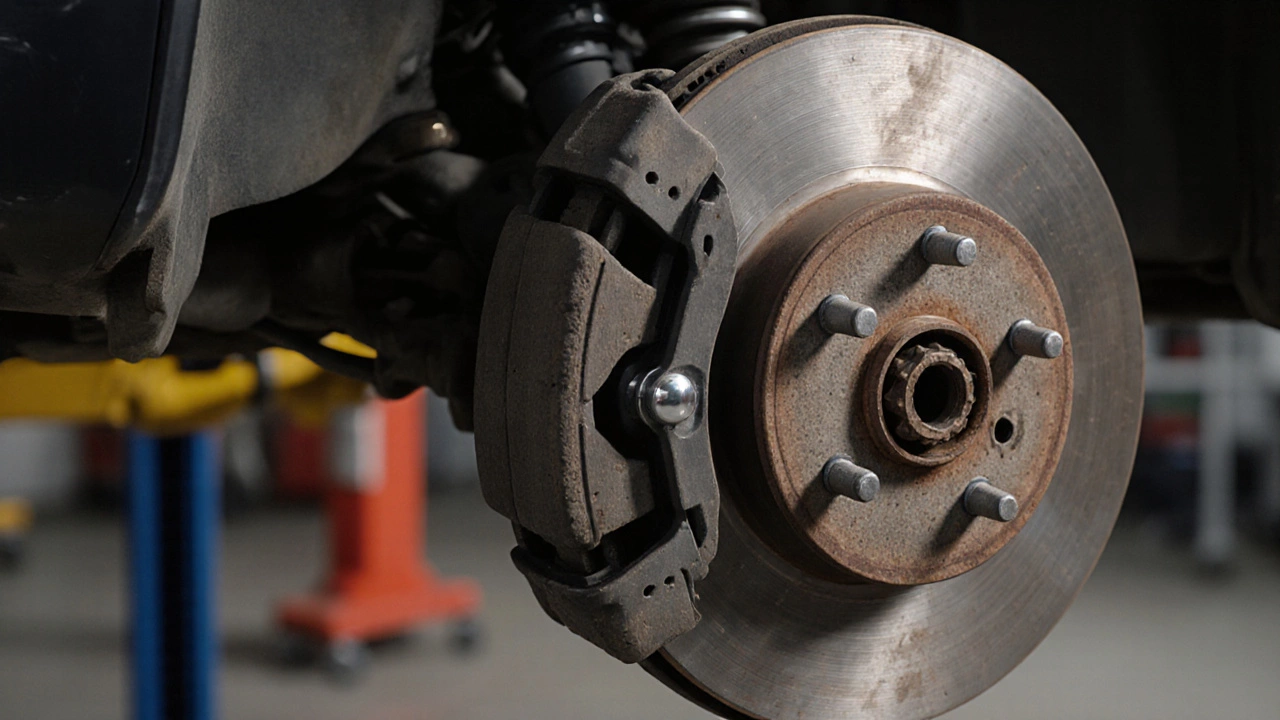
Brake Pad Replacement: How Often Should You Change Them?
Oct 9 2025 / Brake PadsFind out how often brake pads should be changed, signs of wear, lifespan factors, material comparisons, and maintenance tips for UK drivers.
VIEW MORE