Exhaust Size Recommendation Tool
Answer a few questions about your truck and goals to find the best matching exhaust size for your build.
Recommended Size:
Key Takeaways
- 4-inch pipes are the sweet spot for most street trucks making up to 600-800 horsepower.
- 5-inch pipes are designed for high-horsepower builds (1,000+ hp) and heavy-duty towing.
- Going too large on a stock or mildly tuned engine can lead to a loss in low-end torque.
- The primary goal is maintaining exhaust gas velocity to ensure efficient scavenging.
Understanding the Basics of Exhaust Flow
To figure out which size you need, you first have to understand what an exhaust system is actually doing. It is not just a pipe; it is a pressure management system. Your engine is essentially a giant air pump. It sucks air in, mixes it with fuel, burns it, and then needs to get the leftover gas out as quickly as possible.
When we talk about exhaust backpressure, we are talking about the resistance the engine meets when pushing gas out. Too much backpressure creates a bottleneck, which raises the temperature in the cylinders and forces the turbo to work harder. However, there is such a thing as too little backpressure. If the pipe is massive, the gas slows down too much. This is where velocity comes in. High-velocity gas helps "pull" the next pulse of exhaust out of the cylinder, a process called scavenging.
The 4-Inch Exhaust: The Versatile Standard
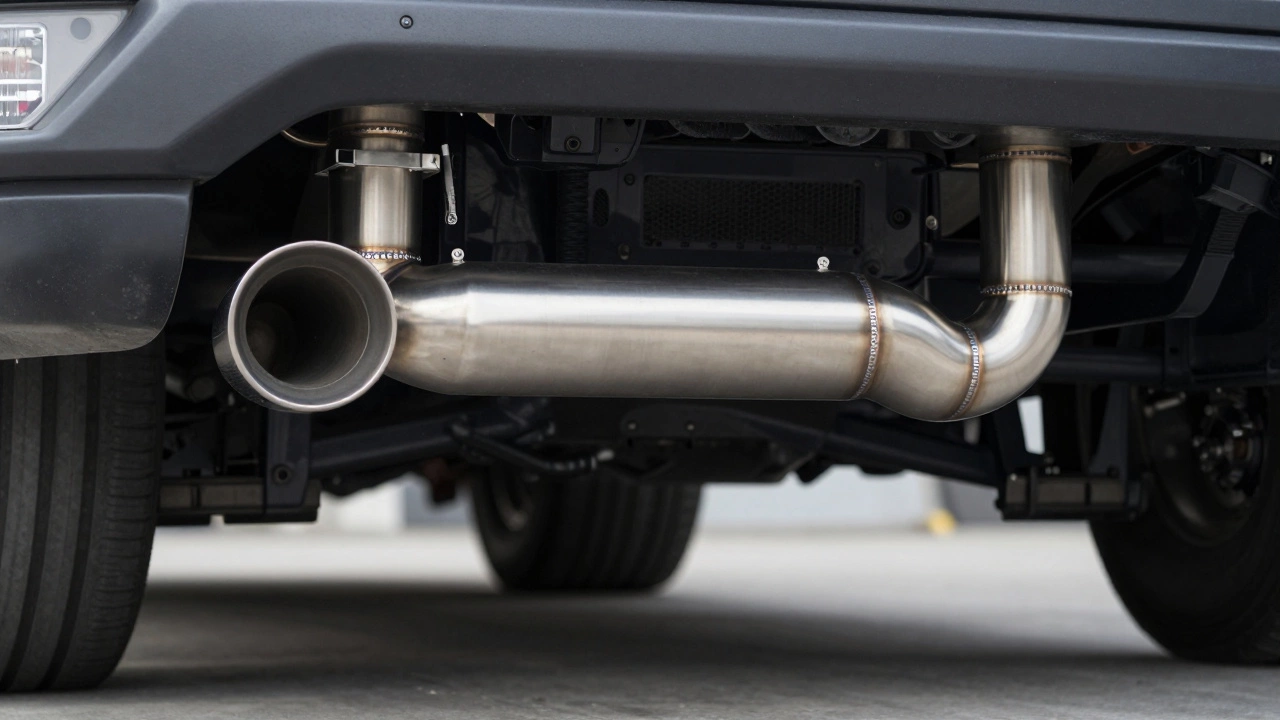
For the vast majority of diesel enthusiasts and street performers, a 4-inch exhaust is the gold standard. Why? Because it provides enough volume to handle significant power gains without sacrificing the speed of the gas.
If you have a stock or moderately tuned Cummins or PowerStroke, a 4-inch pipe usually removes the restrictive factory bottlenecks while keeping the exhaust gas moving fast enough to maintain low-end grunt. In a real-world scenario, a driver who switches from a restrictive 3-inch factory pipe to a 4-inch system will notice a drop in Exhaust Gas Temperatures (EGTs) and a slight bump in throttle response.
The 4-inch setup is typically easier to install, fits better in the chassis of mid-sized trucks, and doesn't require as much modification to the hangers or heat shielding. It's a practical choice for someone who uses their truck for daily driving and occasional towing.
The 5-Inch Exhaust: When Big Actually Matters
Now, let's talk about the 5-inch exhaust. This is the realm of big power. When you are pushing 1,000 horsepower or more, a 4-inch pipe becomes the bottleneck. At those levels of airflow, the volume of gas being produced is simply too high for a 4-inch diameter to handle without creating excessive backpressure.
A 5-inch system is common in competition trucks, heavy-haul rigs, and high-performance diesel builds. The primary benefit here is the massive reduction in EGTs. When you are towing a 20,000-pound trailer up a mountain grade, the heat build-up in your turbo and cylinders is your biggest enemy. A 5-inch pipe allows that heat to exit the vehicle much faster, protecting your engine components from heat soak.
However, there is a trade-off. If you put a 5-inch pipe on a stock engine, you'll likely feel a "mushy" feeling in the low RPMs. The gas slows down so much that it doesn't help the cylinders clear out, which can lead to a slight drop in low-end torque. You're basically trading a bit of your starting power for high-end breathing capacity.
| Feature | 4-Inch System | 5-Inch System |
|---|---|---|
| Ideal Horsepower | Up to 800 HP | 800 - 1,500+ HP |
| Low-End Torque | Excellent (Maintains Velocity) | Slightly Reduced (Loss of Velocity) |
| EGT Reduction | Good | Excellent |
| Installation | Easier / Standard Fit | Difficult / May require mods |
| Typical Use | Daily Driver / Moderate Towing | Heavy Towing / Race / High Tune |
The Role of the Turbocharger and Backpressure
You can't talk about pipe size without talking about the turbocharger. The turbo is driven by the energy of the exhaust gases. Some people argue that a bit of backpressure is necessary to "spool" the turbo faster. While this is technically true for some very specific setups, in modern diesel engines, the restriction usually comes from the DPF (Diesel Particulate Filter) or the catalytic converter, not the pipe diameter.
Once you remove the DPF, the difference between 4 and 5 inches becomes more about temperature and volume than turbo spool. If you have a massive upgraded turbo that moves a huge volume of air, a 4-inch pipe will actually hold that air back, causing the turbo to work harder and run hotter. In that specific case, the 5-inch pipe isn't just a preference-it's a requirement for engine longevity.
Practical Decision Guide: Which One Should You Buy?
Stop guessing and look at your goals. If you are asking this question, you probably fall into one of these three categories:
- The Daily Driver: You have a stock or lightly tuned truck. You want a better sound and slightly better fuel economy. Go with 4-inch. You'll keep your low-end torque and avoid the headache of a cramped installation.
- The Heavy Hauler: You tow massive loads regularly and your EGTs are creeping into the danger zone. Go with 5-inch. The ability to shed heat quickly is more important than a tiny bit of low-end snap.
- The Power Builder: You're running a hybrid turbo, upgraded injectors, and a high-flow head. Go with 5-inch. You're moving enough air that anything less than 5 inches is just a restriction waiting to happen.
Avoid the trap of buying the biggest pipe just because the guy at the truck show has one. If your engine isn't producing the volume of gas to fill a 5-inch pipe, you are just installing a very expensive, very loud echo chamber that might actually make your truck feel slower off the line.
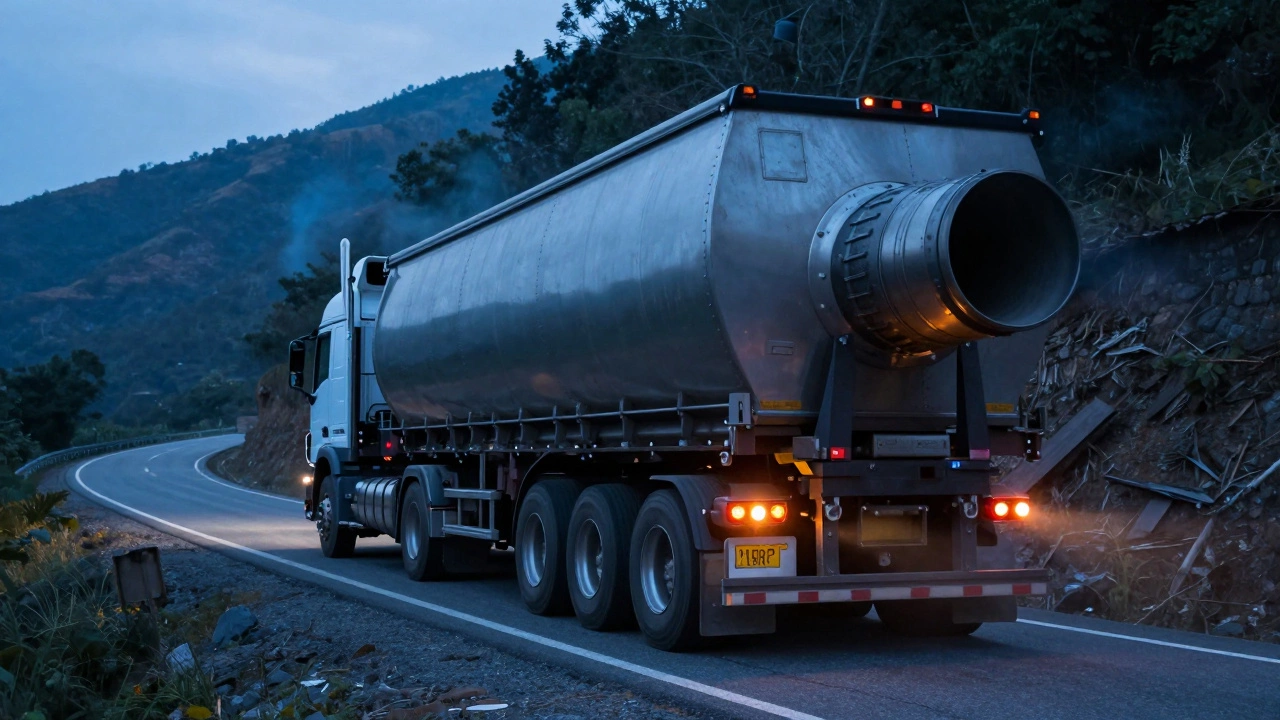
Common Pitfalls to Avoid
One of the biggest mistakes people make is ignoring the downpipe. You can have a 5-inch pipe from the mid-section back, but if you're still running a restrictive factory downpipe, you've gained almost nothing. The most restrictive part of the system is always the first section after the turbo. Ensure your downpipe matches the diameter of your rest-of-system, or at least provides a smooth transition.
Another issue is the "drone." A 5-inch pipe acts like a giant megaphone. Depending on the material-like aluminized steel vs stainless steel-the resonance can be overwhelming during highway cruising. If you value your sanity on long trips, consider a high-quality muffler or a resonator, even with a larger pipe.
Will a 5-inch exhaust make my truck slower?
Not necessarily "slower," but it can reduce low-end torque on stock or mildly tuned engines. This happens because the exhaust gas velocity drops, which reduces the scavenging effect in the cylinders. For high-horsepower builds, however, it will actually make the truck faster by removing restrictions.
Do I need to change my turbo if I go to a 5-inch pipe?
No, you don't need to change your turbo. However, the pipe size should match the turbo's output. A stock turbo works great with a 4-inch pipe. If you've upgraded to a massive performance turbo, the 5-inch pipe is recommended to handle the increased airflow.
Does a larger exhaust improve fuel economy?
Generally, yes, but only slightly. By reducing backpressure, the engine doesn't have to work as hard to push out exhaust gases, which can lead to a small increase in efficiency. However, the difference between 4-inch and 5-inch on a stock truck is negligible.
Will a 5-inch exhaust lower my EGTs more than a 4-inch?
Yes. A larger pipe allows a greater volume of gas to exit more quickly, which carries heat away from the engine faster. This is particularly noticeable under heavy loads or high-boost scenarios.
Is stainless steel better than aluminized steel for large pipes?
Stainless steel is far more durable and resistant to rust, which is important for large-diameter pipes that are exposed to the elements. Aluminized steel is cheaper and works fine for a few years, but for a long-term investment, stainless is the way to go.
Next Steps for Your Build
If you're still undecided, start by checking your current EGTs under load. If you're seeing spikes that worry you, prioritize a larger system or a high-flow downpipe. If your temperatures are fine and you just want more power, stick with the 4-inch setup to keep your throttle response snappy. Once you pick your size, make sure to check your local noise ordinances-a 5-inch straight pipe can get you a ticket faster than a speeding ticket in some cities.