Cat Back Exhaust Value Calculator
When you hear the word cat back, you might think of a louder exhaust, a meaner sound, or maybe even a few extra horsepower. But is it actually worth the money? For most drivers, the answer isn’t simple. It depends on what you want from your car - more power, better sound, or just a fresh look - and how much you’re willing to spend.
What Exactly Is a Cat Back Exhaust?
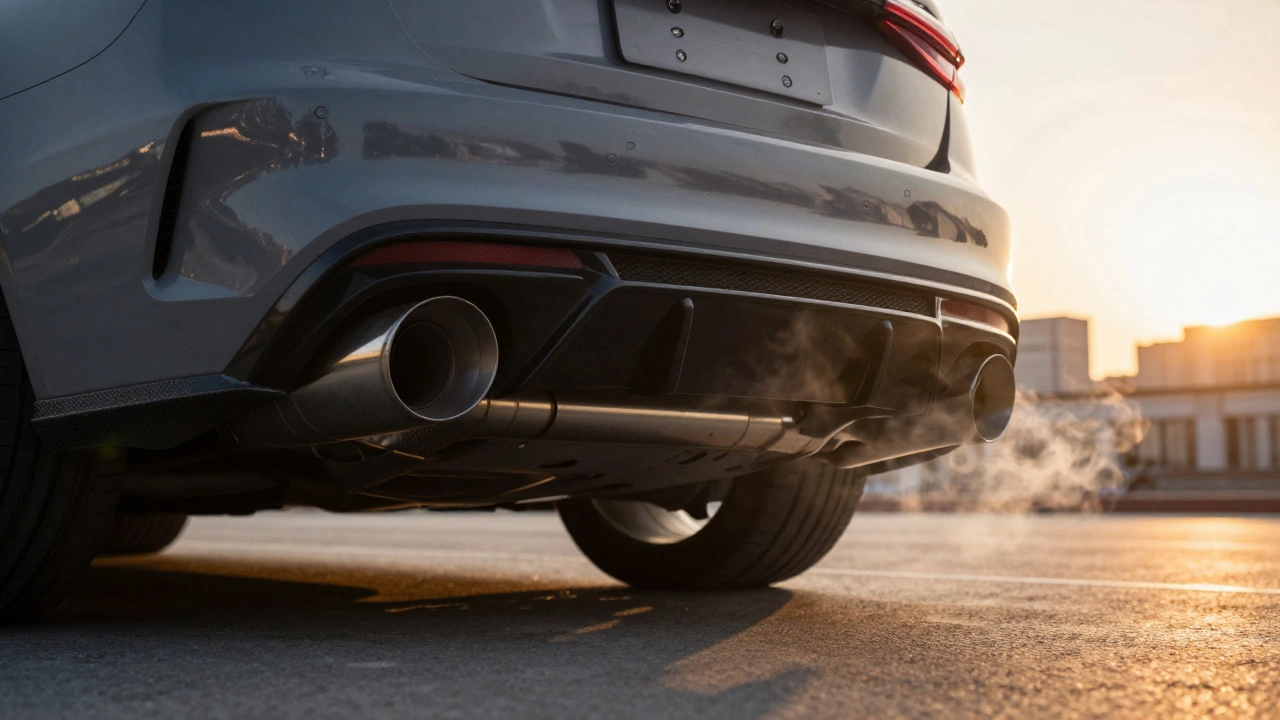
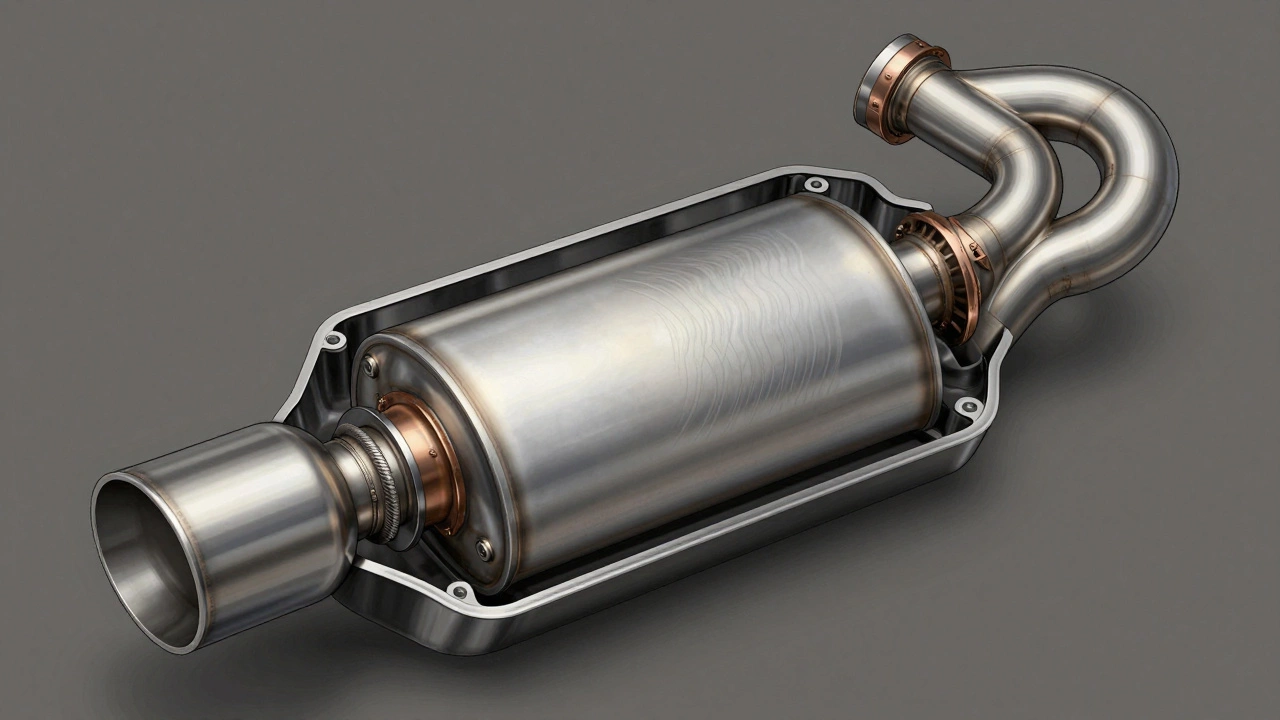
A cat back exhaust system replaces everything from the catalytic converter backward: the pipes, muffler, and tailpipe. It doesn’t touch the catalytic converter itself, which is why it’s called "cat back." This part of the exhaust is often the biggest restriction in stock systems. Factory exhausts are designed for noise control and emissions, not flow. A cat back system swaps out those tight, kinked pipes and small mufflers for larger-diameter tubing and free-flowing designs.
Most cat back systems use stainless steel or aluminized steel. Higher-end versions use T304 stainless steel, which resists rust better and lasts longer. The muffler design also matters - some use straight-through designs for a louder tone, while others use chambered or packed mufflers to keep it quieter but still improve flow.
What You Actually Gain From a Cat Back
Let’s cut through the hype. A typical cat back system adds 5 to 15 horsepower, depending on the car. That’s not a huge jump - especially if your engine is naturally aspirated. Turbocharged engines see better gains because they’re more sensitive to exhaust backpressure. For example, a 2023 Honda Civic Type R with a cat back might gain around 12 hp at the wheels, according to dyno tests from Car and Driver. A 2024 Ford Mustang EcoBoost might gain 8 to 10 hp.
But horsepower isn’t the main reason most people buy one. Torque improvement, especially in the mid-range (2,500 to 4,500 RPM), is often more noticeable. That’s the range you use most during daily driving - merging, passing, climbing hills. A good cat back makes the engine feel less sluggish there.
Throttle response also improves. The engine doesn’t have to work as hard to push exhaust gases out, so it reacts quicker when you press the gas. That’s why some drivers say their car feels "more alive" - even if the numbers don’t scream performance.
Sound: The Real Selling Point
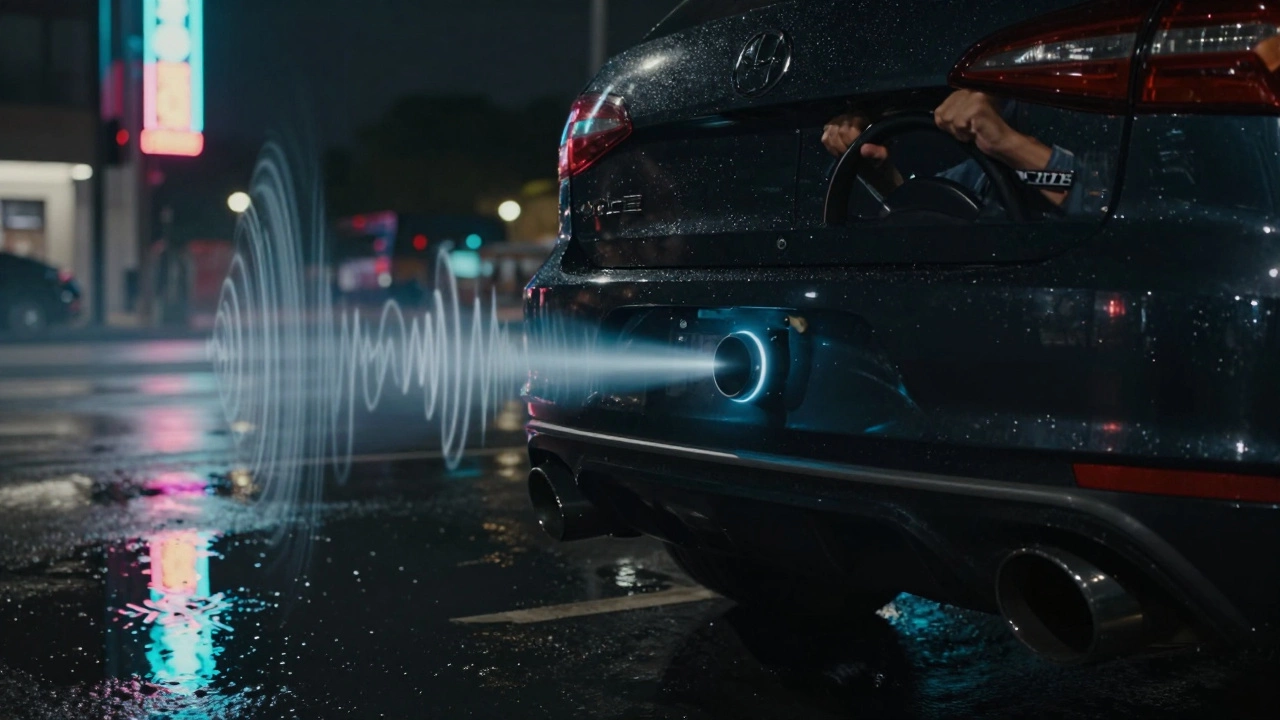
If you’re looking for a deeper, throatier rumble, a cat back delivers. Stock exhausts are muffled to meet noise regulations. A cat back removes those restrictions, letting the engine’s character come through. But not all cat backs sound the same.
Some systems are aggressive - loud enough to draw stares at stoplights. Others are refined, with a rich tone that’s noticeable but not obnoxious. Brands like Borla, MagnaFlow, and Corsa specialize in different sound profiles. Corsa’s Sport system, for instance, uses a patented reflection technology to cancel out drone at highway speeds. That’s a big deal if you do a lot of highway driving.
Drone is the real killer. That low-frequency buzz you feel in your cabin at 70 mph? It’s exhausting after an hour. Cheap cat backs often create drone. Quality ones are tuned to avoid it. Always check owner reviews for drone complaints before buying.
Cost vs. Benefit: Is It Worth the Money?
A basic cat back system runs $400 to $800. Premium setups with T304 stainless steel and performance mufflers can hit $1,500 or more. Installation usually costs another $150 to $300 if you don’t do it yourself.
Compare that to a cold air intake ($200-$400) or a tune ($300-$600). A tune alone can add 20-40 hp on turbo cars. A cat back might add 10 hp, but it’s not as effective without a tune. Many tuners recommend doing a cat back and a tune together for the best results.
So is it worth it? If you want more power and don’t mind spending $1,000+, then yes - but only if you pair it with a tune. If you just want a better sound and don’t care about horsepower, then yes - pick a quality system with low drone. But if you’re expecting a dramatic performance leap, you’ll be disappointed.
What You Lose: Warranty, Resale, and Rules
Installing a cat back doesn’t automatically void your warranty - unless it causes damage. But if your car has a factory warranty and you get a check engine light after installing it, the dealer might blame the exhaust. That’s why some people install cat backs after their warranty expires.
Resale value? Most buyers don’t care about aftermarket exhausts. Some even see them as a negative - especially if the sound is too loud. You might need to swap back to stock before selling, which adds time and cost.
And don’t forget local laws. In states like California, any modification that changes emissions output is illegal. Even if you keep the catalytic converter, a cat back might fail emissions testing if it alters backpressure too much. Check your state’s regulations before buying.
Who Should Install a Cat Back?
If you’re handy with tools and have a jack, jack stands, and a torque wrench, you can install one yourself in 3 to 5 hours. Most systems bolt on with minimal cutting. But if you’re not confident, pay a shop. A bad install can lead to leaks, rattles, or even damage to your catalytic converter.
Pro tip: Buy a system with gaskets and hardware included. Some cheap kits leave you buying bolts and seals separately. That adds hidden cost.
Alternatives to a Cat Back
If you’re on a budget or want more power, consider these instead:
- Performance muffler only - Replace just the muffler for $150-$400. You get some sound change and a small flow improvement.
- Downpipe upgrade - For turbo cars, this is the single biggest power gain. But it’s illegal on street cars in many places.
- Engine tune - A simple ECU flash can add 20-40 hp without touching hardware. Often the best value.
- High-flow air filter - Cheap, easy, and helps the engine breathe better. Adds maybe 3-5 hp.
Many enthusiasts start with a tune and a high-flow filter, then add a cat back later for sound. That’s a smarter, more balanced approach.
Final Verdict: Is a Cat Back Worth It?
Here’s the truth: A cat back exhaust is not a performance miracle. It’s a lifestyle upgrade.
If you love the sound of your engine and want it to feel a little freer, then yes - it’s worth it. Pick a reputable brand, avoid the cheapest options, and choose a system designed to reduce drone. You’ll enjoy the drive more.
If you’re chasing horsepower, look elsewhere. A tune, a better intake, or even tire upgrades will give you more bang for your buck.
And if you’re planning to sell your car soon, or live in a state with strict emissions rules, think twice. You might end up spending money you can’t get back.
Bottom line: A cat back isn’t about speed. It’s about pride. If you’re the kind of driver who smiles when you hear your car growl at a stoplight, then go for it. Just know what you’re paying for - and what you’re not.
Does a cat back exhaust increase horsepower?
Yes, but only modestly - typically 5 to 15 horsepower, depending on the engine and system. Turbocharged engines see better gains than naturally aspirated ones. The biggest improvement is often in mid-range torque and throttle response, not peak power.
Will a cat back void my car’s warranty?
No, not automatically. Under the Magnuson-Moss Warranty Act, manufacturers can’t void your warranty just because you installed an aftermarket part - unless they prove the part caused the specific failure. But if you get a check engine light after installing a cat back, the dealer might blame it and deny coverage.
Can a cat back fail emissions testing?
Yes, in states with strict emissions laws like California. Even though the catalytic converter stays intact, some cat back systems alter exhaust flow enough to trigger a check engine light or fail the OBD-II scan. Always check local regulations before buying.
What’s the difference between aluminized and stainless steel cat backs?
Aluminized steel is cheaper and resists rust for about 3-5 years. Stainless steel (T304 grade) lasts 10+ years and doesn’t rust, even in snowy or coastal climates. It’s more expensive but worth it if you plan to keep the car long-term.
Do I need a tune with a cat back exhaust?
Not required, but highly recommended - especially for turbocharged engines. A tune optimizes fuel and timing for the new exhaust flow, unlocking more power and smoother performance. Without a tune, you’re only getting the sound and minor flow benefits.
How long does a cat back exhaust last?
Aluminized steel lasts 3-7 years, depending on climate and driving habits. T304 stainless steel lasts 10-15 years or more. Poor installation or road salt can shorten lifespan. Regular inspections for rust or leaks are a good idea.
Is a cat back louder than a stock exhaust?
Yes, significantly. Stock exhausts are designed to muffle sound for compliance with noise laws. Cat back systems remove those restrictions, letting the engine’s natural tone come through. Some are tuned for a deep rumble, others for a sporty roar. Always test drive or read reviews for drone levels.
Can I install a cat back myself?
Yes, if you have basic tools and experience with car maintenance. Most cat back systems are bolt-on designs that replace the factory exhaust without cutting. Plan for 3-5 hours. Make sure the kit includes all gaskets and hardware. If you’re unsure, pay a professional to avoid leaks or damage.