Silicone vs. Rubber Wiper Blade Advisor
Not sure if you should upgrade? Answer these questions to find out which blade type offers the best value and performance for your specific situation.
Select Options to See Recommendation
Adjust the settings on the left to calculate the best blade type for your needs.
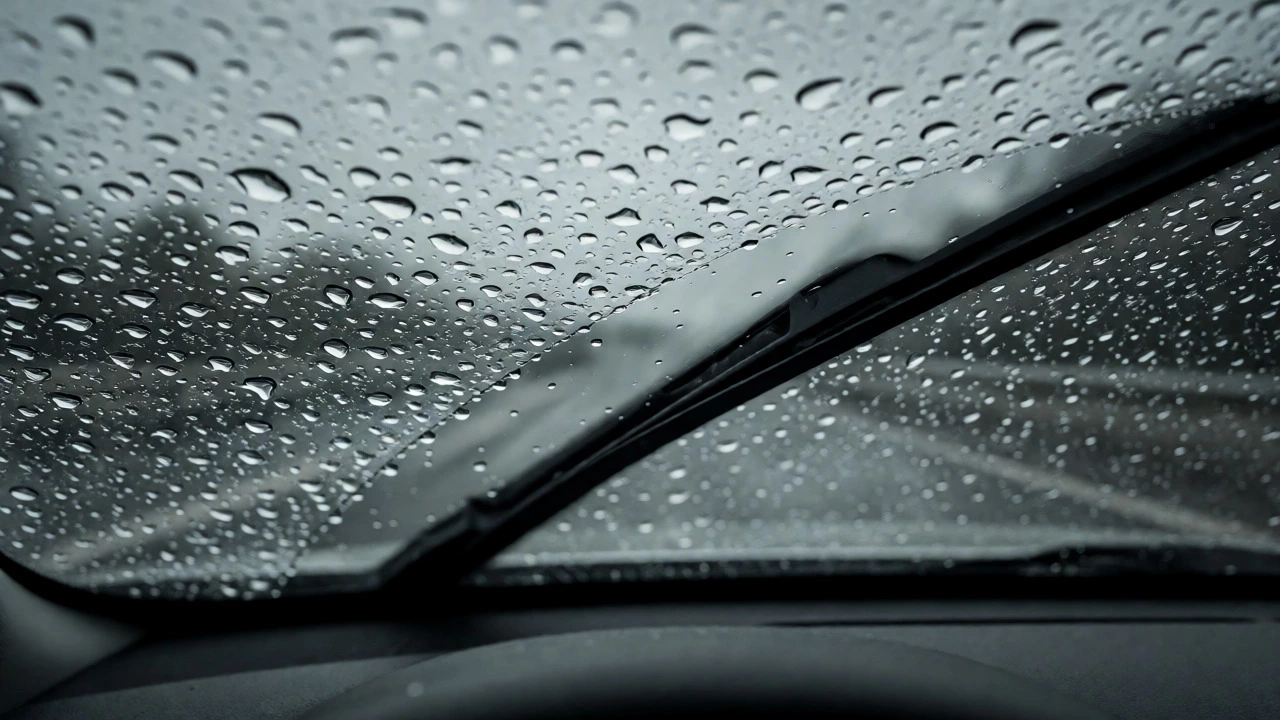
You’re stuck in a downpour on the M60. The rain is hammering the roof, and your silicone wiper blades are doing their job-mostly. But then you remember that set of cheap rubber ones you had last year. They squeaked, they chattered, and they left streaks like bad graffiti across your glass. It makes you wonder: are silicone wiper blades actually better, or is it just clever marketing designed to empty your wallet at the local motor factor?
The short answer is yes, but with caveats. Silicone isn't magic, and it’s not for every driver in every climate. If you live somewhere with brutal winters or drive an older car with specific arm geometries, the story gets more complicated. Let’s break down what actually happens when silicone meets your windscreen, compared to traditional natural rubber.
What Exactly Is a Silicone Wiper Blade?
Silicone wiper blades are wiper blades made from synthetic silicone rubber rather than natural rubber. Unlike standard blades that rely on the friction of rubber against glass to clear water, silicone blades often use a hydrophobic coating effect. This means they don’t just push water off; they cause water to bead up and roll away before the blade even touches the glass.
This technology has been around since the late 1980s, pioneered by companies like Rain-X and later adopted by major OEM suppliers. The core difference lies in the material properties. Natural rubber is porous and degrades under UV light and ozone. Silicone is non-porous, highly resistant to heat, and maintains its flexibility across a wider temperature range. Think of it as the difference between a cheap plastic ruler that snaps in the cold and a high-end composite tool that stays pliable.
The Performance Gap: Streaks, Noise, and Longevity
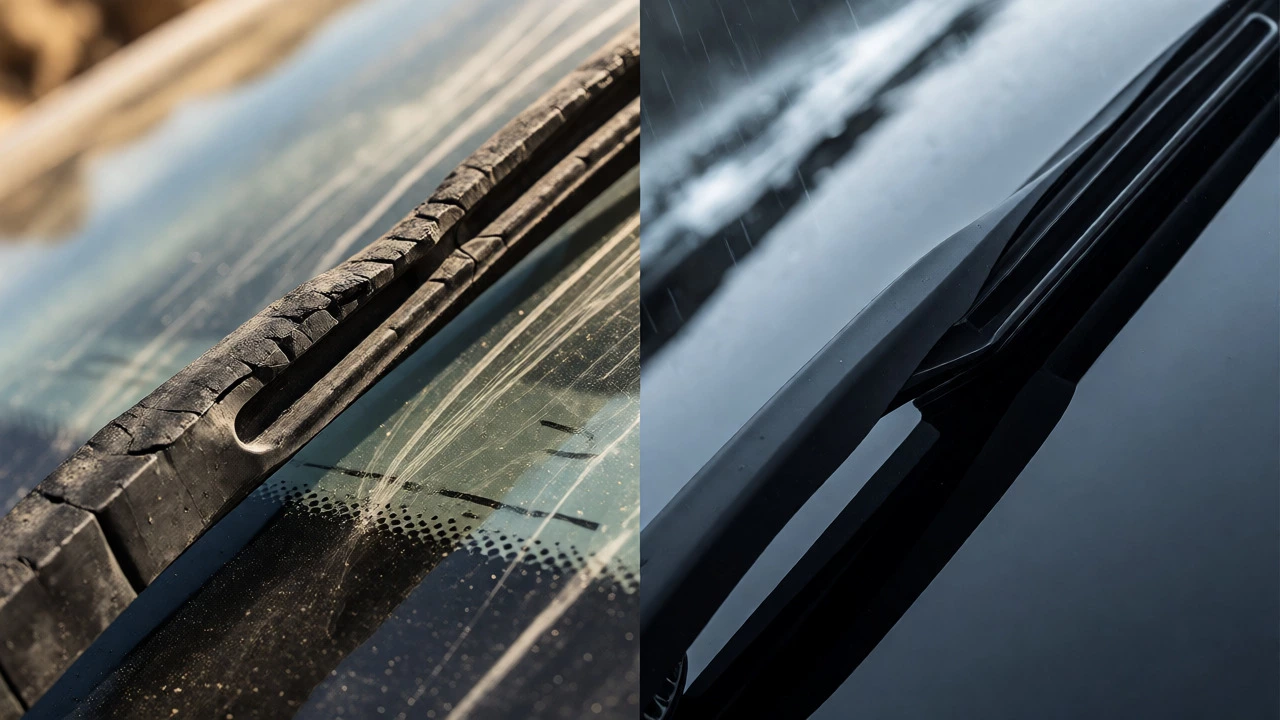
If you’ve ever driven through a summer storm, you know the horror of "chattering." That’s when the blade skips across the glass instead of gliding. Traditional rubber blades suffer from this because the rubber hardens over time due to sun exposure. Once it hardens, it loses its ability to conform to the curve of your windscreen. Silicone, however, remains soft and flexible. It hugs the glass better, reducing chatter significantly.
But here’s where it gets interesting. Because silicone repels water, it creates a thin layer of lubrication between the blade and the glass. This reduces drag, which means less strain on your wiper motor. You might notice your wipers running smoother and quieter. In my experience driving through Manchester’s frequent drizzle, the clarity improvement is noticeable immediately after installation. There’s no "break-in" period required, unlike some hybrid blades.
Longevity is another big selling point. A standard rubber blade typically lasts six to twelve months, depending on how much sun it gets. In hot climates, four months is common. Silicone blades can last two to three times longer. Some premium brands claim up to two years. While I haven’t tested them for two full years personally, I have used sets for 18 months without significant degradation in performance. The edges stay sharp, and the frame doesn’t corrode as quickly because the silicone itself protects the internal metal components from moisture ingress.
When Rubber Still Wins: Cost and Climate
So, why hasn’t everyone switched? Money and weather. First, cost. A pair of basic rubber blades might cost £5-£10. A comparable pair of quality silicone blades often ranges from £15 to £30. For a budget-conscious driver changing blades twice a year, the upfront cost feels steep. However, if you do the math over two years, silicone becomes cheaper because you’re buying half as many pairs.
Second, extreme cold. While silicone handles heat well, very low temperatures can affect its performance differently than rubber. In sub-zero conditions, silicone can become slightly stiffer, though rarely brittle enough to crack. However, if ice builds up on the windscreen, rubber blades sometimes handle the scraping force better because they are more forgiving. If you frequently scrape ice off your car with the wipers (which you shouldn’t do, by the way), rubber might survive that abuse better. But for pure clearing performance in snow, both struggle unless you have heated windscreens.
| Feature | Silicone Blades | Rubber Blades |
|---|---|---|
| Lifespan | 18-24 months | 6-12 months |
| Cost | High (£15-£30) | Low (£5-£10) |
| Heat Resistance | Excellent (no cracking) | Poor (hardens/cracks) |
| Noise Level | Very Quiet | Can Chatter/Squeak |
| Water Repellency | Hydrophobic (beading effect) | Standard wiping only |
| Best For | Sunny climates, heavy rain, long-term value | Budget buyers, icy conditions, temporary fixes |
Installation and Compatibility Pitfalls
Not all cars are created equal, and neither are wiper arms. Silicone blades are often heavier than standard rubber ones because of the denser material and sometimes reinforced frames. If your car has older, weaker wiper motors or spring-loaded arms that have lost tension, the extra weight might cause the blade to lift off the glass at high speeds. This leads to poor contact and streaking at 70mph, even if it works fine in the driveway.
Check your owner’s manual for recommended blade weights. Most modern cars (post-2010) handle silicone easily. Older models, especially those with conventional beam-style arms, might need adjustment. Also, ensure the connector type matches. Universal adapters exist, but they add bulk and can look messy. Buying brand-specific fitments (like Bosch Aerotwin or Valeo Silencio variants) ensures a clean install.
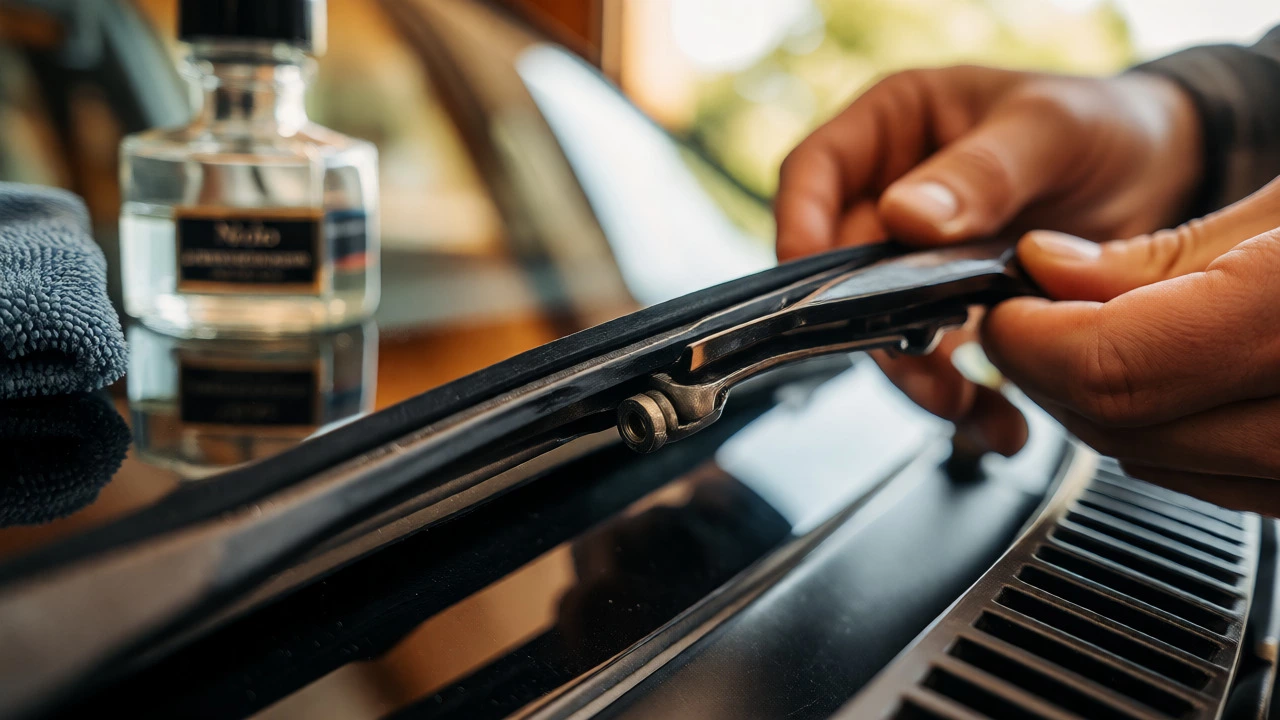
Another trap: cleaning the windscreen. Silicone blades work best on clean glass. If you have oil film buildup from exhaust fumes or tree sap, the silicone won’t grip properly. It will skate over the surface. Before installing new silicone blades, deep-clean your windscreen with a dedicated glass polish or clay bar treatment. This step is crucial. Skipping it is the number one reason people say silicone "doesn't work."
Do They Actually Repel Water?
Yes, but don’t expect miracles. The hydrophobic property comes from the silicone material itself releasing oils that coat the glass. Over time, this coating wears off. You’ll notice the beading effect diminishes after several months. To maintain it, some drivers apply a separate ceramic sealant or rain repellent product. Interestingly, using a rain repellent spray *with* silicone blades can sometimes reduce effectiveness because the spray fills the microscopic pores of the glass, preventing the silicone from interacting directly. Test it on a small area first.
In heavy storms, silicone blades excel because they clear water faster. The reduced friction allows the wiper arm to move quicker without dragging. This improves visibility during sudden downpours, which is critical for safety. On dry roads, they are nearly silent. You won’t hear that annoying "shhh-shhh" sound that rubber blades make when sweeping dust.
Verdict: Who Should Switch?
If you live in a sunny region, drive frequently on highways, or hate replacing wipers twice a year, silicone is worth the investment. The superior longevity offsets the higher price tag within the first year. If you drive a newer car with good aerodynamics, the performance boost in wet weather is tangible.
Stick with rubber if you’re on a tight budget, live in an area with severe icing where you occasionally scrape the glass, or drive an older vehicle with weak wiper motors. For most UK drivers dealing with persistent rain and moderate summers, silicone offers a cleaner, quieter, and longer-lasting solution. Just remember to prep your glass properly, and check your arm compatibility. Your eyes-and your peace of mind-will thank you next time you’re caught in a torrential shower.
Do silicone wiper blades damage the windscreen?
No, silicone blades do not damage windscreen glass. In fact, because they glide more smoothly and reduce friction, they may cause less micro-scratching over time compared to hardened rubber blades. However, always ensure the glass is free of grit before operating wipers, as dirt particles cause scratches regardless of blade material.
Why do my new silicone wipers chatter?
Chattering usually indicates contaminated glass or incorrect arm tension. Clean the windscreen thoroughly with alcohol or glass polish to remove oil films. If the problem persists, check if the wiper arm is bent or losing tension. Silicone blades are sensitive to poor contact pressure, so adjusting the arm angle slightly may resolve the issue.
Can I use silicone wipers in winter?
Yes, silicone wipers perform well in winter rain and sleet. They resist freezing better than rubber and remain flexible in cold temperatures. However, avoid forcing them against thick ice, as this can strain the motor. Use a scraper for heavy ice accumulation before turning on the wipers.
How long do silicone wiper blades last?
Quality silicone wiper blades typically last 18 to 24 months, which is roughly double the lifespan of standard rubber blades. Lifespan depends on usage frequency, exposure to direct sunlight, and environmental factors like road salt or tree sap.
Are expensive silicone wipers better than cheap ones?
Generally, yes. Premium brands use higher-grade silicone compounds and better structural reinforcements. Cheap generic silicone blades may degrade faster or lose their hydrophobic properties sooner. Look for reputable automotive brands with warranties rather than unbranded bargain bin options.