Fuel Pump Health Checker
Check Your Symptoms
Select symptoms you're experiencing. This diagnostic tool compares your symptoms to known fuel pump issues.
Jerky, inconsistent ride during hard acceleration or highway driving
Takes multiple attempts to start, especially after sitting
Fails to climb hills or pull trailers
Dies at stoplights or while idling, restarts after cooling
Random misfires, check engine light, unburned fuel smell
Loud high-pitched whine when ignition is turned on
Fails to start after parking for 30+ minutes
Diagnosis Results
Select symptoms to see your assessment.
If your car sputters on the highway, stalls at traffic lights, or refuses to start after sitting for a few hours, you might be dealing with a failing fuel pump. It’s one of those quiet parts under your car that you never think about-until it stops working. And when it does, it doesn’t give you much warning. Unlike a dead battery that clicks when you turn the key, a bad fuel pump often acts up in sneaky ways that mimic other problems. But there are clear signs if you know what to look for.
Engine Sputters at High Speeds
One of the most common early signs is engine sputtering when you’re driving fast-say, on the motorway or during hard acceleration. This isn’t just bad fuel or a dirty air filter. A failing fuel pump can’t keep up with the demand for fuel when the engine needs more. At low speeds, it might manage. But when you press the pedal hard, the pump can’t deliver enough pressure. The result? A jerky, inconsistent ride. It feels like the engine is hiccupping, especially between 40 and 70 mph. This isn’t normal. If it happens regularly, especially after the car has warmed up, the fuel pump is likely struggling.
Difficulty Starting the Car
Have you noticed your car takes longer to start than it used to? Not just in cold weather-anytime. You turn the key, hear the engine turn over, but it doesn’t catch right away. You try again. And again. Sometimes it starts on the third or fourth try. That’s not a bad starter. That’s a weak fuel pump. The pump needs to build pressure before the engine can fire up. If it’s worn out, it takes longer to get fuel to the injectors. In extreme cases, the car won’t start at all. You hear the fuel pump humming for a few seconds when you turn the key to ‘on’-but if it’s silent, that’s a red flag. Most modern pumps make a soft whirring noise for two or three seconds when you first power up the car. No sound? It’s probably dead.
Loss of Power Under Load
Imagine climbing a hill, towing a trailer, or merging onto a busy road. Your car suddenly loses power. The engine feels like it’s running out of breath. You ease off the gas, and it recovers. But when you try again, it happens once more. This is a classic symptom of a fuel pump that can’t maintain pressure under stress. It’s not the engine. It’s not the transmission. It’s the fuel system. A healthy pump delivers consistent pressure regardless of load. A failing one drops pressure when you need it most. If you’ve ruled out a clogged fuel filter or bad spark plugs, the pump is the next suspect.
Intermittent Engine Stalling
Stalling at stoplights or while idling is another big clue. You’re waiting at a red light, engine running fine-then it just dies. You restart it, and it runs normally for a few minutes. Then it happens again. This isn’t a sensor glitch. It’s not a vacuum leak. It’s the fuel pump losing pressure intermittently. The pump might still work sometimes, but it can’t hold steady pressure. When the engine demands fuel, even a tiny drop in pressure can cause the air-fuel mixture to go lean. The result? A sudden stall. This often gets worse as the pump heats up. If it stalls more often after a long drive, that’s a telltale sign.
Engine Misfires or Runs Rough
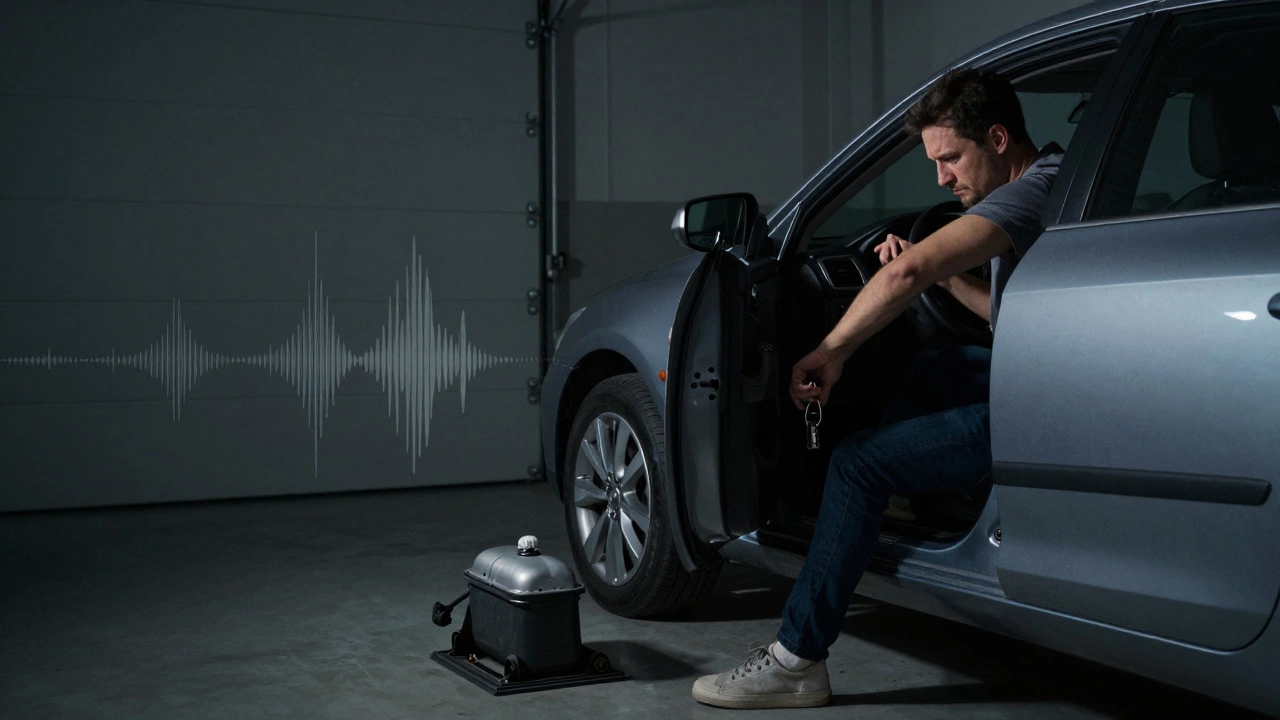
A rough idle, random misfires, or the check engine light flashing with codes like P0300 (random misfire) can point to a fuel pump issue. When the pump doesn’t deliver enough fuel, the engine runs lean. That means too much air, not enough fuel. The spark plugs can’t ignite the mixture properly. You’ll notice hesitation, stumbling, or even a smell of unburned fuel from the exhaust. These symptoms can look like bad spark plugs or a faulty injector-but if you’ve replaced those and the problem remains, the fuel pump is the hidden culprit. A fuel pressure test will confirm it.
Whining Noise from the Fuel Tank
Listen closely when you turn the key to ‘on’ before starting the engine. If you hear a loud, high-pitched whining noise coming from the rear of the car-near the fuel tank-that’s not normal. A healthy fuel pump makes a quiet hum. A failing one often makes a louder, irregular whine or buzz. This noise comes from the motor inside the pump straining. It could mean the brushes are worn, the impeller is damaged, or debris is clogging the intake. This isn’t just annoying-it’s a warning that the pump is about to fail completely.
Car Won’t Start After Sitting
Here’s a scenario many drivers experience: You park your car for an hour, go into a shop, come back, and it won’t start. Not because the battery is dead-because the fuel pump has lost its prime. A weak pump can’t build enough pressure to deliver fuel to the injectors after sitting. It might start fine when cold, but after warming up and shutting off, it can’t restart until it cools down again. This is a classic sign of a pump that’s on its last legs. It’s not the ignition system. It’s not the fuel lines. It’s the pump’s inability to maintain residual pressure.
What Happens When a Fuel Pump Fails Completely?
If you ignore these signs long enough, the pump will eventually stop working entirely. The car won’t start. No matter how many times you turn the key, nothing happens. No sputtering. No cranking. Just silence. That’s because no fuel is reaching the engine. You might think it’s the battery, the starter, or even the ECU. But if you’ve ruled out those, and you hear no fuel pump noise when you turn the key, it’s almost certainly the pump. In older cars, you might be able to tap the fuel tank gently to get it to start again. In newer cars, that trick won’t work. Once it’s gone, it’s gone.
How to Confirm It’s the Fuel Pump
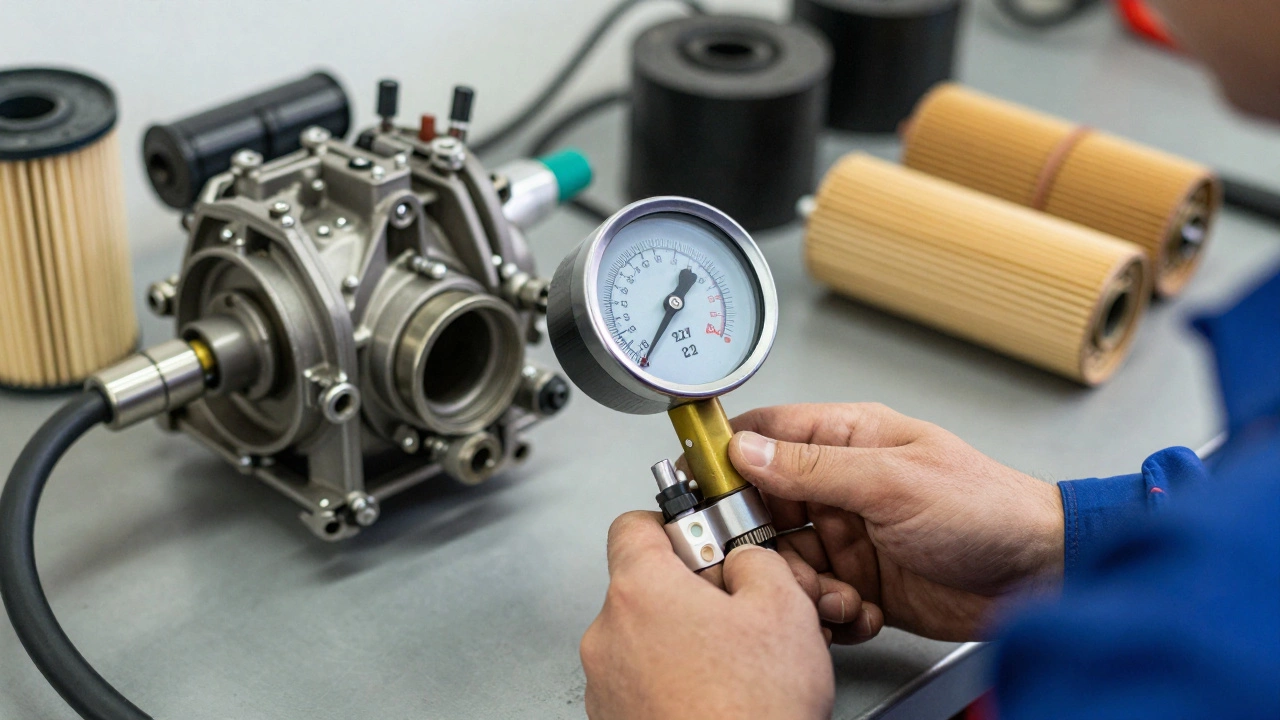
You don’t need to guess. A simple fuel pressure test takes less than 15 minutes with a gauge. Most auto shops do it for under £50. The test measures pressure in the fuel line while the engine runs. A healthy system in most petrol cars runs between 30 and 60 psi. If it’s below 25 psi, the pump is failing. If pressure drops under acceleration, that’s even worse. Some cars have a test port on the fuel rail. Others need a kit to connect to the fuel line. Either way, it’s the only way to be sure. Don’t replace parts blindly. A clogged fuel filter can cause similar symptoms-but it’s much cheaper to fix. Always check the filter first. But if the filter’s clean and pressure is low? The pump is the issue.
What to Do Next
If you’ve noticed multiple symptoms-sputtering, hard starts, stalling, whining noises-it’s time to act. A failing fuel pump won’t get better. It’ll only get worse. Driving with a weak pump puts extra strain on the engine and can damage fuel injectors over time. In the UK, where fuel quality varies and older cars are common, fuel pump failure is one of the top reasons for breakdowns in spring and summer. Replace it before you’re stranded. Most fuel pumps last 100,000 to 150,000 miles, but harsh driving, cheap fuel, or running the tank low can cut that in half. If your car is over 10 years old and has more than 80,000 miles, it’s worth keeping an eye on.
Preventing Future Problems
Here’s how to make your fuel pump last longer:
- Never run the tank below a quarter full. The fuel cools the pump. Running low overheats it.
- Use quality fuel. Cheap fuel has more contaminants that clog the pump’s filter.
- Replace the fuel filter every 30,000 to 50,000 miles. A clean filter reduces strain on the pump.
- Avoid long idling. Sitting in traffic for hours puts constant stress on the pump.
These aren’t just tips-they’re proven ways to extend the life of your fuel pump. A little care now saves you hundreds later.