HVAC Filter & System Identifier
Select the components you have found in your home.
Analysis Result
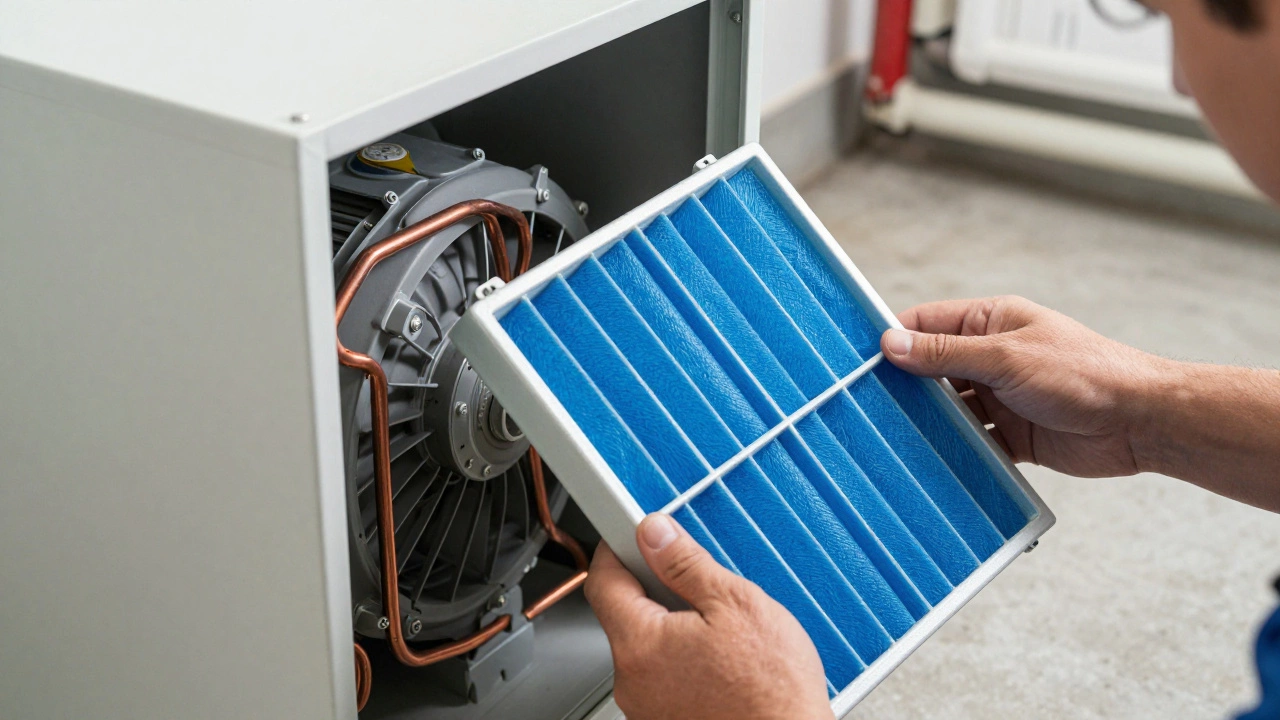
Have you ever opened your furnace closet or checked behind the vent in your hallway and wondered if you’re missing something? It’s a common confusion. You buy one box of air filters is rectangular panels designed to trap dust, pollen, and debris from circulating through your home’s heating and cooling system. You install it. Then you notice another slot somewhere else in the house with a different-looking filter. Are you double-filtering? Are you wasting money? Or worse, are you restricting airflow and damaging your expensive equipment?
The short answer is: usually, no. Most standard homes have just one main filtration point for their forced-air heating and cooling system. However, modern setups can get complicated. Between central air handlers, separate furnace units, ERV systems, and standalone purifiers, it’s easy to feel like you’re playing detective. Let’s clear up the confusion so you know exactly where your filters go and why.
The Central Hub: Your Furnace or Air Handler
In the vast majority of UK homes (and many elsewhere), the heart of your air circulation is the HVAC system is the combined network of ducts, vents, and mechanical equipment that regulates indoor temperature and air quality.. This system typically has one primary intake point where air enters the unit before being heated or cooled. That’s where the main filter lives.
If you have a traditional gas boiler with radiators, you likely don’t have this issue at all, as hot water systems don’t circulate air through ducts. But if you have a heat pump, a forced-air furnace, or a central air conditioning unit, there is almost certainly one large filter slot. It’s often located:
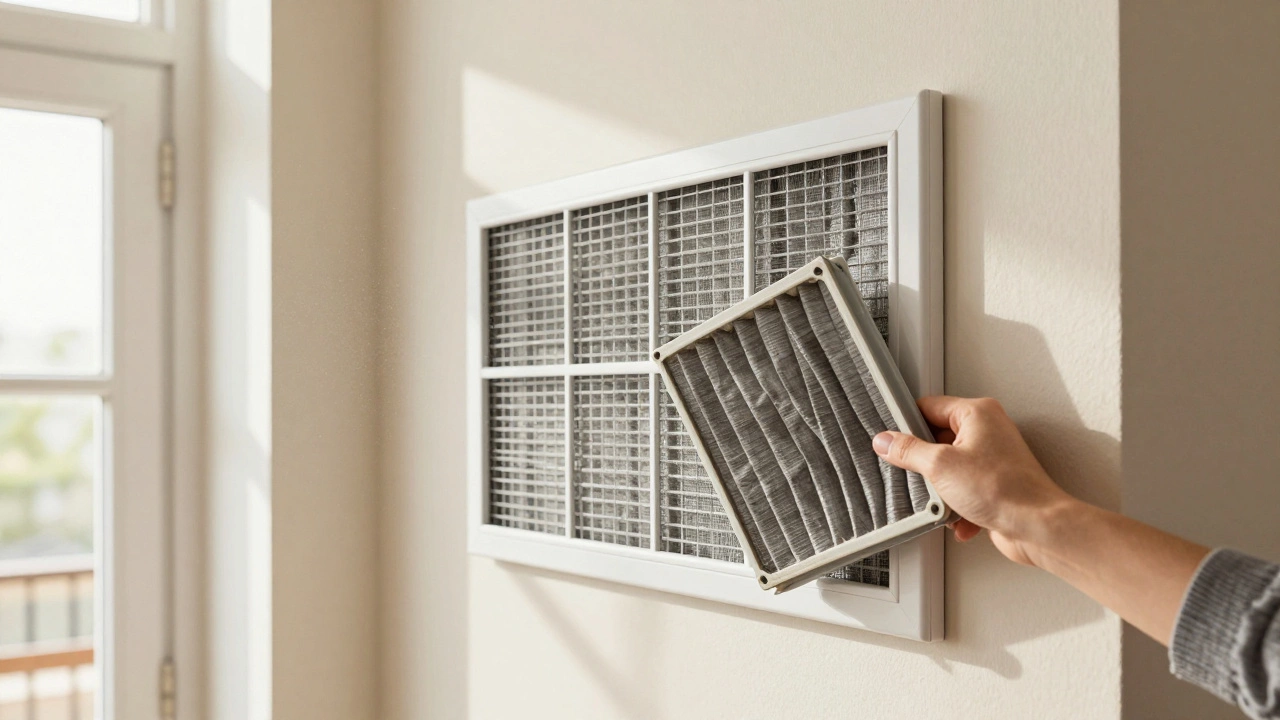
- Inside the return air grille on a wall (the big vent that sucks air back into the system).
- On the side of the air handler or furnace cabinet itself.
- In a dedicated access panel near the basement ceiling or attic space.
This single filter does the heavy lifting. It catches the bulk of the dust, pet dander, and lint before it reaches the delicate coils inside your unit. If this filter gets clogged, your system has to work harder, leading to higher energy bills and potential breakdowns. This is the filter you need to check every month during peak usage seasons.
The Second Slot: Is It Really Another Filter?
So, why did you see two slots? There are three common reasons homeowners mistake other components for a second air filter.
1. The Return Air Grille Screen
Many people confuse the metal mesh screen on their return air vent with a filter. These screens are permanent fixtures made of coarse wire. Their job isn’t to clean the air; it’s to keep large objects-like socks, toys, or stray cats-from falling into the ductwork. You cannot replace these with disposable filters unless your specific system was designed for it. If you try to jam a pleated filter into a standard wire-screen grille without a proper frame, it will sag, restrict airflow, and potentially fall into the blower motor. Disaster.
2. Separate Zone Systems
In larger homes, especially those built in the last decade, you might have zoned heating and cooling. This means two separate air handlers serving different parts of the house (e.g., upstairs vs. downstairs). Each air handler needs its own filter. In this case, yes, you have two filters, but they serve distinct zones. They should be identical in size and MERV rating to ensure balanced performance.
3. Energy Recovery Ventilators (ERVs) or Heat Recovery Ventilators (HRVs)
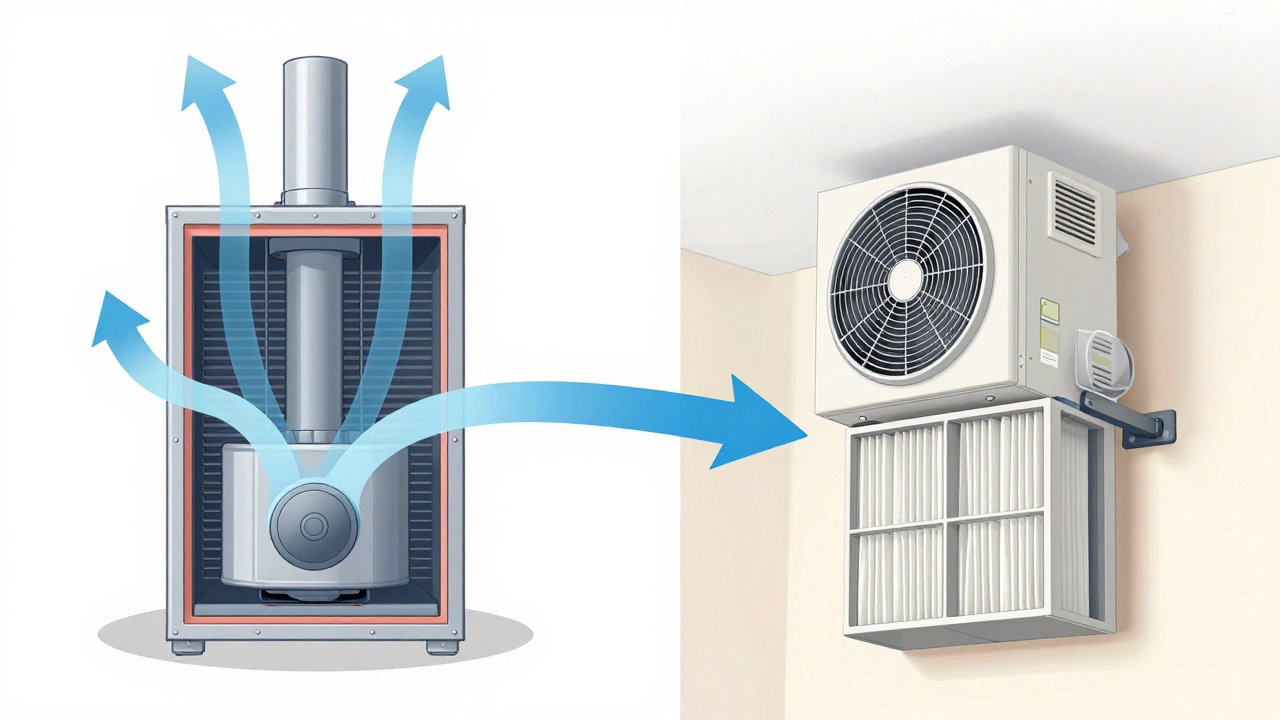
This is the most likely culprit for confusion in modern, tightly sealed homes. To maintain fresh air without losing heat, many new builds include an Energy Recovery Ventilator is a mechanical ventilation system that exchanges stale indoor air with fresh outdoor air while recovering thermal energy.. An ERV has its own set of filters-one for the incoming outdoor air and one for the exhaust air leaving the house. These look similar to furnace filters but are part of a completely separate ventilation loop. They require regular cleaning or replacement, usually every six months, depending on local pollution levels.
| Component | Location | Function | Replaceable? |
|---|---|---|---|
| Main Furnace Filter | Air handler or return duct | Cleans recirculated indoor air | Yes (Every 1-3 months) |
| Return Air Screen | Wall or ceiling vent | Prevents debris entry | No (Permanent) |
| ERV/HRV Filter | Ventilation unit (often attic/cellar) | Cleans incoming/outgoing fresh air | Yes (Every 6-12 months) |
| Portable Purifier Filter | Room-specific device | Localised air cleaning | Yes (Every 6-12 months) |
Understanding MERV Ratings and Airflow
Once you’ve identified which slots actually take filters, the next question is: what kind of filter do you use? You’ll see numbers like MERV 8, MERV 11, or MERV 13 printed on the edge. MERV stands for Minimum Efficiency Reporting Value. It tells you how well the filter traps particles of different sizes.
A MERV 8 filter catches large particles like dust bunnies and pollen. It’s cheap and allows plenty of air to flow. A MERV 13 filter captures much smaller particles, including smoke, bacteria, and virus carriers. It’s excellent for allergy sufferers but creates more resistance to airflow.
Here’s the trap: upgrading to a high-MERV filter without checking your system’s capacity can backfire. If your furnace fan isn’t powerful enough to push air through a dense MERV 13 filter, the system will struggle. This can cause the evaporator coil to freeze in summer or overheat in winter. Always check your manufacturer’s guidelines. For most residential systems, MERV 8 to 11 is the sweet spot between cleanliness and efficiency.
Portable Purifiers: The Third Player
Don’t forget about standalone air purifiers. Many households now run a HEPA purifier in the bedroom or living room alongside their central HVAC system. These devices have their own filters, often pre-filters and true HEPA filters. They operate independently of your ductwork. So, technically, you might have two central filters (furnace + ERV) plus two portable filters. That’s four filters total. It sounds excessive, but each serves a different purpose: the central system handles whole-house distribution, while the purifier targets immediate local air quality.
How to Check and Maintain Your Filters
Maintenance is key. A dirty filter is a useless filter. Here’s a simple routine to keep your home breathing easy:
- Label them: Write the installation date on every filter with a marker. This prevents guesswork later.
- Visual Inspection: Hold the filter up to a light source. If you can’t see light passing through the pleats, it’s time to change it.
- Check Pressure Drop: If your HVAC system sounds louder than usual or rooms take longer to heat/cool, suspect a clogged filter.
- Seasonal Swaps: In Manchester, where dampness and mould spores are common in autumn and winter, consider changing filters monthly during these peak seasons.
Never run your system without a filter if the slot is open. Even a few hours of unfiltered air can coat your coils in dust, reducing efficiency by up to 15% and requiring costly professional cleaning.
When to Call a Professional
If you’re still unsure whether you have one or two filters, or if your system seems to be struggling despite fresh filters, it’s time to call an HVAC technician. They can perform a static pressure test to ensure your airflow is within safe limits. They can also verify if your ERV or HRV is functioning correctly, which is crucial for maintaining healthy indoor humidity levels and preventing condensation issues in older brick homes.
Knowing your system’s layout saves money and protects your health. Whether you have a simple furnace setup or a complex multi-zone ventilation network, understanding where your filters live ensures you’re not just spinning air-you’re cleaning it.
Can I put a second filter in my return air vent?
Generally, no. Unless your system was specifically designed with a filter rack in the return grille, adding a second filter here restricts airflow significantly. This can cause your furnace to overheat or your AC coils to freeze. Stick to the manufacturer’s designated filter slot.
How often should I replace my furnace filter?
For a standard 1-inch filter, check it monthly and replace it every 90 days. If you have pets, allergies, or live in a dusty area, replace it every 60 days. Thicker 4-inch or 5-inch media filters can last 6 to 12 months.
What is the difference between an ERV filter and a furnace filter?
A furnace filter cleans the air already inside your home as it recirculates. An ERV filter cleans outside air coming into your home and sometimes the stale air going out. They are part of different systems but both are essential for air quality in tightly sealed modern homes.
Is a higher MERV rating always better?
Not necessarily. Higher MERV ratings (13+) trap smaller particles but create more resistance to airflow. If your HVAC system isn’t designed for high-resistance filters, it can lead to poor performance, higher energy bills, and equipment damage. Stick to MERV 8-11 unless advised otherwise by a professional.
Can I wash and reuse my air filter?
Only if it is explicitly labeled as "washable" or "permanent." Most standard fiberglass and pleated filters are disposable. Washing them destroys the electrostatic charge that helps trap particles and can ruin the structural integrity of the filter, letting dust pass right through.