Oil Change Interval Calculator
Recommended Oil Change Interval
Skipping your oil change might seem harmless-after all, your car still starts, the dashboard doesn’t light up, and the engine doesn’t scream. But that silence is deceptive. Engine oil doesn’t just lubricate; it cools, cleans, and protects. When you push past the recommended interval, you’re not just delaying maintenance-you’re betting against physics, chemistry, and decades of engineering.
What Happens to Oil When It’s Overdue?
Motor oil isn’t a one-time-use fluid that just sits there. It breaks down under heat and pressure. Every time your engine runs, the oil gets hotter than 200°F. That heat, combined with combustion byproducts and metal particles from normal wear, starts turning fresh oil into sludge. After 5,000 miles, even synthetic oil begins to lose its viscosity. At 10,000 miles, it’s thinning out. By 15,000 miles, it’s barely clinging to engine parts like a worn-out sponge.
Here’s what’s really going on inside your engine: the oil can’t flow properly anymore. It doesn’t coat bearings, pistons, or camshafts the way it should. Instead of forming a smooth protective film, it starts to clump. That’s when metal starts grinding on metal. You won’t hear it yet-but you’ll feel it in performance. Your car feels sluggish. Acceleration gets rough. Idle might shake.
How Much Damage Are You Really Risking?
One overdue oil change won’t kill your engine. But three? Four? That’s when things get serious. A 2023 study by the Automotive Aftermarket Industry Association found that 68% of engine failures linked to poor maintenance involved oil neglect. Not leaks. Not overheating. Just old, dirty oil.
Here’s what can go wrong:
- Sludge buildup clogs oil passages, starving critical parts of lubrication. This is especially common in turbocharged engines, which run hotter and demand cleaner oil.
- Increased friction leads to premature wear on crankshafts, rod bearings, and valve lifters. Replacing those parts costs $2,000-$5,000.
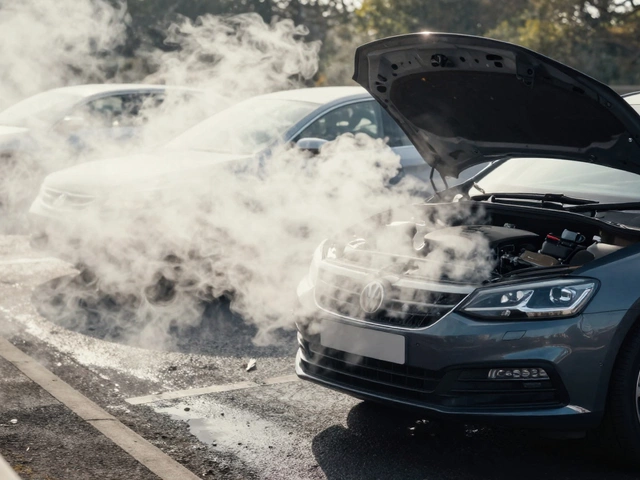
- Overheating happens because dirty oil can’t transfer heat effectively. Your engine runs hotter than designed, which can warp components or crack cylinder heads.
- Oil filter failure occurs when the filter gets overwhelmed with contaminants. Once that happens, unfiltered grit circulates through your engine like sandpaper.
Some drivers think, “My car has a maintenance light. I’ll wait for it.” But those lights are programmed based on ideal conditions. If you drive in stop-and-go traffic, haul heavy loads, or live in extreme heat or cold, your oil degrades faster. The light is a suggestion-not a safety net.
What’s the Real Cost of Waiting?
A typical oil change costs $40-$70. Even a full synthetic change runs under $100. Compare that to the average cost of engine repair from oil neglect: $3,200. That’s not a gamble. That’s a financial trap.
And it’s not just about repairs. If your engine fails while you’re on the highway, you’re looking at towing fees, rental cars, and possibly being stranded for days. Insurance won’t cover it if it’s deemed preventable. And if you sell the car later, a history of neglected maintenance slashes resale value by 15-25%.
Some people say, “I drive less than 5,000 miles a year. I don’t need an oil change every six months.” But time matters just as much as mileage. Oil oxidizes sitting in the engine. Moisture builds up. Acids form. If you haven’t changed the oil in 12 months-even if you’ve only driven 2,000 miles-you’re already risking corrosion inside your engine.

What’s the Safe Window?
Most manufacturers recommend oil changes every 7,500 to 10,000 miles for synthetic oil, or every 5,000 miles for conventional. But here’s the truth: those numbers assume perfect driving conditions. Real life isn’t perfect.
Here’s when you should change your oil sooner:
- You drive mostly in city traffic with frequent stops
- You tow trailers, carry heavy loads, or drive in mountainous areas
- You live in areas with extreme heat (over 90°F) or freezing cold (below 0°F)
- Your car is older than 8 years, even if it has low mileage
- You’ve noticed oil leaks, smoke from the exhaust, or a burning smell
If any of those apply to you, stick to the 5,000-mile or 6-month rule-whichever comes first. Don’t wait for the light. Don’t wait for a symptom. Oil degradation is silent until it’s too late.
How to Tell If Your Oil Is Really Bad
You don’t need a mechanic to check your oil. Do it yourself in five minutes:
- Turn off the engine and wait 5 minutes for oil to settle.
- Pull the dipstick, wipe it clean, reinsert it, then pull it out again.
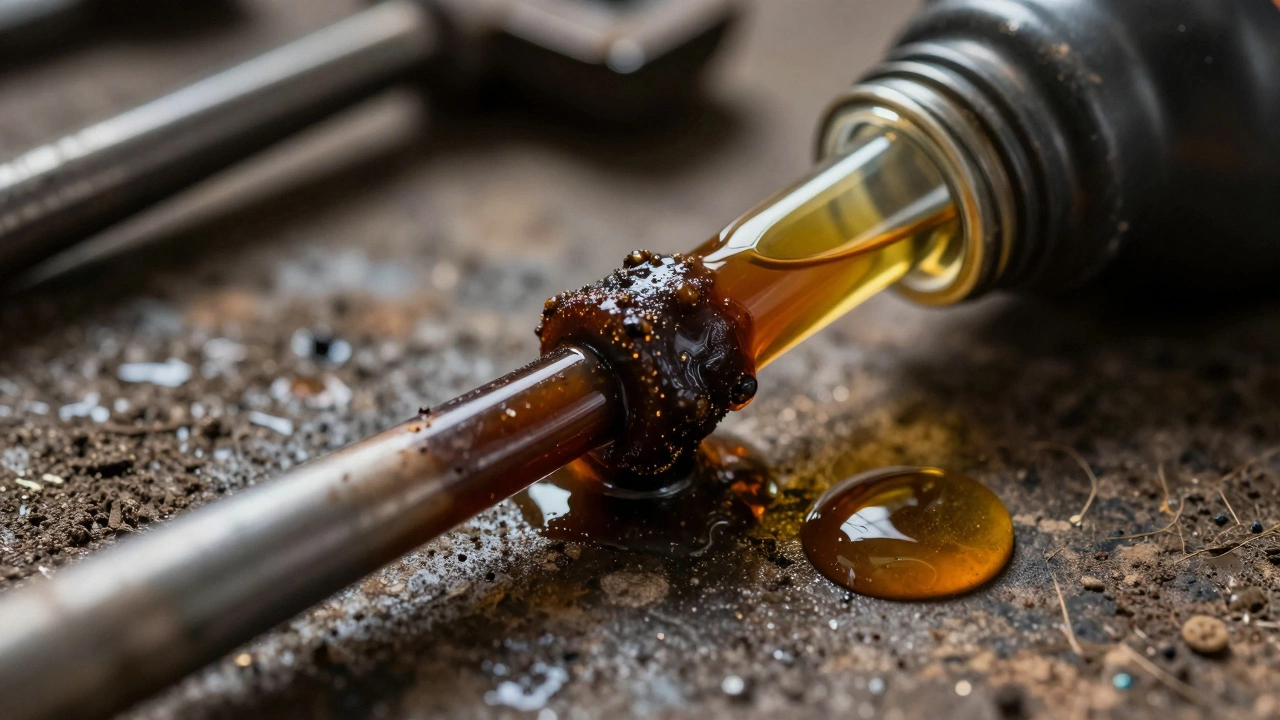
- Check the color: fresh oil is amber or light brown. Old oil is dark brown or black. That’s normal-but if it’s thick, gloopy, or has visible particles, it’s done.
- Smell it: if it smells burnt, like burnt popcorn or plastic, your oil has overheated.
- Test the texture: rub a drop between your fingers. If it feels gritty, it’s full of metal shavings and dirt.
Any of those signs? Change it now. Don’t wait for a warning light. Don’t wait for next month. Your engine doesn’t care about your budget-it only cares about clean, fresh oil.

What About Synthetic Oil? Can I Really Go 15,000 Miles?
Manufacturers advertise 15,000-mile oil change intervals for synthetic oil. But here’s what they don’t tell you: those numbers are based on lab tests under controlled conditions. Real-world driving? Different story.
Even high-end synthetics like Mobil 1 or Amsoil start losing effectiveness after 10,000 miles. Turbochargers, direct injection engines, and stop-and-go traffic accelerate breakdown. A 2024 report from Consumer Reports tested synthetic oil after 12,000 miles in real-world conditions. Result? Viscosity dropped 18%. Total base number (TBN)-a measure of acid-fighting ability-fell below safe levels.
So yes, synthetic lasts longer. But not infinitely. If you’re pushing past 10,000 miles, you’re running on borrowed time. And if your car is older, or you drive hard, stick to 7,500 miles.
What If I’ve Already Gone Too Long?
It’s not too late-but you need to act fast. If you’ve gone 15,000+ miles without an oil change:
- Don’t just drain and refill. Flush the system first. Old sludge stays behind and contaminates new oil.
- Replace the oil filter. Always. A dirty filter ruins even the cleanest oil.
- Check for leaks or metal shavings in the old oil. If you see shiny flakes, get an engine inspection. That’s bearing wear.
- Monitor your engine closely for the next 1,000 miles. Strange noises? Loss of power? Get it checked immediately.
Some people think they can “reset” their engine by changing oil after years of neglect. That’s a myth. You can’t undo damage. But you can stop it from getting worse.
Bottom Line: It’s Not About the Mileage. It’s About the Risk.
You don’t need to be a mechanic to understand this: engine oil is your engine’s lifeline. Skipping an oil change isn’t saving money. It’s gambling with your car’s future. The cost of one oil change is less than a tank of gas. The cost of an engine rebuild? More than a used car.
If you’ve been putting it off, do it this week. Not next month. Not when the light comes on. Now. Your engine doesn’t care how busy you are. It only cares if you gave it clean oil.
Can I just top off my oil instead of changing it?
No. Topping off oil doesn’t remove contaminants, sludge, or broken-down additives. It just dilutes the bad oil with fresh oil, making it slightly less bad-but still dangerous. You still need a full change to flush out the gunk.
Does my car’s oil life monitor really tell me when to change oil?
It’s a good guide, but not perfect. Oil life monitors track engine RPM, temperature, and driving time-but they can’t detect contamination from dust, fuel dilution, or moisture. If you drive in harsh conditions, change oil before the monitor says to.
What happens if I go 20,000 miles without an oil change?
You’re likely causing irreversible damage. Sludge clogs oil passages, bearings wear out, and metal particles circulate through the engine. At that point, you’re not just risking failure-you’re guaranteeing it. Repair costs often exceed the car’s value.
Is it okay to change oil every 12 months if I drive very little?
Yes-but only if you use synthetic oil. Conventional oil breaks down faster even when the car sits. Moisture and acid build up over time, corroding internal parts. Annual changes are the minimum for low-mileage drivers.
Can I switch from conventional to synthetic oil after neglecting changes?
Yes, but only after a full oil system flush. Switching oils won’t fix existing sludge. You need to remove the old contaminants first. Otherwise, the synthetic oil will mix with gunk and lose its benefits immediately.
If you’re unsure about your oil schedule, check your owner’s manual. If you don’t have it, search your car’s make, model, and year online for the manufacturer’s recommendation. And if you’ve been waiting too long-don’t wait any longer. Your engine is counting on you.