Fuel Pump Failure Symptom Checker
Select the symptoms your vehicle is experiencing to determine the likely severity and recommended action.
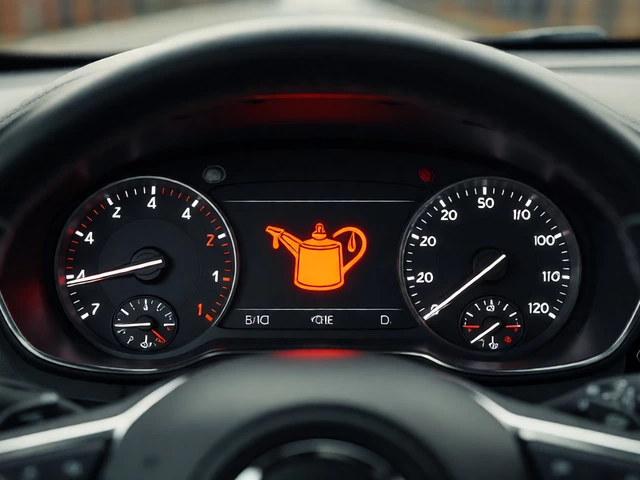
You turn the key, and instead of that smooth, confident rumble, you get silence. Or maybe the engine sputters like it’s choking on air before finally catching. It’s frustrating, confusing, and often scary. Before you panic about your entire engine failing, consider the fuel pump, a critical component responsible for delivering pressurized fuel from your tank to the engine. When this part starts to fail, it doesn’t usually announce itself with a warning light. Instead, your vehicle begins to act strangely, exhibiting specific behaviors that point directly to a lack of consistent fuel delivery.
Understanding these early warning signs can save you from being stranded on the side of the road or facing a much more expensive repair down the line. A failing fuel pump is one of the most common causes of unexpected breakdowns in modern vehicles. By recognizing how your car behaves when this system is compromised, you can take action before the failure becomes total.
The Struggle to Start: Hard Starting Issues
One of the first and most noticeable signs of a dying fuel pump is difficulty starting the engine. If your car requires multiple attempts to crank over before it finally fires up, especially after sitting for a while, the fuel pump might be struggling to build sufficient pressure.
When you turn the ignition key to the "on" position (before cranking), you should hear a faint humming noise coming from the rear of the vehicle where the gas tank is located. This is the fuel pump priming the system. If that hum is weak, intermittent, or completely absent, the pump isn’t doing its job. Without adequate pressure in the lines, the injectors can’t spray the fine mist of fuel needed for combustion. The result? You crank, the engine spins, but nothing happens-or it takes three tries just to get going.
This symptom is particularly prevalent in older vehicles or those with high mileage. As the internal components of the pump wear down, they lose efficiency. The motor inside may still spin, but it no longer moves enough fuel volume to meet the engine's demands during startup.
Sudden Loss of Power During Acceleration
Imagine you’re merging onto a highway or trying to pass another vehicle. You press the accelerator, expecting a surge of power, but instead, the car feels sluggish, unresponsive, or even stalls momentarily. This sudden loss of power under load is a classic indicator of a failing fuel pump.
Here’s why this happens: Your engine needs significantly more fuel when you demand high performance-like accelerating quickly or climbing a steep hill. A healthy fuel pump delivers this extra volume effortlessly. However, a worn-out pump cannot maintain the required pressure under stress. As the demand spikes, the supply drops. The engine control unit (ECU) detects this lean condition (too much air, not enough fuel) and may cut power to protect the engine, resulting in that jarring hesitation or limp mode.
If you notice this happening consistently during heavy acceleration but not during gentle cruising, don’t ignore it. It suggests the pump is working at its limit and will likely fail completely soon.
Engine Sputtering and Stalling at High Speeds
Driving along comfortably at highway speeds, your car suddenly shudders, sputters, and nearly dies. You ease off the gas, and it recovers. Then it happens again a few miles later. This erratic behavior is terrifying but highly characteristic of an inconsistent fuel supply.
A failing fuel pump often develops internal wear that causes fluctuations in pressure. Sometimes it pushes enough fuel; other times, it doesn’t. These inconsistencies lead to misfires as individual cylinders don’t receive the proper fuel mixture. At higher RPMs, the engine requires a steady stream of fuel. Any interruption causes the engine to stumble. In severe cases, the car may stall entirely while moving, which is extremely dangerous if you’re in traffic.
This symptom differs from ignition issues because it tends to occur regardless of weather conditions or recent maintenance. While spark plugs can cause similar sputtering, the pattern here is tied closely to fuel demand and duration rather than random misfires.

Unexpected Surging While Driving
Opposite to losing power is experiencing unwanted surges. You keep your foot steady on the pedal, yet the car accelerates on its own, then slows down, creating a rollercoaster effect. This phenomenon occurs when the fuel pump fails to regulate pressure correctly.
Fuel pumps work in tandem with a pressure regulator to ensure a constant flow. When the pump’s internal diaphragm or impeller wears out, it may allow excess fuel into the system at irregular intervals. The ECU tries to compensate by adjusting the throttle and timing, but it can’t fully correct the mechanical inconsistency. The result is an unpredictable driving experience that feels unsafe and uncomfortable.
Surging is less common than stalling but equally concerning. It indicates that the pump is mechanically compromised and unable to provide stable output. Ignoring this could lead to complete failure while driving.
Whining Noise From the Fuel Tank Area
Your ears are valuable diagnostic tools. A normal fuel pump emits a quiet, low-level hum. If you start hearing a loud whining, groaning, or squealing noise emanating from the rear of your vehicle, especially when the tank is low, pay attention.
This noise typically signals that the pump is overheating or straining due to friction. Fuel acts as both lubricant and coolant for the pump. When the tank runs low, the pump draws in more air and less liquid, causing increased heat and wear. Over time, this leads to bearing failure or motor degradation. The whine grows louder as the damage progresses.
If you’ve noticed this sound persisting over several weeks, it’s a clear sign that the pump is nearing the end of its life. Replacing it proactively can prevent emergency roadside repairs.
Check Engine Light and Diagnostic Trouble Codes
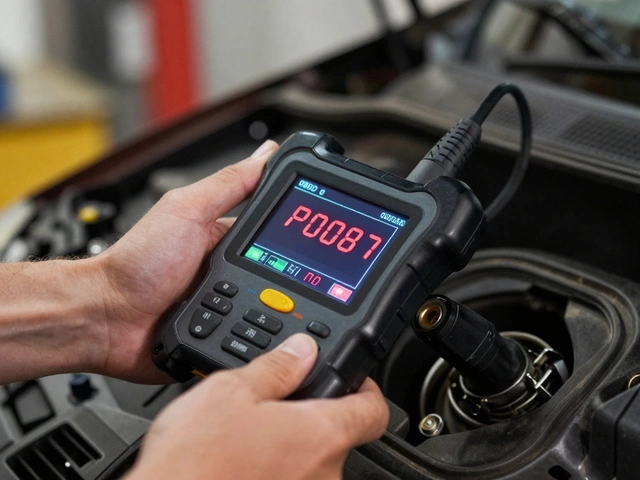
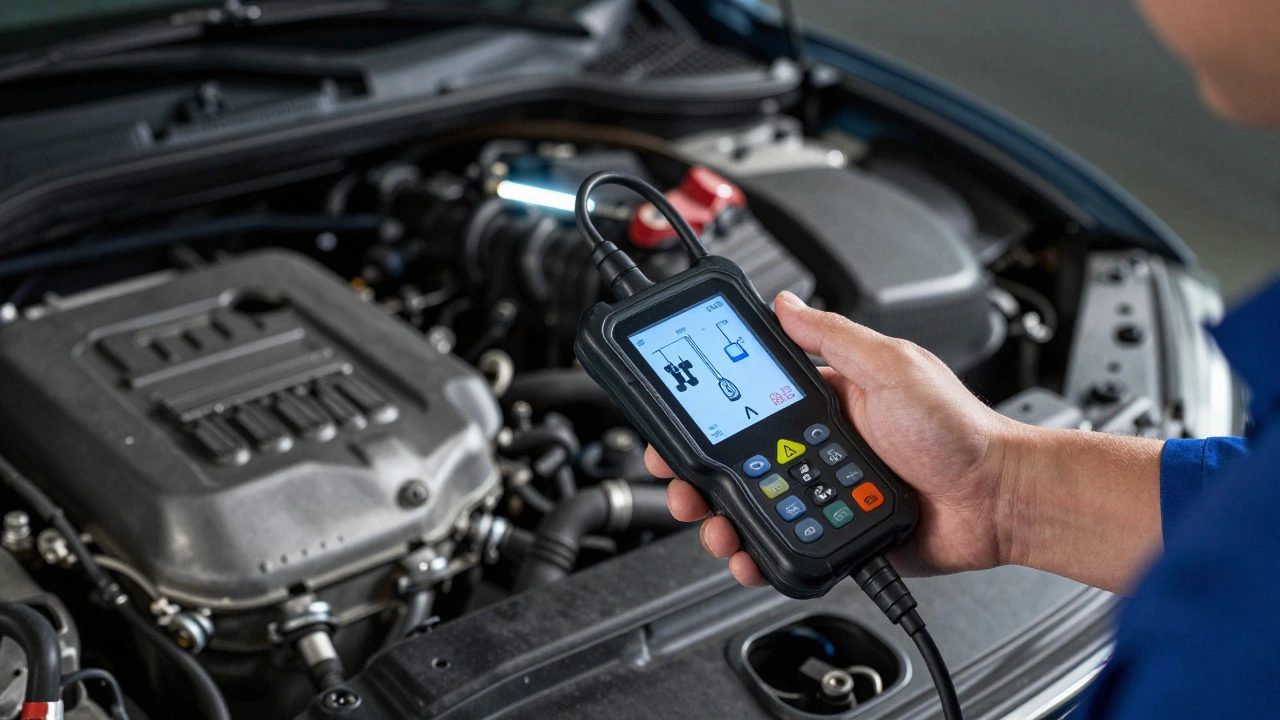
Modern cars are equipped with sophisticated sensors that monitor every aspect of engine performance. When the fuel system deviates from expected parameters, the Check Engine Light illuminates. Common codes associated with fuel pump issues include P0087 (Fuel Rail/System Pressure Too Low) and P0190 (Fuel Rail Pressure Sensor Circuit).
These codes tell you exactly what’s wrong without guessing. A mechanic can plug in a scanner and see immediate evidence of low fuel pressure. Even if the car seems to run okay otherwise, these codes shouldn’t be ignored. They indicate that the computer has detected a problem that could worsen rapidly.
Some drivers disconnect the battery to reset the light, hoping the issue goes away. But the underlying mechanical fault remains. The code will return, and the risk of sudden failure increases.
| Symptom | Cause | Severity Level | Action Required |
|---|---|---|---|
| Hard Starting | Low initial pressure | Moderate | Inspect pump prime function |
| Loss of Power Under Load | Inadequate flow rate | High | Test fuel pressure dynamically |
| Stalling at Speed | Intermittent pressure drop | Critical | Immediate replacement recommended |
| Surging | Unregulated pressure spikes | Moderate | Check regulator and pump integrity |
| Whining Noise | Internal wear/overheating | Moderate | Replace before catastrophic failure |
Preventive Measures and Maintenance Tips
While fuel pumps are designed to last many years, their lifespan depends heavily on usage habits and environmental factors. Keeping your gas tank above a quarter full helps submerge the pump in cool fuel, reducing heat buildup and extending its life. Avoid running the engine dry whenever possible.
Regularly replacing your fuel filter (if your vehicle has one accessible externally) ensures clean fuel reaches the pump. Contaminants like rust, dirt, or debris can clog the inlet screen, forcing the pump to work harder and leading to premature failure. Most manufacturers recommend checking or replacing filters every 30,000 to 60,000 miles, depending on driving conditions.
Additionally, using high-quality fuel from reputable stations reduces the chance of introducing harmful additives or contaminants that degrade internal components over time.
When to Replace vs. Repair
In most cases, repairing a fuel pump isn’t feasible. Modern units are sealed assemblies containing the motor, impeller, and sometimes the sending unit. Once any internal part fails, the entire module must be replaced. Attempting to fix individual components often results in leaks or further damage.
If you suspect your fuel pump is failing based on the symptoms described above, consult a professional technician immediately. They can perform a simple fuel pressure test using a gauge connected to the service port on the fuel rail. Readings below manufacturer specifications confirm the need for replacement.
Delaying replacement risks leaving you stranded unexpectedly. Proactive replacement costs far less than towing fees and potential secondary damage caused by running the engine lean for extended periods.
How long does a fuel pump typically last?
Most fuel pumps last between 100,000 and 150,000 miles, though some may fail earlier due to poor fuel quality or frequent short trips. Others can exceed 200,000 miles with proper care.
Can a bad fuel pump cause check engine light?
Yes. Low fuel pressure triggers codes such as P0087 or P0190, which illuminate the check engine light. These codes specifically relate to fuel delivery problems.
Is it safe to drive with a failing fuel pump?
No. Driving with a failing fuel pump risks sudden stalling, especially at high speeds or in traffic, posing serious safety hazards. Immediate inspection is advised.
What causes a fuel pump to fail prematurely?
Common causes include contaminated fuel, running the tank too low frequently, electrical issues affecting voltage supply, and general wear over time.
How much does it cost to replace a fuel pump?
Replacement costs vary widely depending on vehicle make and model, ranging from $400 to $1,000 including labor. Luxury brands or complex access requirements may increase prices significantly.