Fuel Pump Failure Diagnostic Tool
Select the symptoms you are currently experiencing with your vehicle to determine if your fuel pump is likely failing.
Select symptoms on the left to get a diagnosis regarding your fuel pump health.
Your car starts fine one morning, but by midday it feels like it’s gasping for air. You press the accelerator, and instead of surging forward, the engine hesitates or dies completely. It’s a frustrating scenario that leaves many drivers wondering if they’re dealing with a simple clog or something more serious. Often, the culprit is hidden deep within your fuel tank: a failing fuel pump. The fuel pump is an electric motor responsible for moving gasoline from the tank to the engine at high pressure. Without this steady stream of fuel, combustion cannot occur, and your vehicle simply won’t run. Unlike other components that might rattle or leak before giving up entirely, a dying fuel pump often sends subtle signals first. Recognizing these early warning signs can save you from being stranded on the side of the road.
In this guide, we’ll break down exactly how your car behaves when the fuel pump is on its last legs. We will look at the specific symptoms, explain why they happen, and help you distinguish between a bad pump and other common issues like dirty filters or faulty injectors.
The High-Pitched Whine From the Tank
One of the most distinct indicators of a struggling fuel pump is an unusual noise coming from the rear of your vehicle. Modern cars use electric fuel pumps located inside the gas tank. These pumps are designed to be relatively quiet, aided by the cooling effect of the surrounding gasoline. However, as the internal bearings wear out or the motor begins to fail, friction increases. This creates a loud whining, humming, or buzzing sound that you can hear even when the car is idling.
If you park the car in a quiet garage and turn the key to the "on" position (without starting the engine), you should hear a brief hum lasting two to three seconds as the system pressurizes. If that hum sounds louder than usual, harsher, or continues longer than expected, your pump is working harder than it should to maintain pressure. This noise is often the first clue that mechanical wear is taking its toll.
Hesitation and Surging During Acceleration
When you step on the gas pedal, your engine demands more fuel to generate power. A healthy fuel pump responds instantly, delivering the required volume of gasoline to keep the air-fuel mixture balanced. But if the pump is weakening, it may struggle to meet this sudden demand. The result is a noticeable hesitation or lag. You press the pedal, but the car doesn’t respond immediately. Instead, it might jerk slightly or feel sluggish before finally picking up speed.
This symptom often worsens under heavy loads, such as climbing a steep hill or merging onto a highway at high speeds. In some cases, you might experience "surging," where the engine RPMs fluctuate unpredictably without you touching the accelerator. This happens because the pump is intermittently losing pressure, causing the engine to starve momentarily and then recover when pressure stabilizes. It’s a dangerous feeling, especially in traffic, and it points directly to inconsistent fuel delivery.
Sudden Stalling While Driving
If hesitation is a mild form of fuel starvation, stalling is the severe version. When the fuel pump fails completely or drops below the minimum pressure required for ignition, the engine cuts off abruptly. This isn’t a gentle shutdown; it’s an immediate loss of power. The steering wheel becomes heavy, the brakes lose their power assist, and the car coasts to a stop. This is particularly alarming if it happens while you’re driving at speed.
Stalling caused by a bad fuel pump is different from stalling due to a misfire or sensor issue. With a fuel problem, the engine usually cranks normally afterward but won’t start until the pump regains enough pressure-or not at all if it has failed entirely. If your car stalls repeatedly under load or after sitting for a short time, the pump’s internal components are likely overheating or seizing up.
Difficulty Starting or No-Start Condition
A classic sign of a dead fuel pump is the inability to start the car. You turn the key, and you hear the starter motor crank the engine, but nothing else happens. There’s no sputter, no cough, just silence from the exhaust. Many drivers mistake this for a bad battery or alternator, but those issues usually present with clicking sounds or dim lights. If your electrical systems work fine but the engine refuses to fire, check the fuel delivery.
To test this, listen closely when you turn the key to the "on" position. If you don’t hear the characteristic whirring of the pump priming, the issue could be electrical (a blown fuse or relay) or mechanical (the pump itself). Even if the pump runs, it might not be building enough pressure to ignite the fuel. In modern vehicles, a complete lack of fuel pressure will trigger a check engine light, though not always immediately.
Engine Sputtering at High Speeds
At low speeds, your engine requires less fuel, so a weak pump might still manage to keep things running smoothly. But as you accelerate to highway speeds, the demand spikes. A deteriorating pump may not keep up, leading to engine sputtering. This feels like the car is running out of breath, with the engine shaking or vibrating unevenly. You might notice the RPM gauge dipping erratically.
This sputtering is distinct from backfiring, which is often related to ignition timing or exhaust leaks. Fuel-related sputtering occurs because the injectors aren’t receiving a consistent spray pattern. Instead of a fine mist, they get irregular bursts of fuel, disrupting the combustion process. If this only happens above 40 mph or during rapid acceleration, suspect the fuel pump before looking at spark plugs or oxygen sensors.

Check Engine Light and Diagnostic Codes
Modern cars are equipped with sophisticated onboard computers that monitor fuel pressure via sensors. When the pressure drops outside the normal range, the computer logs a fault code and illuminates the Check Engine Light. Common codes associated with fuel pump failure include P0087 (Fuel Rail/System Pressure Too Low) and P0190 (Fuel Rail Pressure Sensor Circuit Malfunction).
While these codes don’t definitively prove the pump is broken-they could also indicate a clogged filter or leaking injector-they narrow down the search significantly. Ignoring these codes can lead to further damage, as running an engine lean (too much air, not enough fuel) generates excessive heat in the cylinders, potentially damaging pistons and valves over time.
Distinguishing Between Pump Failure and Other Issues
Not every driving hiccup means your fuel pump is dead. Several other components can mimic these symptoms, leading to unnecessary repairs if you jump to conclusions. Here is how to tell the difference:
- Clogged Fuel Filter: Like a weak pump, a dirty filter restricts flow. However, filters usually cause gradual performance loss rather than sudden noises. Replacing the filter is cheap and easy, so it’s a good first step before condemning the pump.
- Faulty Mass Air Flow (MAF) Sensor: A bad MAF sensor sends incorrect data about incoming air, causing the computer to miscalculate fuel delivery. This leads to rough idling and poor acceleration but typically doesn’t cause the high-pitched whine of a failing pump.
- Dirty Fuel Injectors: Clogged injectors can cause misfires and sputtering, but the engine usually still starts easily. Cleaning or replacing injectors resolves these issues without addressing the pump.
- Battery or Alternator Problems: Electrical issues can prevent the pump from running, but they also affect lights, radio, and windows. If only the engine won’t start but electronics work, focus on fuel delivery.
To isolate the fuel pump, mechanics often perform a fuel pressure test using a gauge connected to the service port on the fuel rail. If the pressure reads below manufacturer specifications (usually between 30-65 PSI depending on the vehicle), and the pump is making noise, replacement is likely necessary.
| Symptom | Likely Cause | Key Differentiator |
|---|---|---|
| High-pitched whine from rear | Failing Fuel Pump | Noise changes with RPM; absent in other issues |
| Hesitation under load | Fuel Pump or Clogged Filter | Pump often noisy; filter causes gradual decline |
| Rough idle, no noise | Bad Spark Plugs or MAF Sensor | Electrical or air-flow issue, not fuel pressure |
| Car won’t start, no prime sound | Dead Pump or Blown Fuse | Check fuses first; if fuse is good, pump is suspect |
| Sputtering at high speed | Weak Pump or Leaking Injector | Pump struggles with volume; injector leaks cause rich smell |
Preventive Measures to Extend Fuel Pump Life
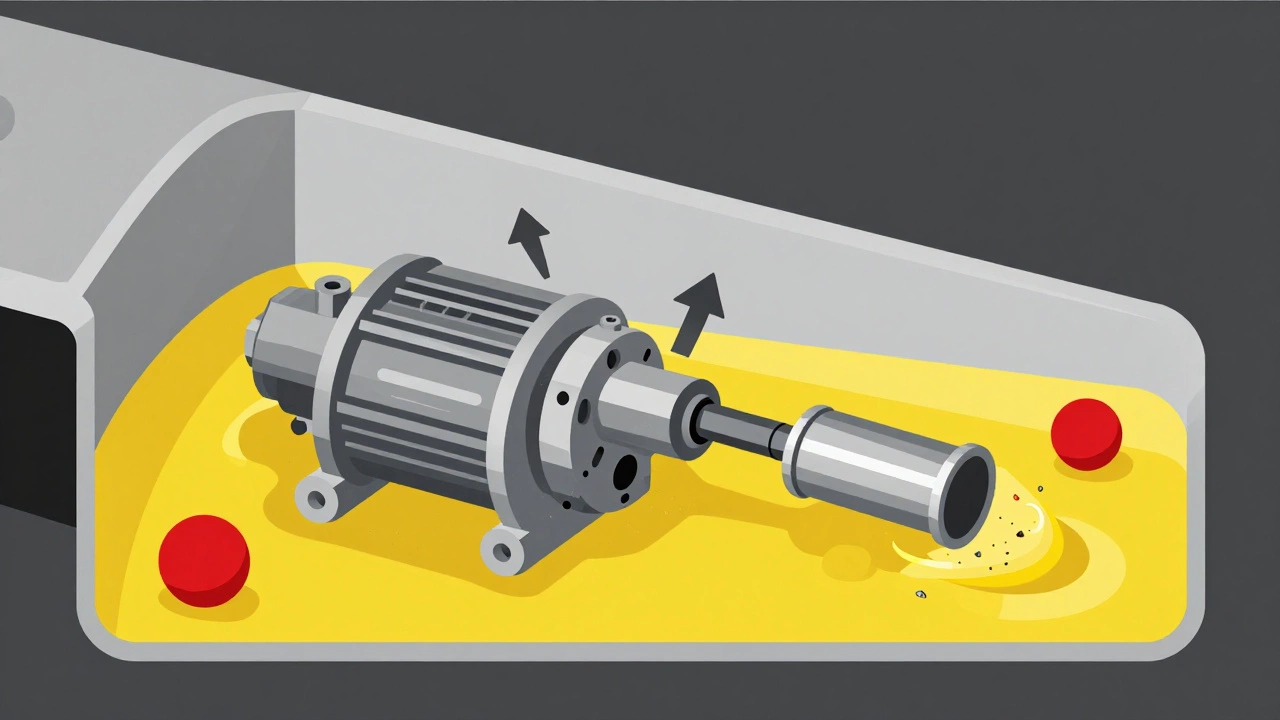
While fuel pumps are durable, they don’t last forever. Average lifespan ranges from 100,000 to 150,000 miles, but proper maintenance can push this higher. One critical habit is never letting your gas tank drop below a quarter full. The fuel pump relies on gasoline for cooling and lubrication. Running on empty exposes the pump to air, causing it to overheat and wear out faster. Sediment and debris at the bottom of the tank can also be sucked into the pump when levels are low, accelerating clogging.
Additionally, keeping the fuel filter clean ensures unrestricted flow, reducing strain on the pump. Use high-quality fuel to minimize contaminants, and address any fuel system warnings promptly. If you notice increased noise or slight hesitation, have the system checked before a total failure strands you.
How much does it cost to replace a fuel pump?
Replacement costs vary widely based on vehicle make and model. For most standard cars, parts and labor range from $400 to $800. Luxury vehicles or models with hard-to-access tanks can exceed $1,000. DIY replacement saves labor costs but requires removing the fuel tank or accessing it through the trunk floor, which involves safety precautions regarding flammable vapors.
Can I drive my car if the fuel pump is failing?
It is not recommended. A failing pump can cause sudden stalling, leaving you stranded in unsafe conditions. Continued use can also damage the engine due to lean fuel mixtures, leading to costly repairs beyond just the pump. If symptoms are mild, drive gently to a repair shop immediately.
Does a bad fuel pump affect gas mileage?
Yes. If the pump delivers inconsistent pressure, the engine control unit may compensate by injecting more fuel to maintain performance, lowering efficiency. Conversely, if the pump is too weak, the engine runs lean, which can cause rough running and potential long-term damage, indirectly affecting overall economy.
What causes a fuel pump to fail prematurely?
Common causes include running the tank too low frequently (overheating), contaminated fuel (clogging), electrical issues (voltage spikes), and natural wear over time. Ethanol-blended fuels can sometimes contribute to corrosion in older systems if not properly maintained.
Is the fuel pump located in the engine or the tank?
In most modern vehicles, the fuel pump is submerged inside the fuel tank. This placement helps cool the pump and reduces vapor lock risks. Older cars sometimes had external pumps near the engine, but these are rare today. Accessing the internal pump often requires dropping the tank or removing seats/trunk panels.