Car Radiator Lifespan & Risk Calculator
Estimated Remaining Life
Risk Level
Warning Signs Detected
Replacement Cost Estimate
Recommended Actions
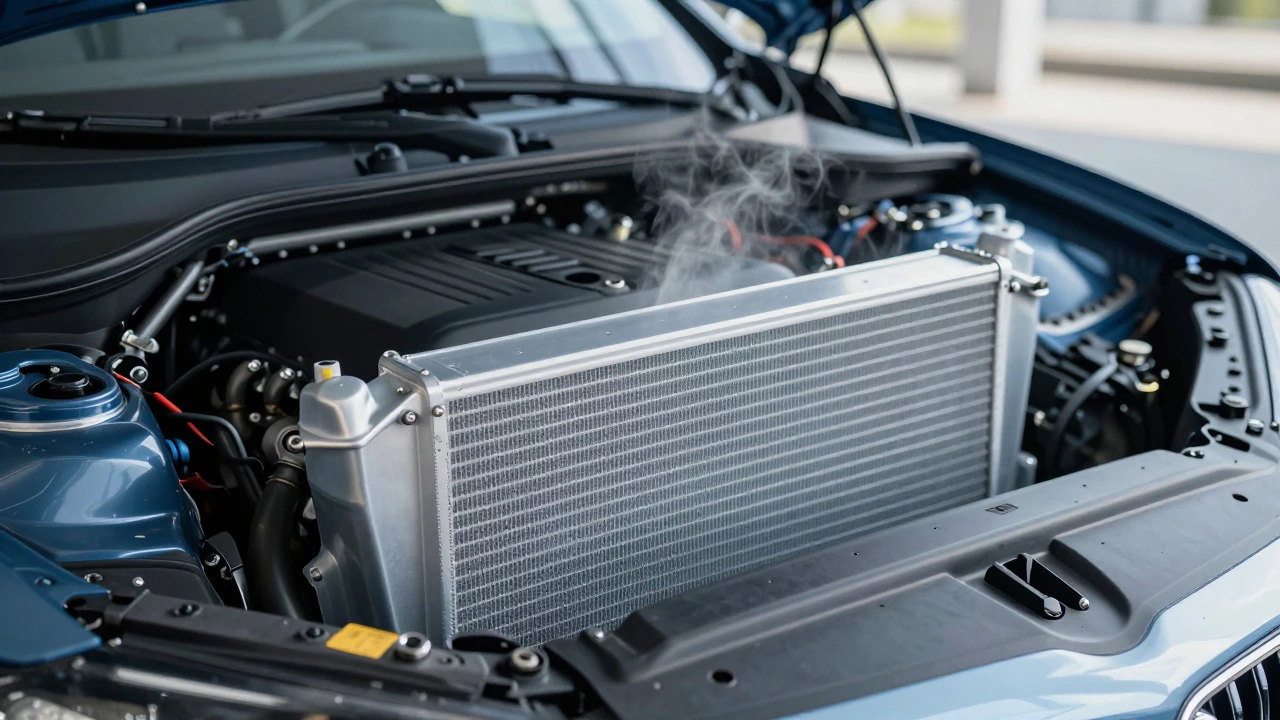
Your car’s engine is basically a controlled explosion happening thousands of times a minute. Without something to manage that heat, the metal would warp, seize, or crack within minutes. That job falls to the car radiator, which acts as the primary heat exchanger in your vehicle's cooling system. But here is the question every driver worries about: how long will this critical component actually last before it fails?
The short answer is that most modern radiators are designed to last between 8 to 10 years or roughly 100,000 to 150,000 miles. However, "designed to" doesn't always mean "will." I’ve seen brand-new aluminum radiators fail after just three years due to poor coolant quality, and I’ve also driven vehicles with original factory radiators past the 200,000-mile mark. The difference usually comes down to maintenance habits, driving conditions, and the specific materials used in the unit.
Why Radiators Don't Have an Exact Expiration Date
Unlike brake pads, which wear down predictably based on mileage, a radiator doesn't have a single moving part that grinds away. Instead, it suffers from internal corrosion, external physical damage, and seal degradation. This makes its lifespan highly variable. To understand why your radiator might die early-or live longer than expected-you need to look at what it’s made of and how it works.
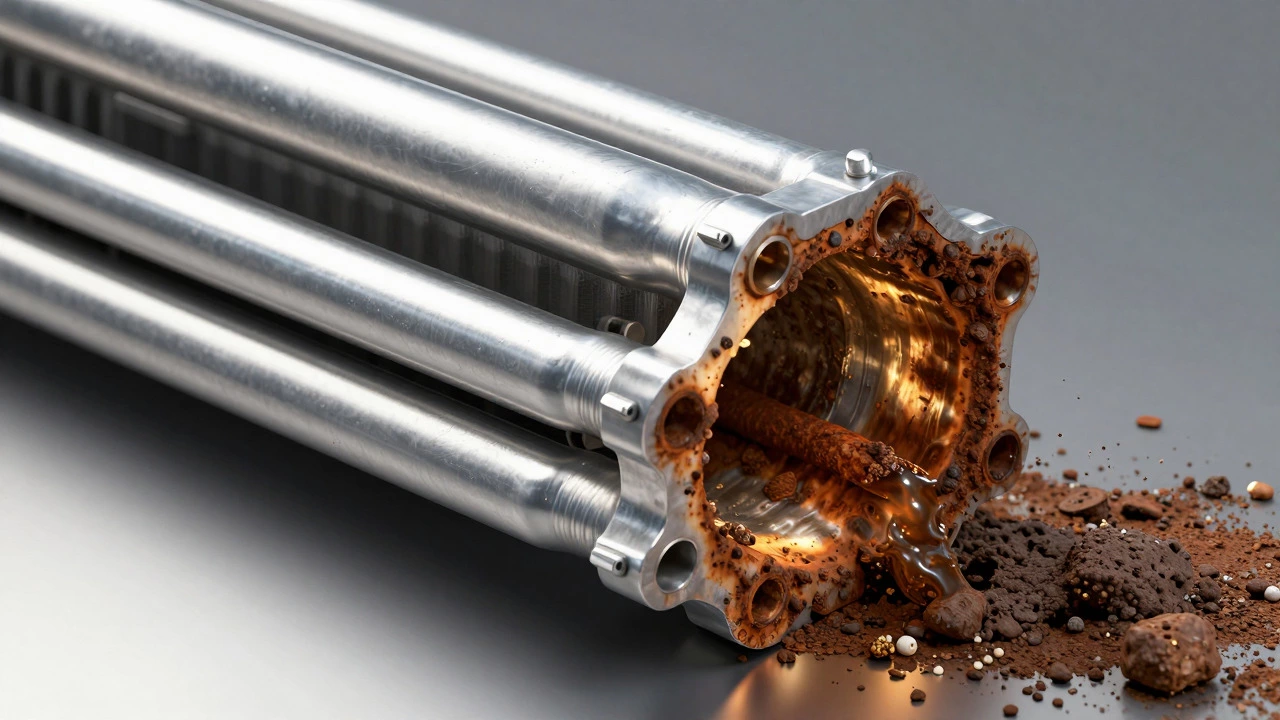
Most cars built since the late 1990s use aluminum radiators. Aluminum is lightweight and efficient at transferring heat, but it is chemically reactive. If the coolant mix isn’t correct, aluminum can corrode from the inside out. Older vehicles often used copper and brass, which are heavier but far more resistant to chemical breakdown. A copper radiator could easily last 15+ years if maintained, whereas an aluminum one might start leaking internally by year seven if neglected.
| Material Type | Average Lifespan (Years) | Average Lifespan (Miles) | Key Vulnerability |
|---|---|---|---|
| Aluminum | 8 - 10 years | 100,000 - 150,000 | Internal corrosion, plastic tank leaks |
| Copper/Brass | 12 - 15+ years | 150,000 - 200,000+ | Physical impact, weight stress |
| Hybrid (Al/Cu) | 10 - 12 years | 120,000 - 160,000 | Galvanic corrosion at joints |
The Three Main Killers of Radiator Life
If you want to extend the life of your cooling system, you have to fight against these three specific enemies. Ignoring any one of them will shorten your radiator's lifespan significantly.
- Dirty or Old Coolant: Coolant isn't just antifreeze; it contains additives called inhibitors that prevent rust and corrosion. These inhibitors break down over time. Once they’re gone, the water in the mixture starts eating away at the aluminum fins and internal tubes. Most manufacturers recommend flushing the coolant every 30,000 to 50,000 miles. Skipping this is the number one reason radiators fail prematurely.
- Physical Damage: The front of your car takes a beating. Road debris, rocks, and even large insects can clog or puncture the delicate aluminum fins. While small bends can sometimes be straightened, cracked tanks or ruptured cores require immediate replacement. Living in areas with heavy construction or unpaved roads accelerates this wear.
- Overheating Events: Every time your engine runs hot, the pressure inside the cooling system spikes. Modern systems operate at pressures around 15-16 PSI. Repeated overheating stresses the plastic end tanks (the reservoirs on either side of the core). Plastic becomes brittle with age and heat cycles, leading to cracks and leaks along the seams where the plastic meets the metal core.
Signs Your Radiator Is Near the End of Its Life
You don’t need to guess when your radiator is failing. It will give you clear warning signs. Catching these early can save you from a blown head gasket or a warped cylinder head-repairs that cost ten times more than a simple radiator swap.
- Visible Leaks: Look under your parked car. Puddles of green, orange, or pink fluid are not normal. Even a slow drip indicates a breach in the tank or core.
- Rust or Debris in the Overflow Tank: Pop the hood and check the translucent coolant reservoir. If the fluid looks like chocolate milk or has flakes floating in it, your radiator is corroding internally. Those particles will eventually clog the narrow passages in the core.
- Engine Running Hotter Than Usual: If your temperature gauge creeps into the red zone during normal highway driving, your radiator isn't dissipating heat efficiently. This could be due to clogged fins or internal blockage.
- Discolored Oil: In some older designs, a failed radiator seal can allow coolant to mix with engine oil. Check your dipstick; if the oil looks milky or frothy, shut the engine off immediately.
Does Driving Style Affect Radiator Longevity?
Yes, surprisingly so. How you drive changes the thermal load on your cooling system. City drivers who spend hours in stop-and-go traffic put more strain on their radiators than highway commuters. At idle, there is less airflow through the grille, forcing the electric cooling fans to work harder. If those fans fail or struggle, the radiator sits stagnant, boiling the coolant inside.
Towing heavy loads or driving in extreme desert heat also pushes the system to its limits. If you frequently tow a trailer or live in a region where summer temps exceed 100°F (38°C), expect your radiator to age faster. In these scenarios, upgrading to a high-performance aftermarket radiator with larger core thickness can add several years of life compared to the stock unit.
Replacement Costs and Value Considerations
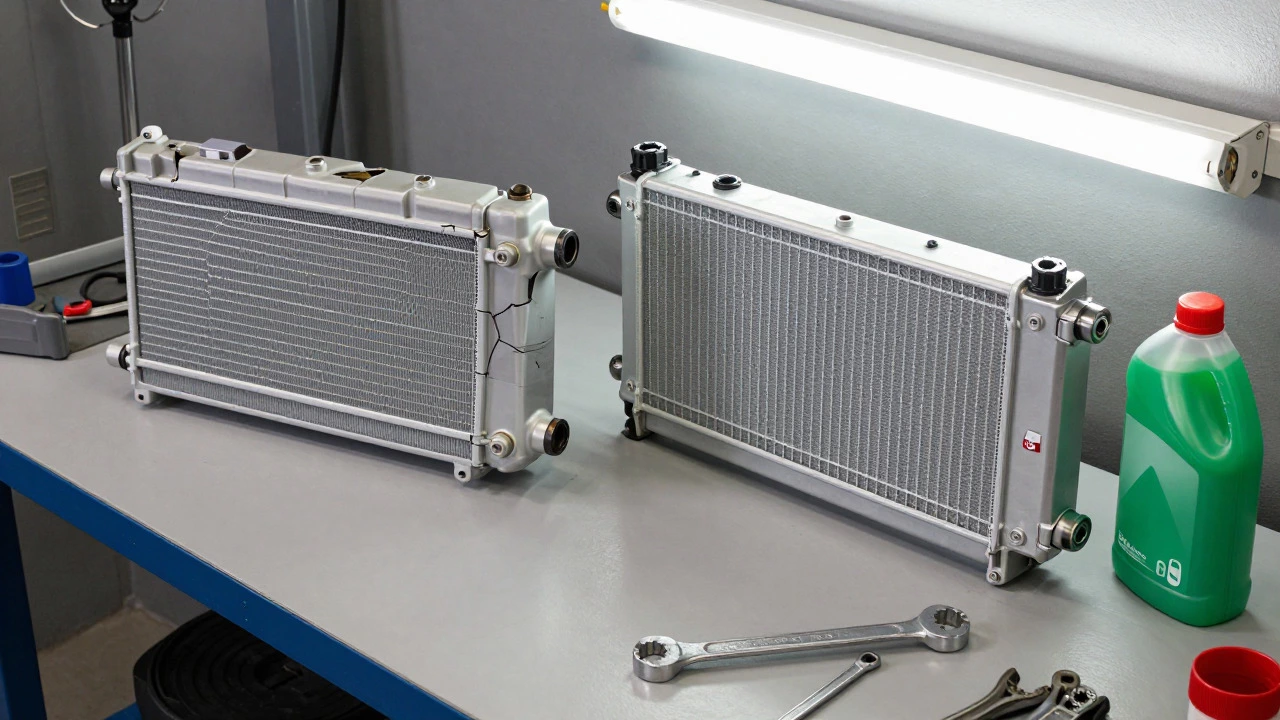
When the time comes to replace a radiator, the cost varies wildly depending on whether you choose OEM (Original Equipment Manufacturer) parts or aftermarket alternatives. An OEM radiator for a common sedan might cost $400-$600 for the part alone, while a generic aftermarket unit could be half that price. Labor typically adds another $150-$300, plus the cost of new coolant and hoses.
Is it worth replacing an old radiator on a high-mileage car? If the rest of the engine is healthy, yes. Overheating destroys engines fast. A $500 radiator repair is cheap insurance against a $3,000 engine rebuild. However, if the car has other major issues pending, you might consider a budget-friendly used pull-part or a basic aftermarket option rather than spending top dollar on OEM.
Pro Tips to Extend Radiator Life
You can actively influence how long your radiator lasts. Here are practical steps that go beyond basic maintenance:
- Use the Correct Coolant Mix: Never mix different types of coolant (e.g., Organic Acid Technology vs. Inorganic Acid Technology). They can gel up and destroy seals. Stick to what your owner's manual specifies.
- Clean the Exterior Annually: Use a garden hose with a gentle spray nozzle to wash bugs and dirt off the front of the radiator. Do this carefully to avoid bending the fins. Clogged fins reduce cooling efficiency by up to 30%.
- Inspect Hoses Regularly: Cracked or swollen hoses can cause airlocks or leaks that stress the radiator. Replace them proactively every 4-5 years.
- Check the Thermostat: A stuck thermostat forces the radiator to handle all heat dissipation continuously, accelerating wear. Replace thermostats every 60,000 miles as preventive care.
Can you repair a leaking radiator instead of replacing it?
Minor leaks in the plastic tanks can sometimes be sealed with epoxy kits, but this is rarely a permanent fix. Internal core leaks or cracks in the aluminum fins usually require full replacement. Repair attempts often fail under high pressure and heat, risking sudden failure on the road.
How do I know if my radiator is clogged?
A clogged radiator causes the engine to overheat despite having full coolant levels. You may notice the upper radiator hose feels extremely hard and hot while the lower hose remains cool, indicating flow restriction. Flushing the system can help, but severe internal clogging requires replacement.
Does using distilled water instead of tap water help?
Yes, absolutely. Tap water contains minerals like calcium and magnesium that build up scale inside the radiator tubes, reducing heat transfer. Always mix antifreeze with distilled water to prevent mineral deposits and corrosion.
What is the average cost to replace a car radiator in 2026?
As of 2026, the total cost including parts and labor ranges from $500 to $1,200 for most passenger vehicles. Luxury brands or trucks with complex cooling setups can exceed $1,500. DIY installation saves labor costs but requires proper bleeding of the cooling system to avoid air pockets.
Should I upgrade to an aluminum radiator if my car came with copper?
Not necessarily. Copper radiators are durable and easy to repair. Switching to aluminum reduces weight slightly but offers no significant performance gain unless you are modifying the engine for higher horsepower. For stock daily drivers, sticking with the manufacturer's specified material type is best.