Radiators – Keeping Your Engine Cool and Running Smoothly
When working with Radiator, the heat‑exchanging component that keeps an engine at safe temperatures. Also known as car radiator, it plays a central role in the vehicle's cooling system.
The coolant system, a network of hoses, reservoir, and fluid that transports heat away from the engine depends on a healthy radiator to release that heat. If the radiator fails, engine overheating, a condition where engine temperature exceeds safe limits can happen quickly, leading to costly damage. That's why understanding the link between radiator condition and overheating risk is key for any driver.
When to Repair, When to Replace, and When to Upgrade
Most owners wonder: is Radiator repair cheaper than swapping the whole unit? The answer hinges on the type of failure. A small leak that you can seal with epoxy or a cracked hose may be fixed in a couple of hours for a modest price. However, a warped core or corroded fins often mean replacement is the smarter move because a repaired unit might not cool efficiently, inviting overheating again.Choosing a replacement also opens the door to a radiator upgrade, a higher‑performance unit designed for better heat dissipation and sometimes increased flow. Upgraded radiators can improve fuel economy, boost engine power, and keep temperature steady under heavy loads—perfect for towing, performance driving, or hot‑climate regions. The trade‑off is a higher upfront cost, but many drivers find the long‑term benefits outweigh the price.
DIY enthusiasts often ask if swapping a radiator is a doable weekend project. The core steps involve draining the coolant, disconnecting hoses, removing the old unit, and installing the new one with fresh coolant and proper bleed. If you’re comfortable with basic hand tools and can follow a service manual, you’ll save labor fees. Still, keep an eye on common pitfalls: tightening hose clamps too much, overlooking the thermostat housing, or forgetting to purge air bubbles—any of these can reignite overheating problems.
Even after a repair or upgrade, regular maintenance makes a big difference. Checking coolant level every month, inspecting hoses for cracks, and flushing the system every two years keep the radiator and the entire cooling network in top shape. A quick visual check for rust or deposits on the radiator fins can alert you to corrosion before it turns into a leak.
Across our collection you’ll find practical advice on spotting early warning signs, budgeting for repairs versus replacements, and deciding if an upgrade matches your driving style. Whether you’re dealing with a noisy heater, a puddle of coolant under the car, or just want to squeeze extra performance out of your engine, the articles below cover the full spectrum of radiator care.
Ready to dive deeper? Below you’ll discover how to diagnose a bad radiator, compare repair and replacement costs, weigh the benefits of an upgrade, and learn step‑by‑step DIY tips. Each guide is packed with real‑world examples and clear actions you can take today to keep your engine cool and your rides reliable.
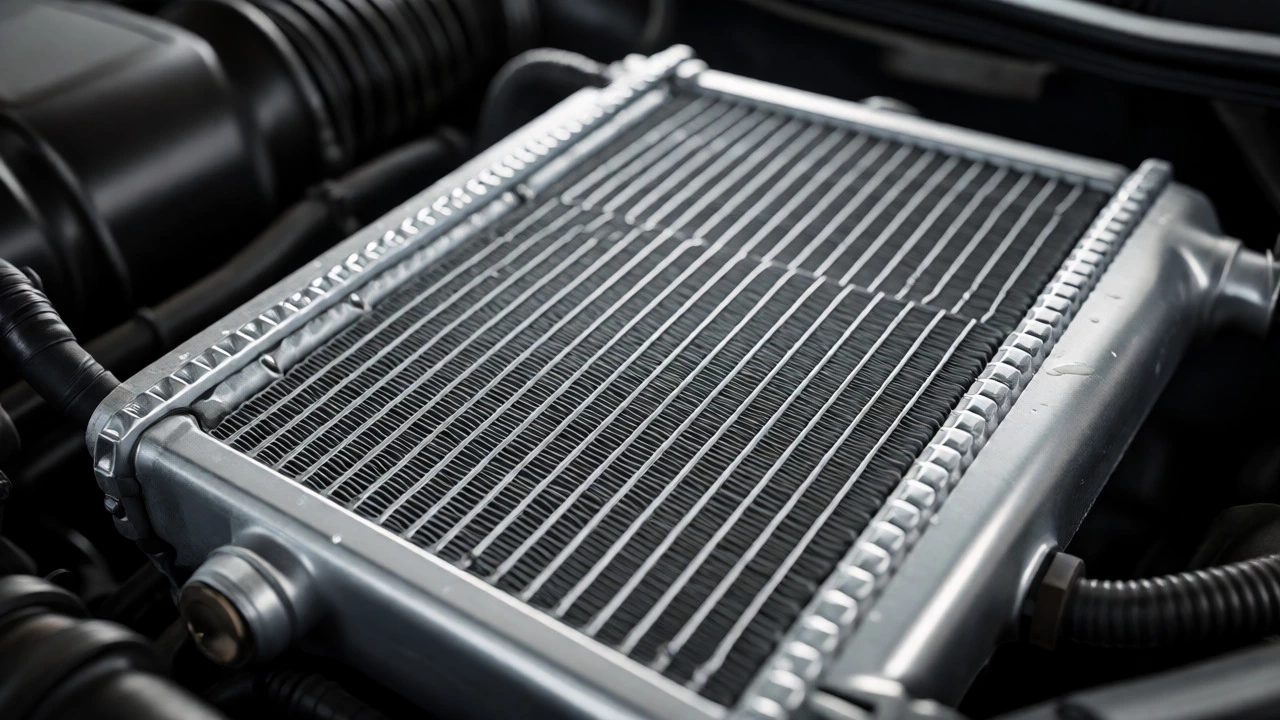
Can a Car Radiator Last 20 Years? Lifespan & Care Guide
Sep 20 2026 / RadiatorsWondering if your car radiator can survive 20 years? Discover the factors affecting lifespan, from coolant chemistry to physical wear, and learn tips to maximize durability.
VIEW MORE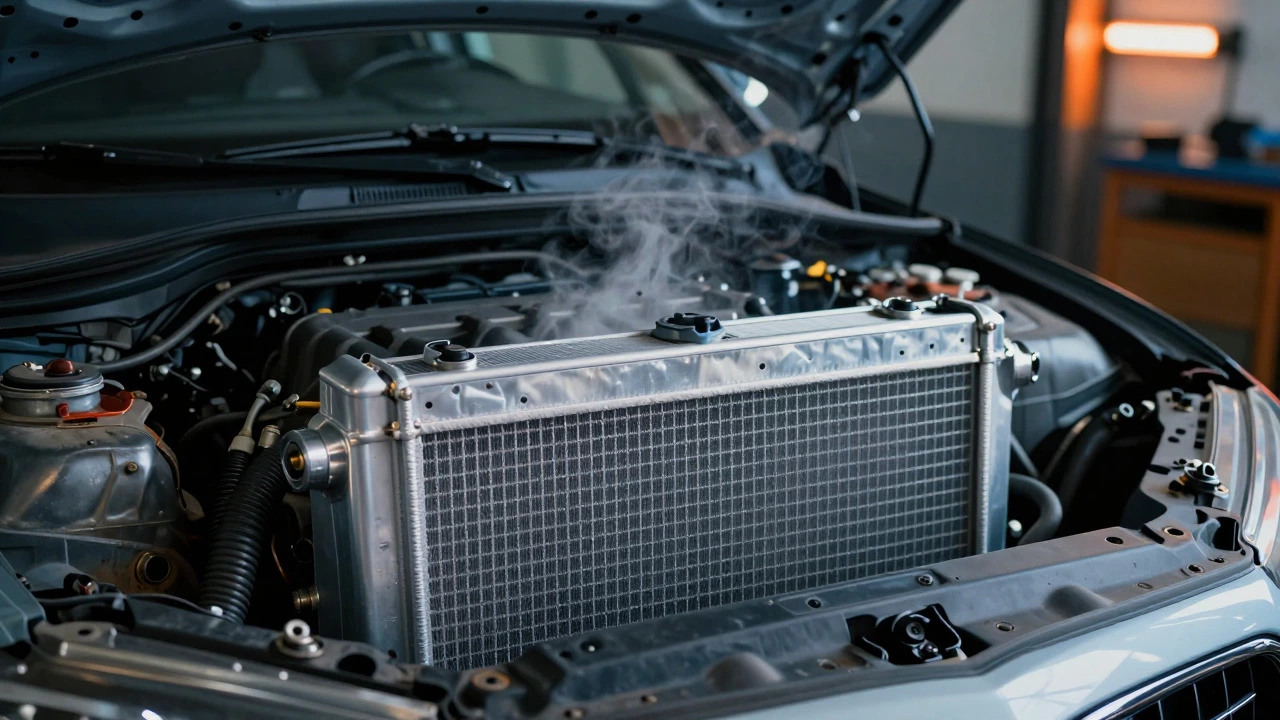
Why Do Car Radiators Fail? Causes, Signs & Fixes
Aug 17 2026 / RadiatorsDiscover why car radiators fail, from corrosion to physical damage. Learn the warning signs, prevention tips, and replacement costs to keep your engine safe.
VIEW MORE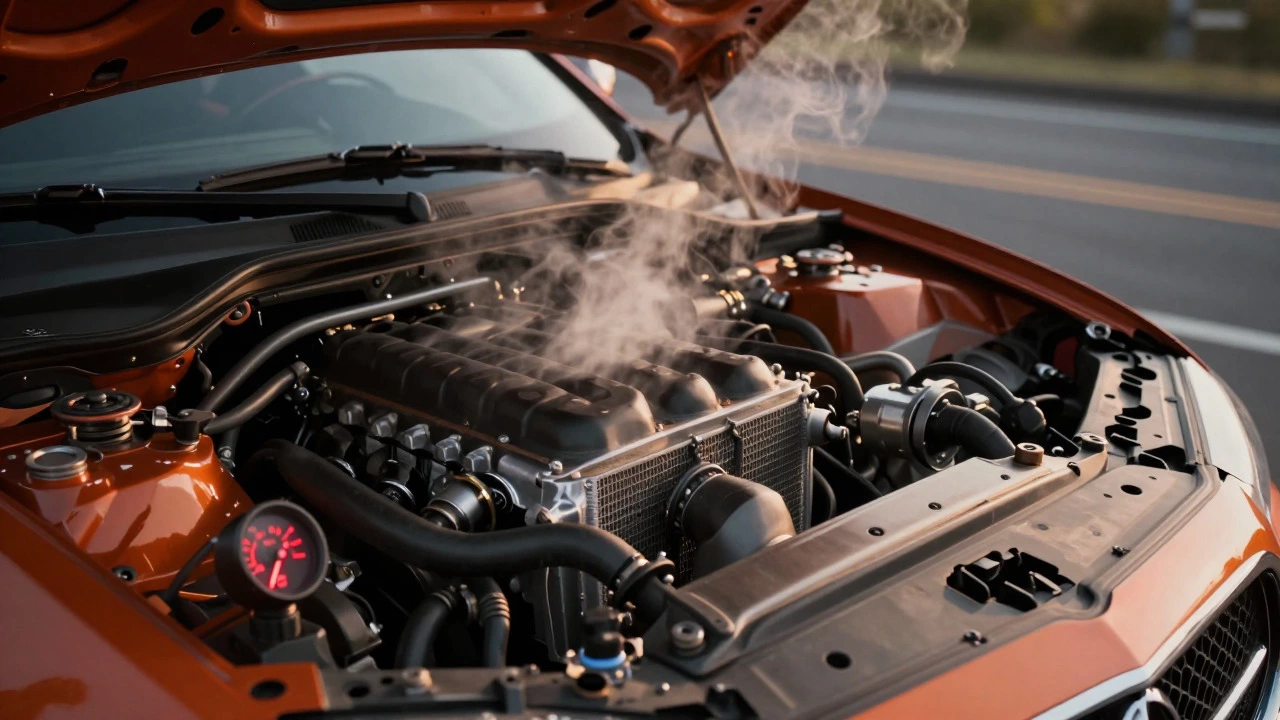
What Is the Price of a Car Radiator? Costs, Types & Buying Guide
Aug 13 2026 / RadiatorsDiscover the true cost of replacing a car radiator in 2026. Learn about part prices, labor fees, OEM vs. aftermarket options, and hidden costs to avoid budget surprises.
VIEW MORE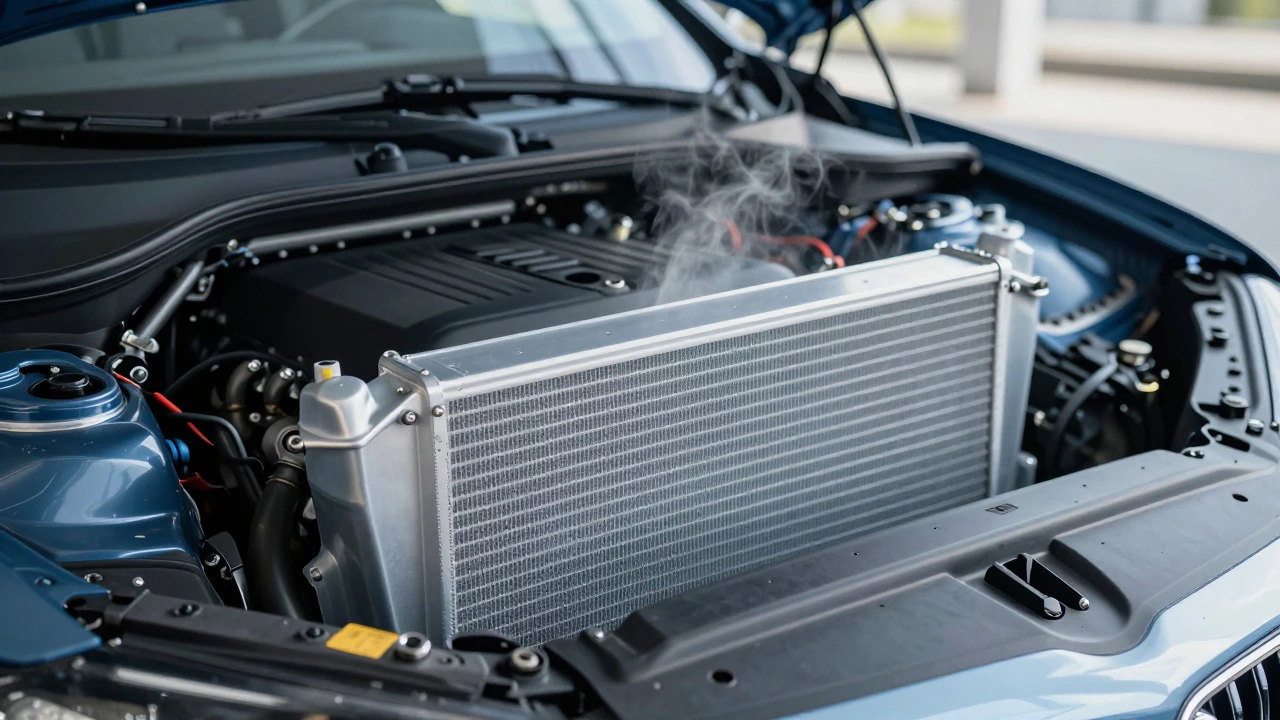
How Long Does a Car Radiator Last? Signs of Failure and Replacement Guide
Jul 30 2026 / RadiatorsDiscover the typical lifespan of a car radiator, signs of failure, and tips to extend its life. Learn about replacement costs and maintenance best practices.
VIEW MORE
How Much Do Car Radiators Cost in 2026? Parts, Labor & Hidden Fees
Jul 23 2026 / RadiatorsDiscover the true cost of car radiator replacement in 2026. We break down parts prices, labor fees, and hidden costs for economy, luxury, and SUV models. Learn when to repair vs. replace.
VIEW MORE
What are the symptoms of a bad radiator? Signs to watch for
Jun 18 2026 / RadiatorsSpot a bad radiator early to avoid costly engine damage. Learn key symptoms like overheating, coolant leaks, steam, and sweet smells. Get practical tips on diagnosis, repair costs, and maintenance for UK drivers.
VIEW MORE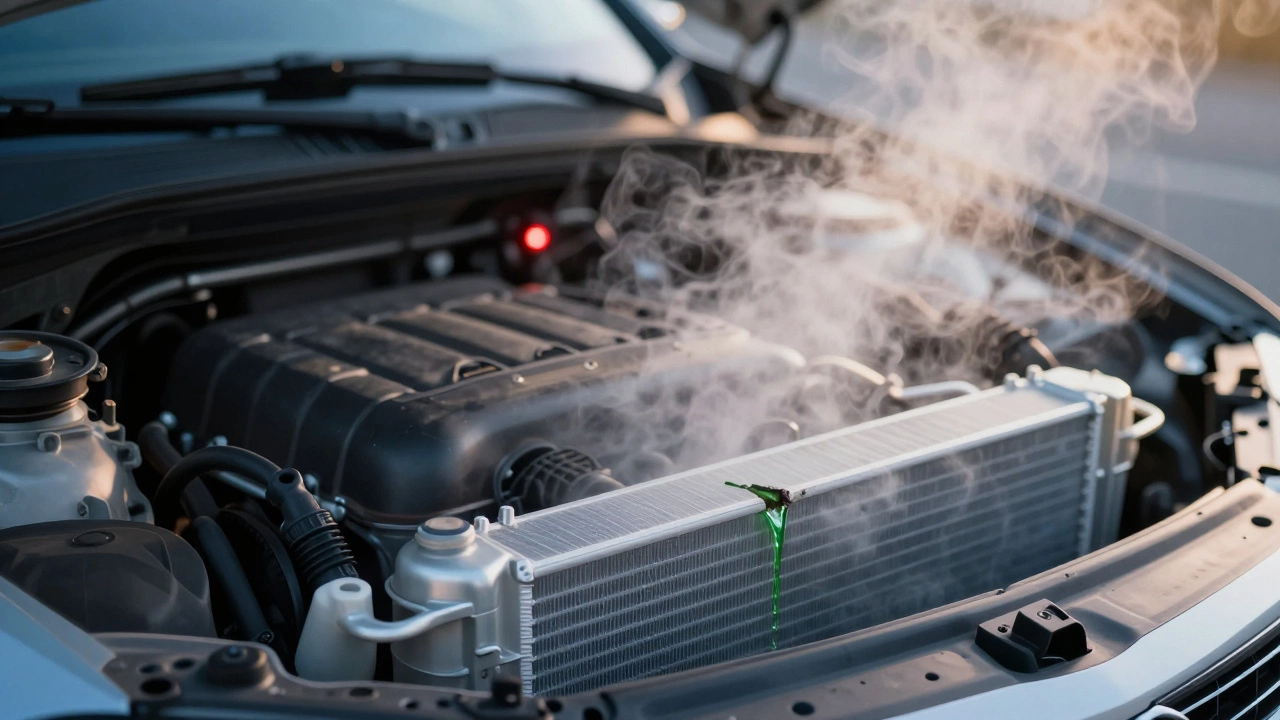
Can You Fix a Car Radiator? Repair vs. Replacement Guide
Jun 8 2026 / RadiatorsCan you fix a car radiator without replacing it? Learn when DIY repairs like epoxy or flushing work for minor leaks, and when core damage requires full replacement to avoid engine failure.
VIEW MORE
How Long to Replace a Car Radiator: Time, Cost & DIY Guide
Jun 1 2026 / RadiatorsFind out exactly how long it takes to replace a car radiator. We break down DIY vs pro times, costs, and hidden steps that affect your schedule.
VIEW MORE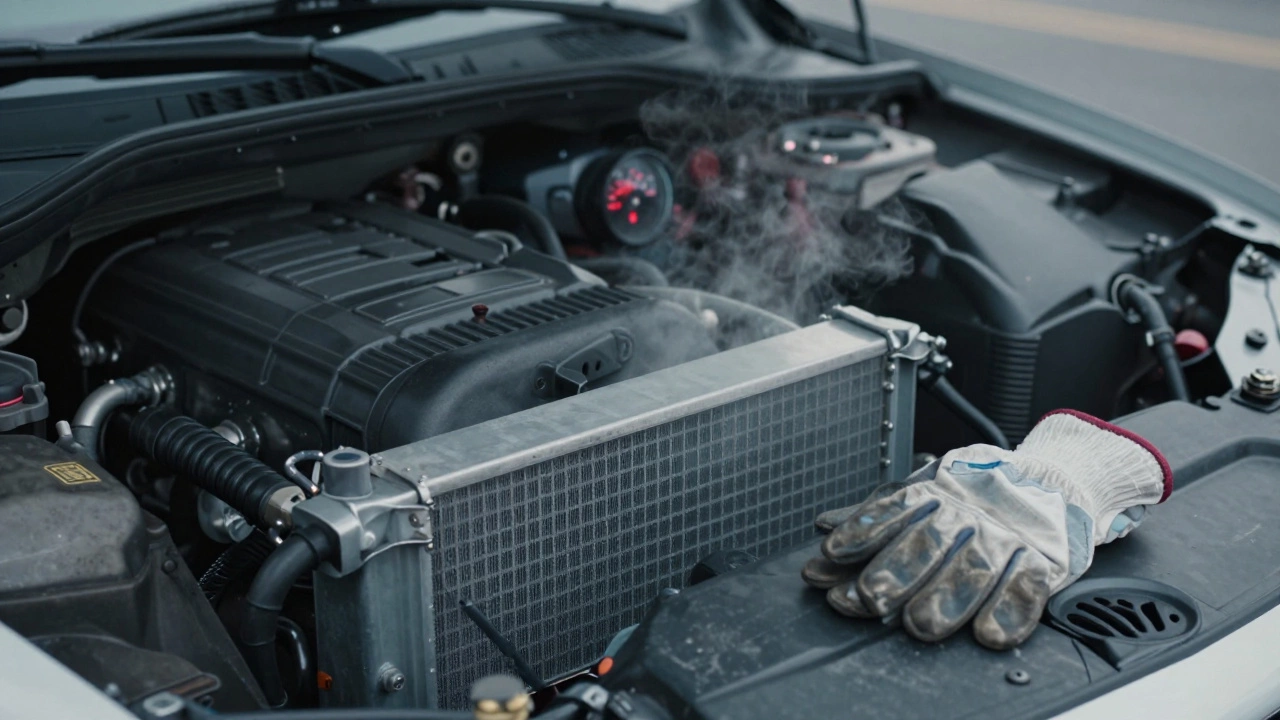
Can You Replace a Car Radiator Yourself? A DIY Guide
May 3 2026 / RadiatorsLearn how to replace a car radiator yourself with this practical guide. Save money on labour costs by following our step-by-step instructions for draining, swapping, and bleeding your cooling system safely.
VIEW MORE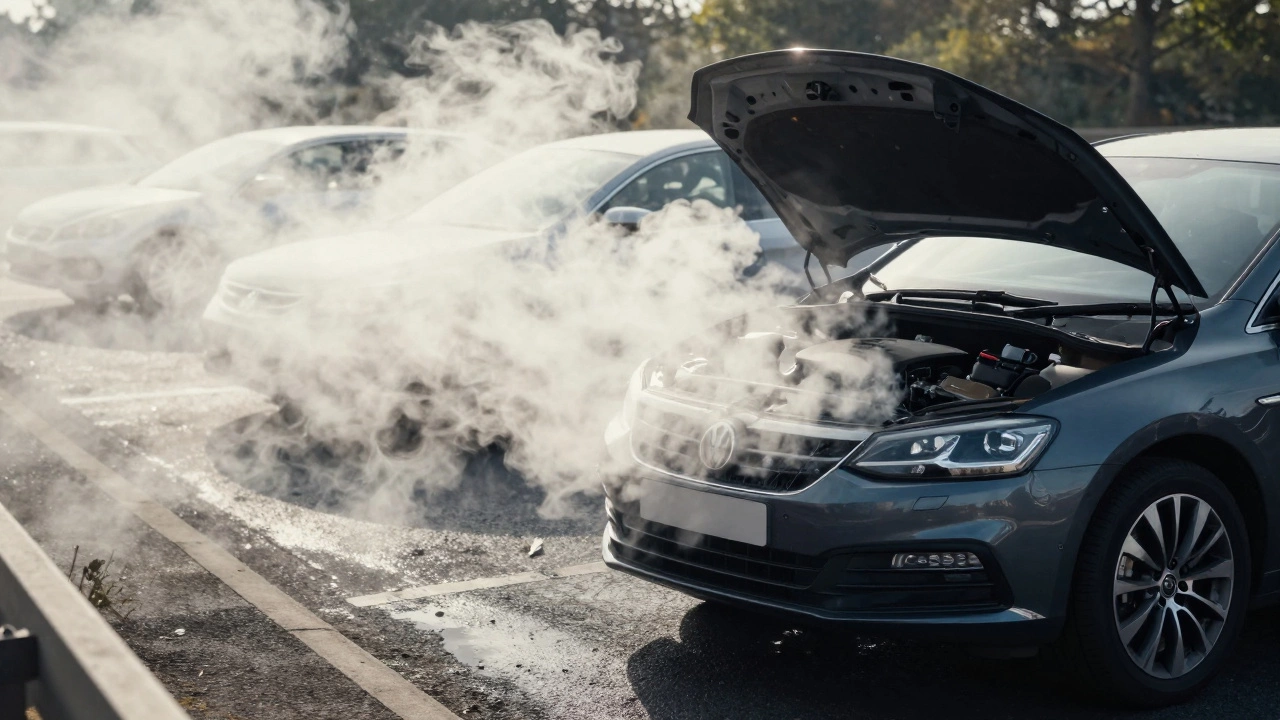
Signs Your Car Radiator is Failing: How to Spot a Bad Radiator
Apr 20 2026 / RadiatorsLearn how to identify a failing car radiator through coolant leaks, overheating, and sweet smells. Expert tips on spotting bad radiator symptoms early.
VIEW MORE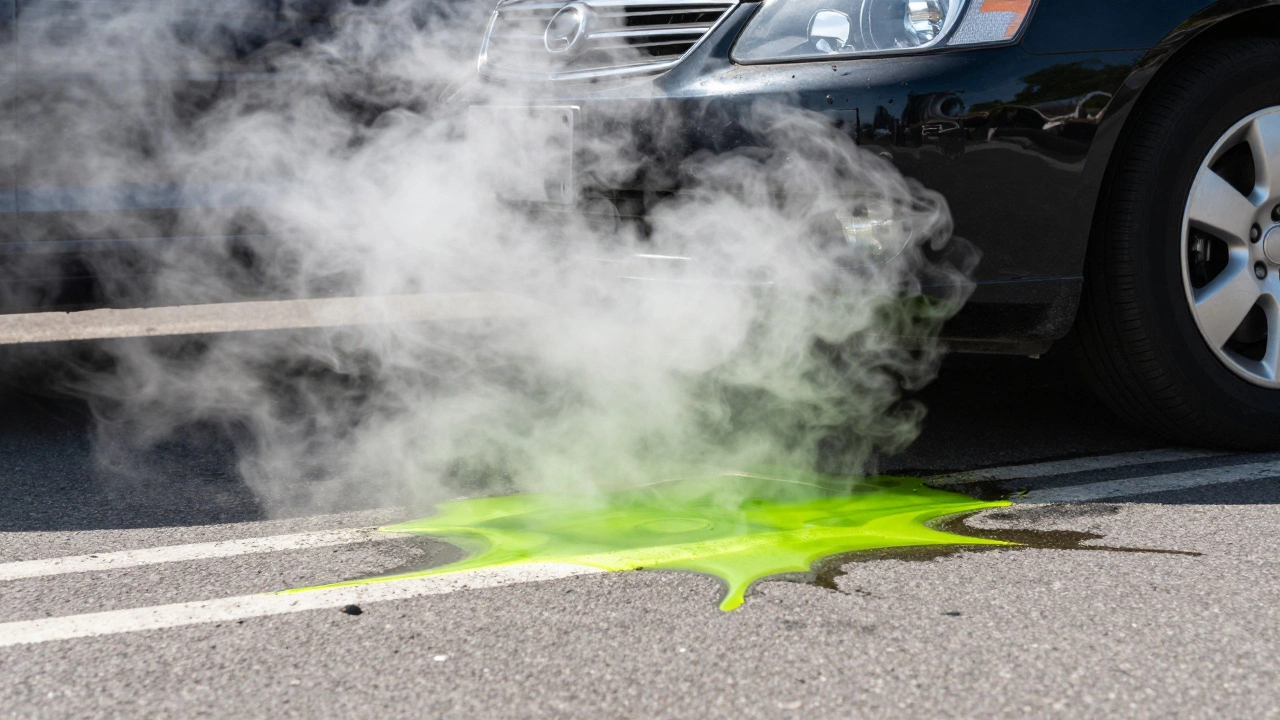
Car Radiator Replacement Cost: Price Guide and Breakdown
Apr 19 2026 / RadiatorsWondering how much a new car radiator costs? Find out the average prices for parts and labor, OEM vs aftermarket options, and hidden fees in our detailed guide.
VIEW MORE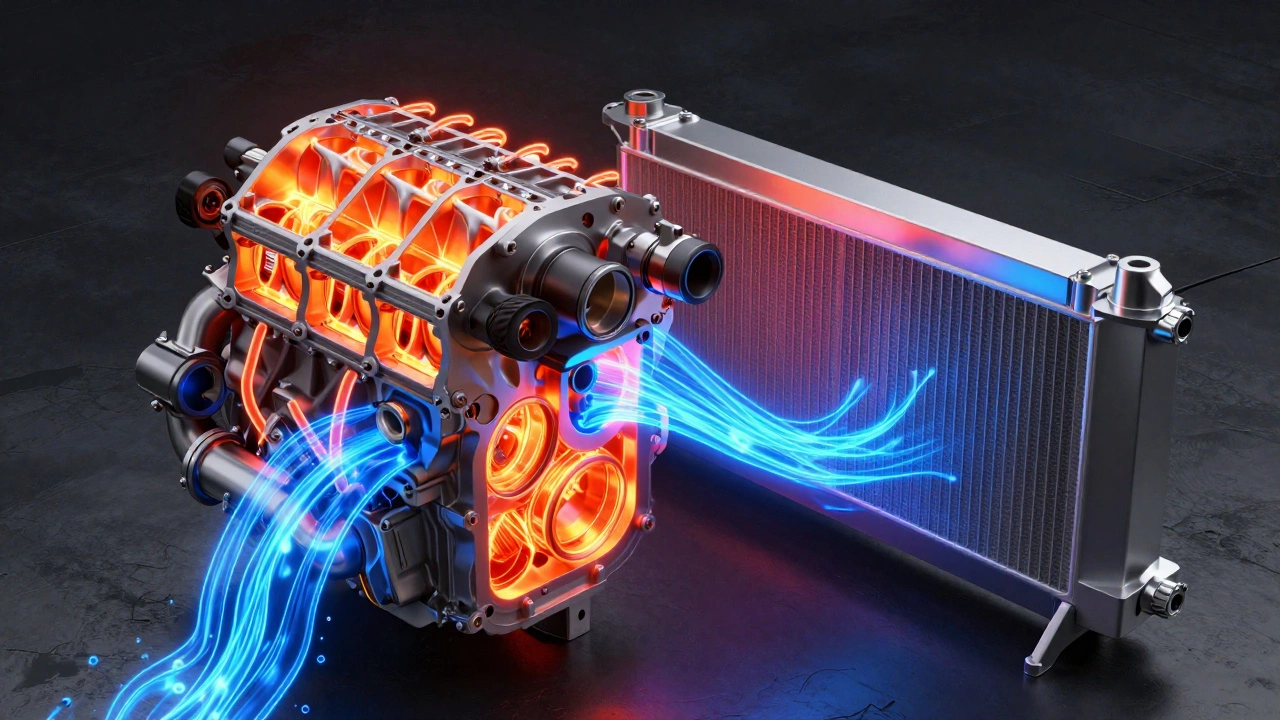
How Car Radiators Work: A Complete Guide to Engine Cooling
Apr 9 2026 / RadiatorsLearn how car radiators work, the key parts that prevent engine overheating, and how to spot signs of failure before you're stranded on the road.
VIEW MORE