Car Radiator Replacement Cost Estimator (2026)
Estimated Cost Breakdown
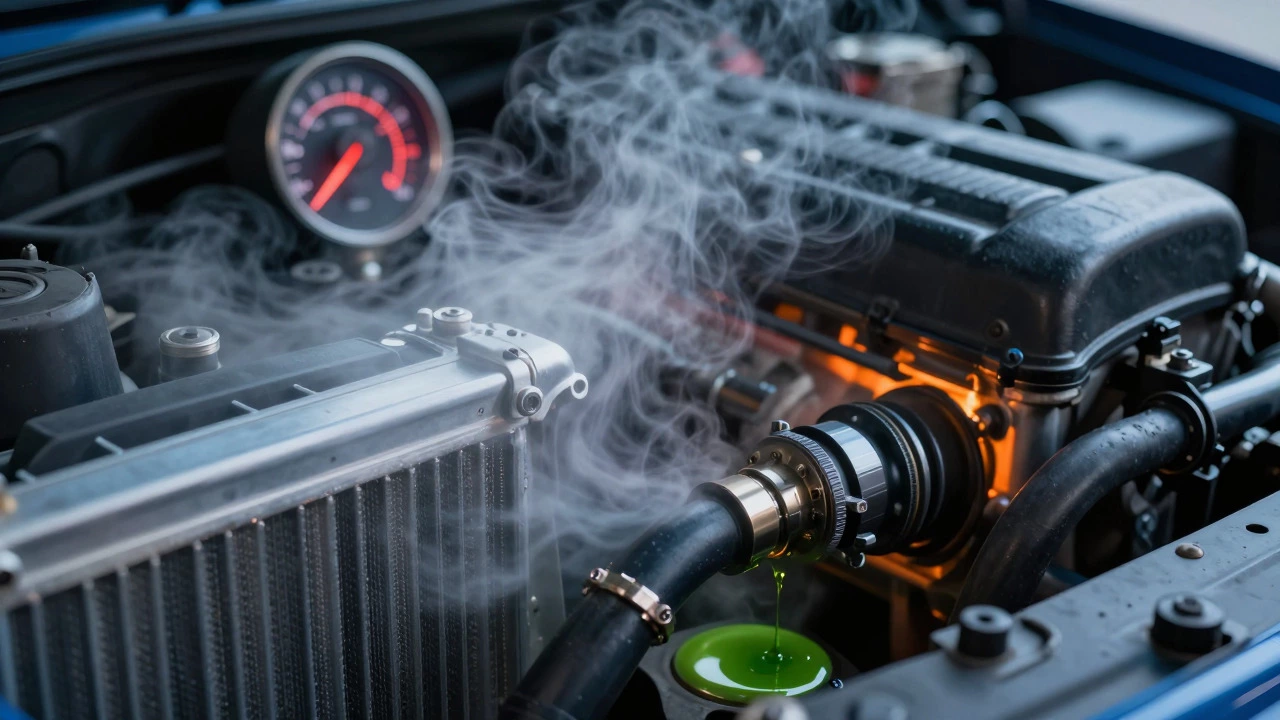
That sweet smell of burning antifreeze is never a good sign. If you’re reading this, your car’s temperature gauge is probably creeping into the red, or you’ve noticed a puddle of green or orange liquid under your vehicle. The immediate question isn’t just "is my engine overheating?" but rather, "how much will it cost to fix?" Car radiator is a heat exchanger that cools the engine coolant before it returns to the engine block. When it fails, the stakes are high. A simple part can lead to catastrophic engine damage if ignored.
In 2026, the cost to replace a car radiator varies wildly depending on whether you buy the part yourself, who installs it, and what kind of vehicle you drive. On average, you should expect to pay between £300 and £800 for a complete job at an independent garage. Dealerships will push that figure closer to £1,000 or more. However, these numbers are misleading without context. The price tag includes more than just the metal tank sitting in front of your grille.
The Breakdown: Parts vs. Labor
To understand the total bill, you need to separate the component costs from the service fees. This distinction matters because DIY enthusiasts can save significantly on labor, while those relying on professionals need to know where their money goes.
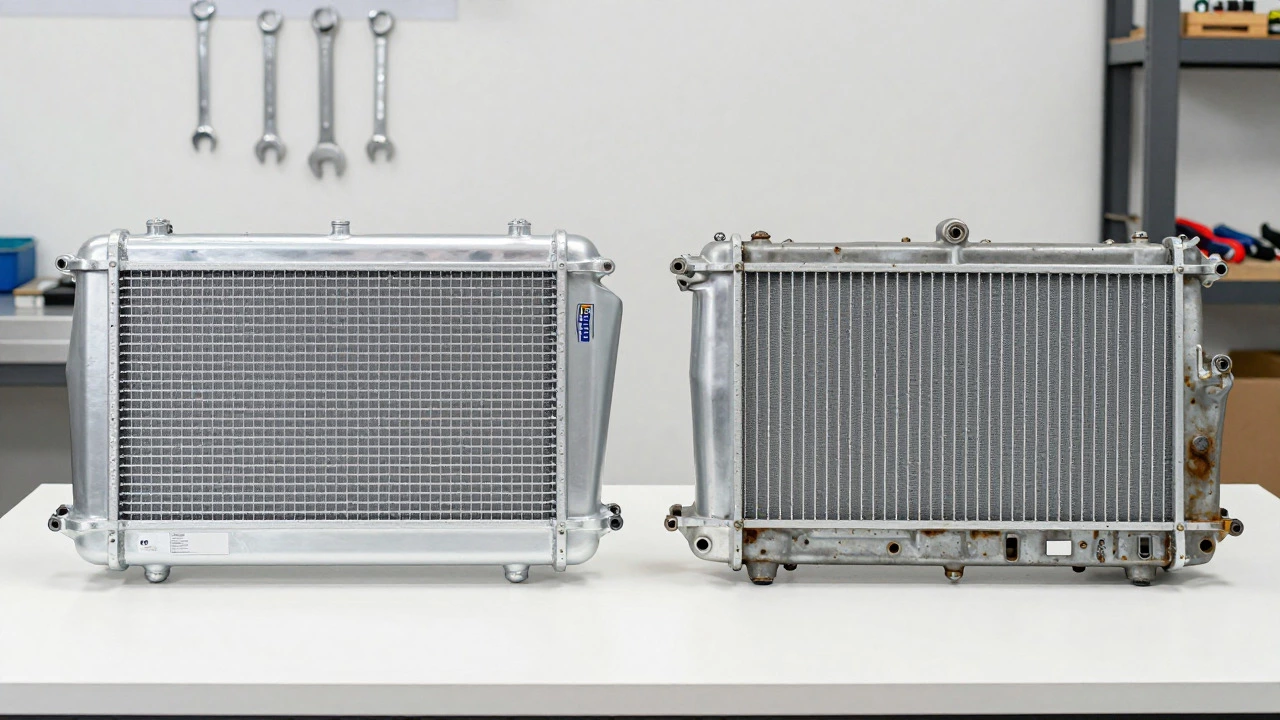
Radiator parts range from budget-friendly aftermarket units to premium OEM (Original Equipment Manufacturer) replacements. An aftermarket aluminum radiator typically costs between £80 and £250. These are often built by third-party manufacturers like Denso, Behr, or Nissens. They work perfectly fine for most daily drivers and offer a warranty that usually lasts two to three years. OEM radiators, sourced directly from the car maker, run from £200 to £600+. You pay extra for the badge and the guarantee that it fits exactly as the factory intended, which can matter for complex cooling systems in luxury cars.
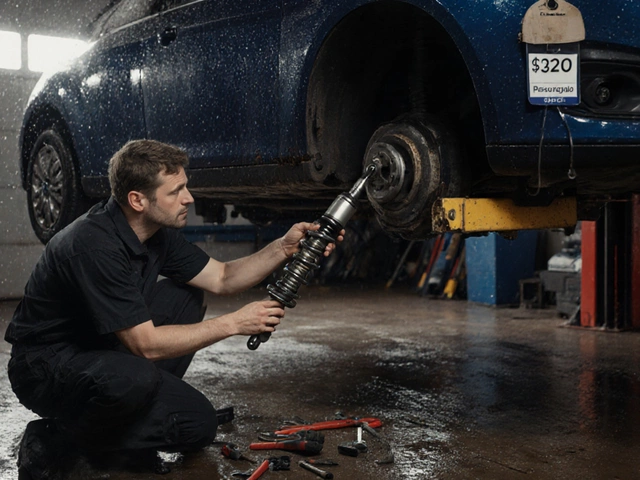
Labor is the other half of the equation. Removing a radiator requires draining the coolant, disconnecting hoses, removing the fan shroud, and sometimes taking out the front bumper cover. It’s not a five-minute job. Independent garages in the UK charge between £50 and £90 per hour. Most shops quote a flat rate for radiator swaps, ranging from £150 to £400. Dealerships often have higher hourly rates (£100+) and may insist on using proprietary tools or procedures, inflating the labor cost further.
| Vehicle Category | Part Cost (Aftermarket) | Labor Cost | Total Estimate |
|---|---|---|---|
| Economy Sedan (e.g., Ford Fiesta) | £80 - £120 | £150 - £200 | £230 - £320 |
| Mid-Range SUV (e.g., VW Tiguan) | £120 - £200 | £200 - £300 | £320 - £500 |
| Luxury/Sports Car (e.g., BMW 3 Series) | £250 - £450 | £300 - £500 | £550 - £950+ |
| Diesel Truck/Large Van | £150 - £300 | £250 - £400 | £400 - £700 |
Hidden Costs That Blow Up Your Budget
Here’s where people get burned. You budget for the radiator, but the mechanic finds something else. Cooling systems are interconnected. When one part fails due to age or neglect, others are often close behind. Smart mechanics don’t just swap the radiator; they inspect the entire circuit.
- Radiator Cap: It sounds trivial, but a faulty cap prevents pressure buildup, leading to boiling coolant. Replacing it costs £10-£20. If you skip this, you might be back in a week.
- Coolant Hoses: Rubber degrades over time. If your upper or lower hoses are brittle or swollen, they need replacing. Expect to add £30-£60 for new hoses plus labor.
- Thermostat: This valve regulates coolant flow. If it sticks open or closed, your engine runs too hot or too cold. Thermostats are cheap (£15-£30) but require similar labor access as the radiator. It’s standard practice to replace them simultaneously.
- Water Pump: Located near the radiator, the water pump circulates the fluid. If it leaks, it contaminates the new radiator setup. Replacement adds £100-£250 to the bill.
- Fan Clutch/Electric Fan: If the electric fan motor is failing, it won’t cool the radiator at idle. New fans range from £80 to £200.
A full "cooling system refresh"-replacing the radiator, thermostat, hoses, cap, and flushing old coolant-can easily double the initial estimate. Ask your mechanic for a "preventative maintenance package" quote upfront. It’s cheaper to do it all at once when the radiator is already out.
OEM vs. Aftermarket: Which Should You Choose?
This is the biggest decision you’ll make besides who does the work. Let’s cut through the marketing noise.
OEM Radiators are parts made by the original manufacturer or their primary supplier. For modern cars with complex dual-loop cooling systems (common in BMWs, Audis, and newer Fords), OEM is safer. These vehicles use specific alloys and fin densities to manage heat from both the engine and the transmission oil cooler. Using a generic aftermarket part here can lead to inadequate cooling under heavy load.
Aftermarket Radiators are third-party components designed to fit multiple vehicle models. Brands like Denso and Behr actually supply many OEM parts anyway. So, buying a Denso-branded radiator is often identical to the OEM version but cheaper because you skip the dealer markup. For older cars, trucks, and economy sedans, aftermarket is the smart financial move. The performance difference is negligible for normal driving.
If your car is under warranty, stick with OEM to avoid voiding coverage. If it’s out of warranty and you’re looking to save cash, a reputable aftermarket brand is perfectly reliable. Avoid no-name brands found on obscure online marketplaces; thin fins and weak solder joints are common failures there.
Repair vs. Replace: Is It Worth Saving?
You might hear someone say, "Just flush it" or "patch the leak." In 2026, repairing a radiator is rarely worth it unless you’re dealing with a classic car where parts are obsolete. Modern radiators are sealed units. Once a core crack appears or a tank seam splits, structural integrity is gone.
Temporary sealants exist. They pour into the system and plug small holes. But these chemicals clog heater cores and narrow passages in the engine block. It’s a band-aid that causes long-term heart attacks for your engine. Save the sealant for emergencies only-like getting home from a trip. Plan a proper replacement immediately after.
Flushing the system helps remove debris and corrosion, extending life, but it won’t fix a physical breach. If you’re losing coolant externally, replacement is the only permanent solution.
DIY vs. Professional Installation
Can you do it yourself? Yes, if you have basic mechanical skills, a jack, stands, and patience. The savings are significant-you keep the £150-£400 labor cost. However, consider the risks.
- Air Pockets: Modern engines require precise bleeding procedures to remove air from the cooling system. If air remains, the engine overheats within minutes of driving. Many cars have bleed screws or require specific ignition cycles to activate the water pump.
- Torque Specs: Over-tightening hose clamps or mounting bolts can crack plastic tanks or strip threads.
- Warranty Voidance: If you install it yourself and something goes wrong later, proving the installation was correct becomes difficult.
If you choose DIY, watch a model-specific tutorial on YouTube first. Note the exact torque values for your engine. Buy a quality funnel kit for bleeding the system. If your car has a complex layout (transverse V6, turbocharged diesel with intercooler piping), leave it to the pros. The risk of damaging nearby sensors or wiring harnesses is too high.
Signs Your Radiator Needs Attention Now
Don’t wait for the breakdown. Catching issues early saves money. Watch for these symptoms:
- Overheating Gauge: The most obvious sign. Pull over safely immediately.
- Discolored Coolant: Rusty brown or milky white coolant indicates internal corrosion or oil mixing. This destroys radiators from the inside out.
- Leaks Under the Car: Green, orange, or pink puddles in the morning.
- Sweet Smell: Burning syrup odor means coolant is leaking onto hot engine parts.
- Sludge in Reservoir: Visible debris or gel-like substance suggests breakdown of additives and potential clogging.
Regular maintenance checks every 30,000 miles or two years can prevent surprise failures. Flush and replace coolant according to your owner’s manual schedule. Inspect hoses for cracks annually.
FAQ
How long does a new car radiator last?
A well-maintained radiator typically lasts between 8 to 10 years or 100,000 to 150,000 miles. Lifespan depends heavily on coolant quality, driving conditions, and regular maintenance. Cars driven in extreme heat or frequent stop-and-go traffic may see shorter lifespans due to increased thermal stress.
Can I drive with a broken radiator?
Only for a very short distance to reach safety. Driving with a compromised radiator risks severe engine overheating, which can warp cylinder heads or blow head gaskets. Repair costs for engine damage far exceed radiator replacement. If the gauge rises above normal, pull over and let the engine cool.
Is it cheaper to buy the radiator myself?
Yes, purchasing the part independently usually saves 10-20% compared to buying through a garage. Garages mark up parts to cover storage and ordering overhead. Ensure you buy the exact match for your VIN to avoid fitment issues. Bring the part to the shop to confirm compatibility before installation.
Why is my radiator costing so much more than expected?
Unexpected costs often arise from hidden damage discovered during removal. Common additions include replacing corroded hoses, a failing water pump, or a damaged fan clutch. Luxury cars may require special tools or software resets for the cooling system, increasing labor time. Always ask for a detailed quote that separates parts and labor.
Do electric cars need radiators?
Yes, electric vehicles have radiators to cool the battery pack, inverters, and electric motors. While they don’t cool an internal combustion engine, thermal management is critical for battery longevity and performance. EV radiator replacements can be expensive due to specialized low-voltage coolant requirements and integrated sensors.