Windshield Wiper Cost & Savings Calculator
Configuration
Estimated Cost Breakdown
Select your vehicle and preferences to see an accurate price estimate.
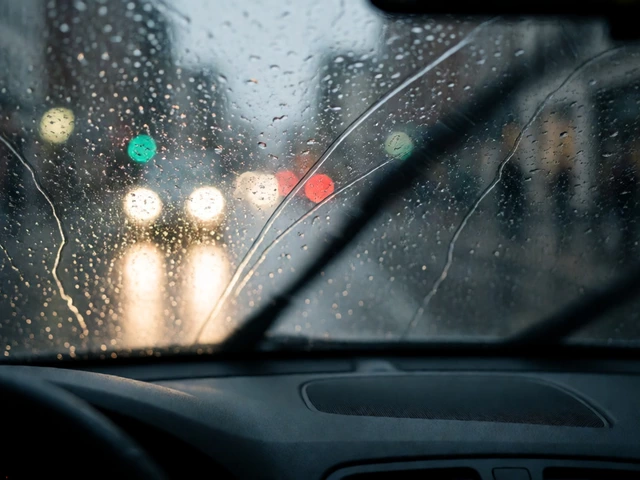
You’re driving in the rain, and suddenly your view of the road turns into a blurry mess. The streaks aren’t just annoying; they’re dangerous. You know you need new windshield wipers, but when you pull up to the auto parts store or check online, the prices seem all over the place. One pair is $5, another is $50. What gives? How much should you actually pay for clear visibility?
The short answer is that most standard windshield wiper replacements cost between $10 and $30 for a pair. However, the final price depends heavily on your vehicle type, the technology inside the blade, and whether you install them yourself. In this guide, we’ll break down exactly what drives the cost so you don’t overpay for features you don’t need.
Why Wiper Prices Vary So Much
If you’ve ever compared prices, you’ve noticed a massive gap between the cheapest option and the premium brands. This isn’t just marketing hype. The cost difference comes down to three main factors: construction material, attachment mechanism, and brand reputation.
Cheaper wipers often use basic rubber compounds that harden quickly under UV exposure and heat. They might last only three months before they start chattering or leaving streaks. Premium wipers use silicone or advanced polymer blends that resist ozone and temperature swings, lasting up to two years. Then there’s the frame. Traditional metal frames are cheap to make but prone to rust and ice buildup. Frameless designs, which use a flat beam of tensioned steel, cost more to manufacture but offer better aerodynamics and pressure distribution across the glass.
| Wiper Type | Price Range (Pair) | Lifespan Estimate | Best For |
|---|---|---|---|
| Budget Rubber | $5 - $15 | 3-6 Months | Older cars, temporary fixes |
| Standard Beam | $15 - $30 | 12-18 Months | Daily drivers, moderate climates |
| Premium Silicone | $30 - $50+ | 18-24 Months | Extreme weather, high-speed driving |
| OEM Replacement | $40 - $80+ | Varies | New vehicles, warranty compliance |
Understanding the Three Main Types of Wipers
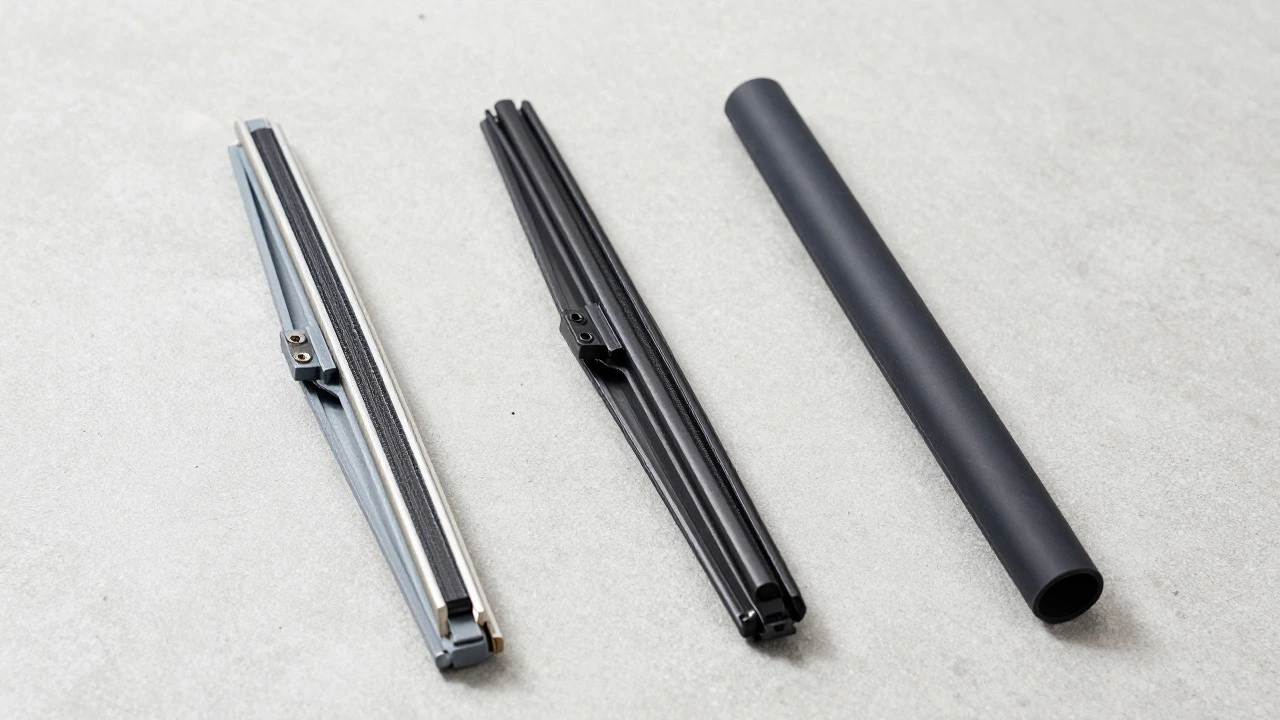
To get the right value, you need to understand what you’re buying. There are three dominant designs on the market today, each with its own price point and performance profile.
Traditional Conventional Wipers: These are the classic designs with an exposed metal arm and multiple joints. They are the most affordable option, typically costing under $15 for a pair. While they work fine in mild weather, the joints can collect snow and ice, causing the blade to lift off the windshield during winter storms. If you live in a warm climate and drive an older model car, these are a perfectly valid, low-cost choice.
Beam Wipers: Also known as flat wipers, these have no external joints. Instead, a single curved steel core runs the length of the blade, providing even pressure. They usually cost between $15 and $30. Because they lack crevices where ice can build up, they are superior for winter driving. Their aerodynamic shape also prevents them from lifting at highway speeds, making them a smart investment for commuters who spend hours on the road.
Silicone Wipers: These are the high-end option. Instead of natural rubber, the wiping edge is made of silicone. Silicone doesn’t dry out as easily as rubber and repels water naturally. A pair can cost $30 to $50 or more. They require clean glass to perform best-any dust or oil on the windshield will smear-but they offer the longest lifespan and the quietest operation available.
Vehicle-Specific Costs: Sedans vs. SUVs vs. Trucks
Your car’s size dictates the length of the wiper blades, which directly impacts the price. A compact sedan like a Honda Civic or Toyota Corolla typically uses smaller blades (around 22 inches), keeping costs lower. Larger vehicles, such as Ford F-150 trucks or Jeep Wranglers, often require longer blades (up to 26 inches or more) and sometimes unique attachment hooks that are harder to source.
Luxury vehicles add another layer of complexity. Brands like BMW, Mercedes-Benz, and Audi often use proprietary mounting systems. You can’t just buy a generic "hook" adapter; you need a specific connector that matches their electronic sensors or aesthetic design. These OEM-style replacements can easily push the price past $60 for a pair. Always check your owner’s manual or the sticker on the wiper arm itself for the exact size and type before purchasing.
DIY Installation vs. Professional Service
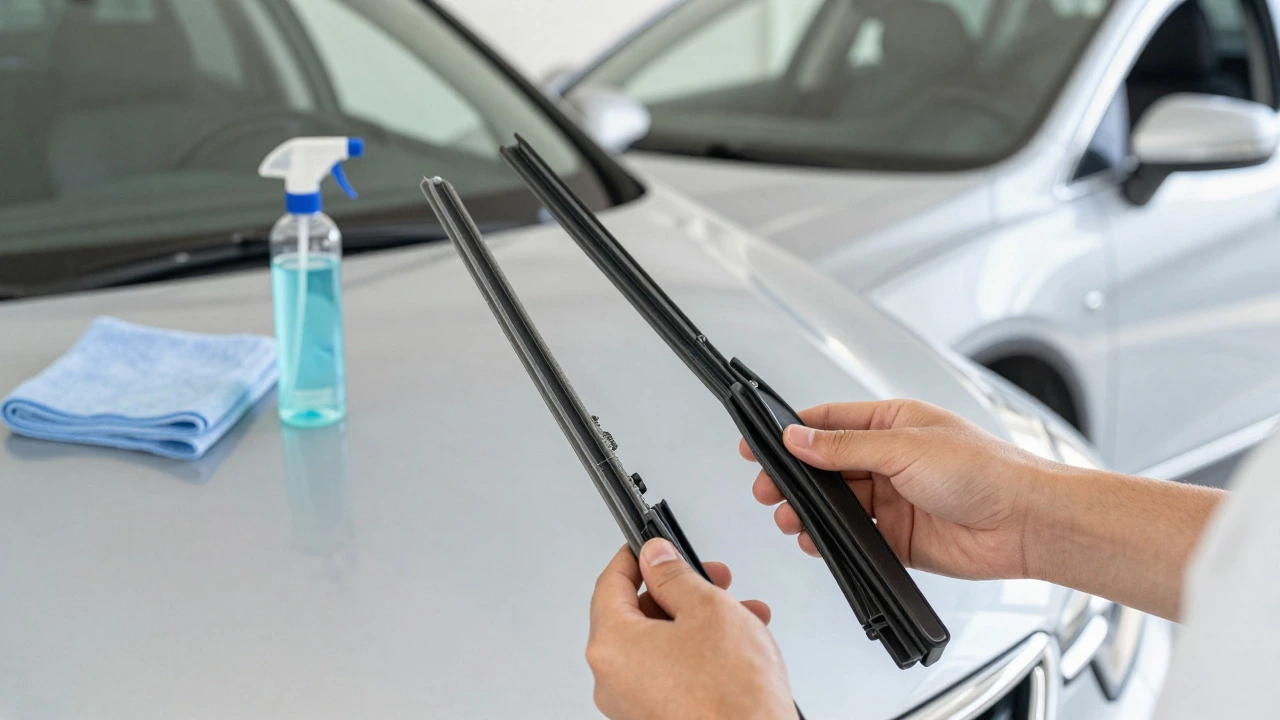
One of the biggest hidden costs in wiper replacement is labor. Changing wiper blades is one of the few car maintenance tasks you can do yourself in under five minutes. Most modern wipers feature a "quick-release" button or clip that lets you snap the old blade off and the new one on without tools.
If you choose to go to a dealership or an auto shop, expect to pay an additional $20 to $50 for labor. While convenient, this service rarely adds value beyond saving you a few minutes. Unless you have physical limitations that make reaching the roofline difficult, DIY installation is the most cost-effective route. Just remember to clean the windshield thoroughly after installation to remove any oils transferred from your hands to the new rubber edges.
When Is It Worth Paying More?
Not every driver needs the most expensive silicone wipers. Here’s a quick decision tree to help you allocate your budget wisely:
- Pay for Premium ($30+): If you drive daily in heavy rain, snow, or extreme heat. The extended lifespan and consistent performance justify the higher upfront cost.
- Stick to Mid-Range ($15-$30): If you drive in mixed conditions and want a balance of durability and price. Beam wipers in this range offer excellent reliability for most users.
- Choose Budget (<$15): If you rarely drive, keep the car garaged, or need a temporary fix until you can visit a store. Accept that you may need to replace them again within six months.
Also consider the cost of failure. Cheap wipers that chatter or streak can be distracting and increase eye strain, potentially leading to accidents. Investing slightly more in a reputable brand like Bosch, Rain-X, or Michelin often pays off in safety and peace of mind.
Tips to Extend Wiper Life and Save Money
No matter how much you spend, wipers are consumable items. They will eventually wear out. However, you can maximize their lifespan with simple habits:
- Clean Your Windshield Regularly: Road tar, tree sap, and bug splatter act like sandpaper against your wiper blades. Wash your glass monthly with automotive-specific cleaner, not household ammonia-based products, which can degrade rubber.
- Don’t Dry Scrape: Avoid running wipers on a dry windshield. This accelerates friction and wears down the rubber edge. Use washer fluid first to lubricate the surface.
- Lift Blades in Winter: If snow is forecast, park outside and lift the wiper arms away from the glass before bed. This prevents them from freezing to the windshield, which can burn out the motor or tear the blade when you try to turn them on.
- Check for Stiff Arms: Sometimes the problem isn’t the blade but the spring-loaded arm. If the arm doesn’t press firmly against the glass, even new blades will fail. This is a mechanical issue that requires professional adjustment.
Frequently Asked Questions
How often should I replace my windshield wipers?
Generally, you should replace wiper blades every 6 to 12 months. However, this depends on your climate. In areas with intense sun or heavy snow, you may need to change them every 6 months. In milder climates, quality beam or silicone wipers can last up to 18 months. Look for signs like squeaking, skipping, or visible cracks in the rubber.
Are expensive wipers really better than cheap ones?
Yes, in terms of longevity and consistency. Cheap wipers often use lower-grade rubber that hardens quickly, leading to streaks and chatter. Premium wipers use advanced materials like silicone or multi-layered rubber that maintain flexibility in extreme temperatures. While they cost more upfront, they often last twice as long, making them more cost-effective over time.
Can I use any wiper blade on my car?
No. You must match both the length and the attachment type. Using blades that are too long can cause them to overlap and damage each other or the windshield. Using the wrong attachment hook can result in poor contact with the glass. Check your owner’s manual or measure your existing blades to ensure compatibility.
Why do my new wipers still leave streaks?
Streaking with new wipers is usually caused by dirty glass or oily residue on the new blades. Before installing new wipers, wash your windshield thoroughly with automotive glass cleaner. After installation, wipe the new rubber edges with a cloth dampened with alcohol to remove manufacturing oils. If streaking persists, check if the wiper arms are properly aligned and pressing evenly against the glass.
Do beam wipers work better than traditional ones?
For most drivers, yes. Beam wipers provide more even pressure across the windshield because they lack the multiple joints found in traditional wipers. This reduces skipping and improves clarity, especially at high speeds. They are also less likely to accumulate ice and snow, making them a superior choice for winter driving.