Wiper Blade Replacement Calculator
This tool calculates when you should replace your wiper blades based on UK climate conditions, driving frequency, and blade type. Follow the article's expert guidance to ensure safe visibility.
Climate Zone
Driving Frequency
Wiper Blade Type
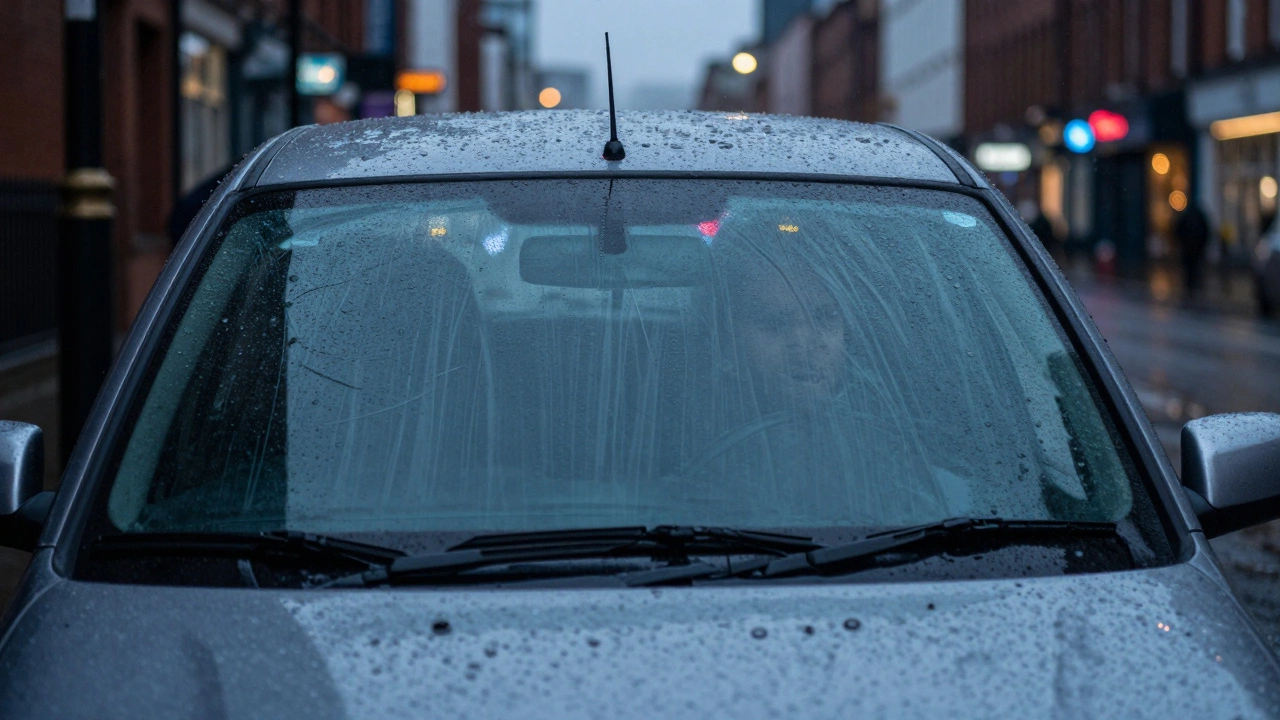
It’s raining again in Manchester. You turn on your wipers, and they smear instead of clear. That streak across your windshield isn’t just annoying-it’s dangerous. If your wiper blades are old, you’re driving blind in bad weather. So how often should you really replace them? The answer isn’t as simple as ‘once a year.’ It depends on your driving habits, the weather, and the quality of the blades you’re using.
Most wiper blades need replacing every 6 to 12 months
Manufacturers and mechanics agree: if you haven’t changed your wiper blades in over a year, it’s time. Most rubber blades start to degrade after six months of regular use, especially in the UK’s damp, chilly climate. UV rays from the sun, road grime, salt from winter roads, and even pollen all break down the rubber over time. By the time you notice streaking or chattering, the damage is already done.
Think of your wiper blades like toothbrushes. You wouldn’t use the same one for a year, right? Same logic applies here. Even if you don’t drive much, the rubber still dries out and cracks. Parking outside all winter? That’s a death sentence for cheap blades. One study by the AA found that 68% of UK drivers were using wiper blades past their safe lifespan-many for over 18 months.
Signs your wiper blades are worn out
You don’t need to wait for a storm to realize your blades are failing. Look for these five clear signs:
- Streaking-wet patches or smears left on the glass after each swipe
- Chattering-a jerky, skipping motion that makes noise and leaves gaps
- Skipping-the blade doesn’t make full contact with the windshield
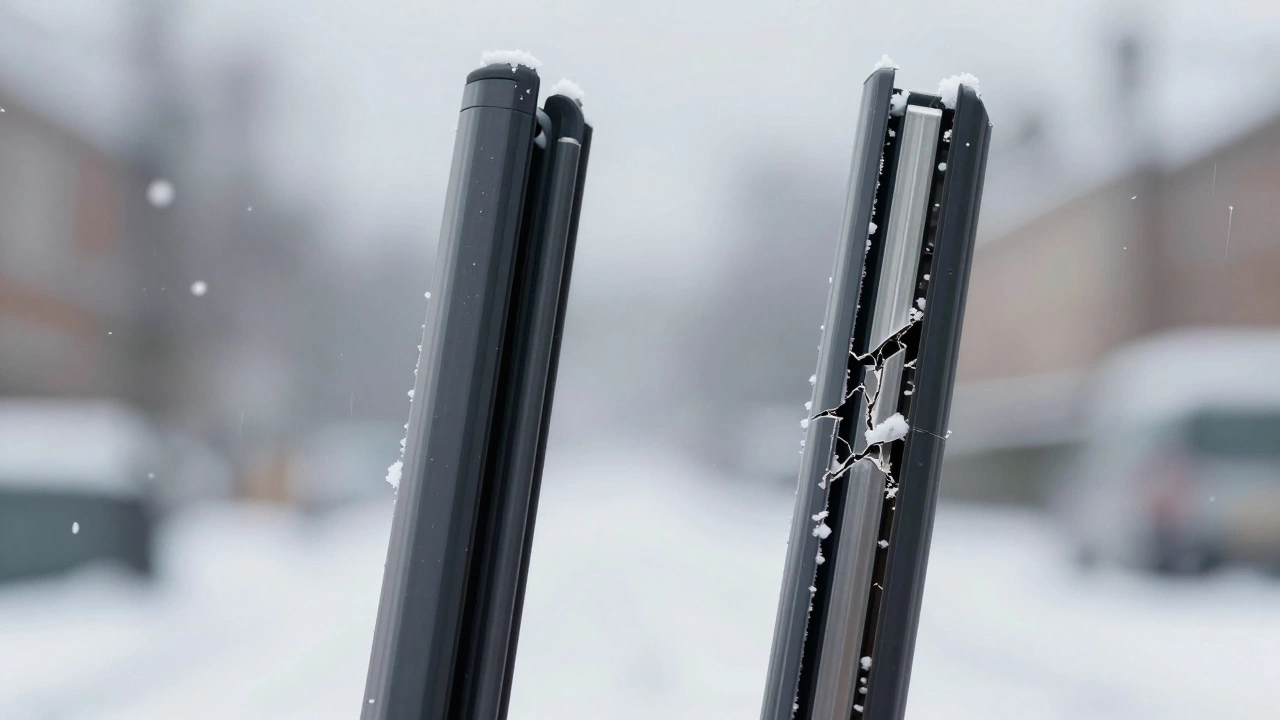
- Cracked or brittle rubber-inspect the edge of the blade; if it’s splitting or flaking, replace it
- Missing rubber-if you can see the metal frame through the rubber, it’s gone too far
These aren’t just cosmetic issues. A 2023 RAC survey showed that poor visibility due to faulty wipers contributed to over 1,200 accidents in the UK during winter months alone. That’s one accident every 7 hours. If your wipers are acting up, don’t wait for a near-miss to act.
Climate and driving conditions change the timeline
If you live in Manchester, you’re probably dealing with rain 150+ days a year. That’s more wear and tear than someone in drier regions like East Anglia. But it’s not just rain-it’s the combination of cold, damp, and salted roads in winter that accelerates blade degradation.
Here’s how your environment affects replacement frequency:
- Wet, cold climates (like Manchester) - Replace every 6 months
- Hot, sunny areas (e.g., Cornwall or Kent) - UV rays dry out rubber faster; replace every 8-10 months
- High pollen or dust areas - Grime builds up on the blade edge; replace every 6-8 months
- Minimal driving (weekend car) - Still replace annually. Rubber degrades even when unused
And if you drive on gravel roads or in construction zones? Debris can tear the rubber. Replace immediately after any major exposure.
Not all wiper blades are created equal
Price doesn’t always mean quality, but cheap blades often cost you more in safety. Basic rubber blades from discount stores might last 6 months under ideal conditions-but in the UK, they’re often gone in 4.
Here’s what actually works better:
- Beam blades - These have a frameless design that applies even pressure across the entire blade. They’re less likely to lift in high winds and handle snow better.
- Hybrid blades - Combine a metal frame with a rubber coating. More durable than pure beam blades.
- Winter blades - These have a rubber boot covering the frame to prevent ice buildup. Worth the extra £5-£10 if you get frost or snow.
Brands like Bosch, Michelin, and Rain-X are consistently rated higher in independent tests by Which? and the RAC. You don’t need the most expensive ones, but avoid the £3 no-name packs sold at petrol stations.
When to replace: Seasonal check is your best bet
Forget the calendar. Set a habit: check your wipers every spring and every autumn.
Here’s a simple 3-step check:
- Turn on the washer fluid and run the blades for 10 seconds. Watch for streaks or gaps.
- Stop the car and lift the blade away from the glass. Run your finger along the rubber edge. If it feels rough, cracked, or uneven, replace it.
- Look at the metal connector. If it’s rusty or bent, the whole assembly is worn.
If you do this twice a year, you’ll catch problems before they become emergencies. And if you notice any issues during your autumn check? Replace them before the first heavy snowfall. Don’t wait until January.
How much does it cost to replace wiper blades?
Good wiper blades cost between £10 and £25 for a pair. That’s less than a tank of petrol. Some places like Halfords, Kwik Fit, or even supermarkets sell them for under £15. Many shops will fit them for free if you buy them there.
Compare that to the cost of a minor accident caused by poor visibility. Or the time you waste wiping your windshield with a cloth during a downpour. The money saved isn’t just in repairs-it’s in peace of mind.
DIY replacement is easy-no tools needed
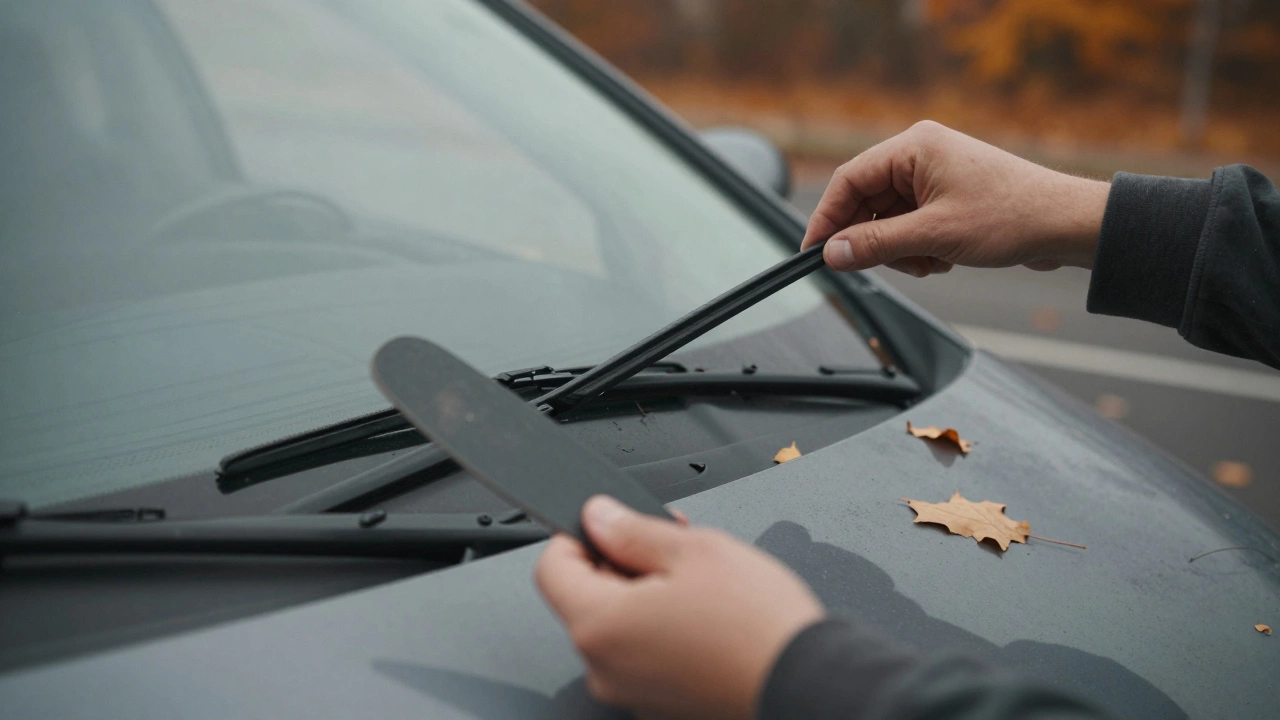
Changing wiper blades takes less than five minutes. Most modern cars use a hook-style connector. Just lift the blade away from the glass, press the small release tab, slide the old blade off, and snap the new one in. No wrenches, no garage visit.
Watch a 90-second YouTube video for your car model if you’re unsure. Once you’ve done it once, you’ll never need to look again. It’s one of the easiest and safest maintenance tasks you can do yourself.
What happens if you ignore worn blades?
Ignoring worn blades doesn’t just hurt your visibility-it can damage your windshield. When the rubber cracks or the metal frame is exposed, it starts to scratch the glass. Those tiny scratches become permanent foggy patches that scatter light at night. Fixing a scratched windshield costs £200-£500. Replacing blades? £15.
And then there’s the legal side. In the UK, your windscreen must be clear for an MOT. If your wipers leave streaks or don’t clear properly, you’ll fail. That’s not just a fine-it’s a delay, a retest fee, and lost time.
Final advice: Don’t wait for failure
Wiper blades are one of the most overlooked parts of your car. But they’re also one of the most critical. You don’t need to replace them every 3 months. But waiting until they fail is asking for trouble.
Replace them every 6-12 months. Check them before winter. Choose quality over price. Do it yourself to save money. And never assume they’re fine because they ‘still move.’ If they’re not clearing the glass cleanly, they’re already too old.
Your eyes are your best tool. If you can’t see clearly when it rains, your wipers aren’t doing their job. And in the UK, that’s not a risk you can afford to take.