Car Ride Quality Optimizer
Symptom Checker: Why is my ride so stiff?
Select the symptom that best describes your driving experience to get a recommended solution.
Select a symptom on the left to see the recommended fix.
Quick Wins for a Smoother Ride
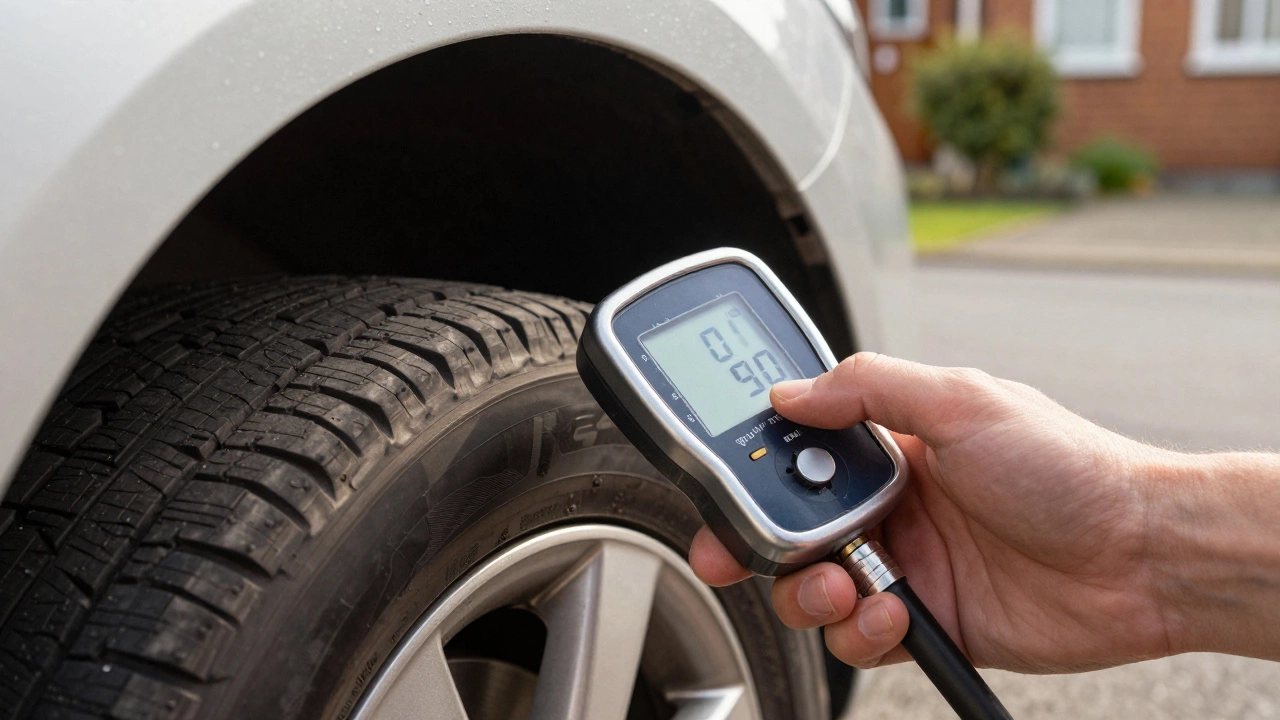
Before you start tearing apart your chassis, check the easiest thing first: your air in the tires. If your Tires are over-inflated, they act like rock-hard balls of rubber, transmitting every pebble directly into the cabin. Check your door jamb for the recommended PSI and stick to it. If you're running 40 PSI when the manufacturer suggests 32, you're essentially adding a layer of stiffness to your softer car suspension goal before the shocks even get a chance to work.
Another quick fix involves your Tire Pressure Monitoring System (TPMS). If you have a car with run-flat tires, be aware that their reinforced sidewalls are naturally stiffer. While you can't change the tire construction without replacing the wheels or tires, ensuring they aren't over-pressurized is your first line of defense against a harsh ride.
Understanding the Role of Shock Absorbers
When people say their car feels "stiff," they're often talking about the Shock Absorbers (or struts). A shock absorber is a mechanical or hydraulic device designed to absorb and damp shock impulses. Think of them as the "brakes" for your springs. If the damping is too high, the car won't move much over a bump, but you'll feel the impact in your spine.
If you have factory shocks that feel too firm, you can look for "Comfort" or "Touring" replacements. Many aftermarket brands offer a softer valving profile that allows the piston to move more freely through the oil, reducing the resistance you feel when hitting a pothole. For example, switching from a heavy-duty truck shock to a light-duty passenger version can completely change the vehicle's personality.
If you're lucky enough to have Adjustable Dampers, you're in luck. These allow you to turn a dial to change the oil flow. Turning the dial toward "Soft" reduces the damping force, meaning the suspension will compress more easily. If your car has electronic settings (like Comfort, Normal, Sport), the computer is simply adjusting these valves in milliseconds.
The Magic of Coil Springs
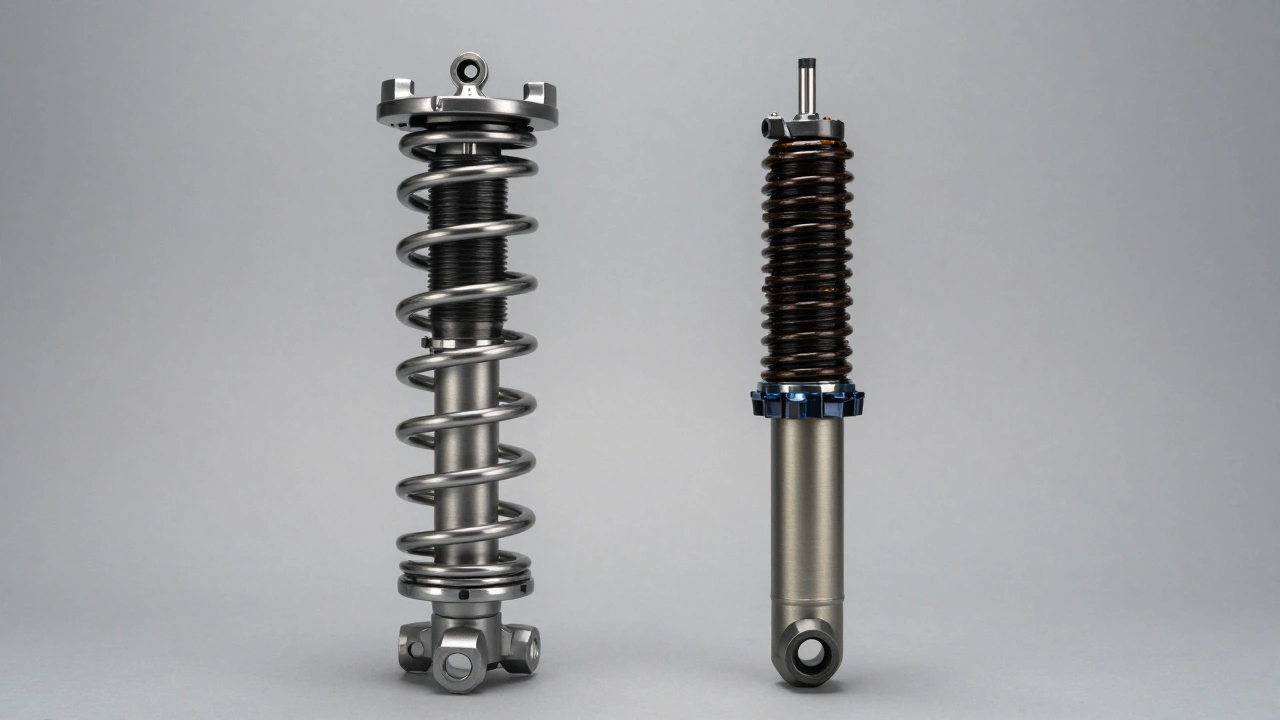
While shocks control the speed of the movement, Coil Springs determine the amount of weight the car can support before it stops moving. A spring with a high "spring rate" is stiff; a spring with a low rate is soft.
If you want a plusher ride, you need a lower spring rate. However, be careful here. If you go too soft, you'll experience "bottoming out," where the suspension compresses fully and hits the bump stop, resulting in a massive jolt. The goal is to find a balance where the spring is soft enough to absorb the bump but strong enough to keep the car from scraping the ground.
| Component | Effect of "Stiff" Setting | Effect of "Soft" Setting | Primary Result |
|---|---|---|---|
| Shock Absorbers | Less body roll, jarring impact | More floaty, smoother bumps | Controls motion speed |
| Coil Springs | Higher load capacity, rigid | Easier compression, plush | Supports vehicle weight |
| Tires | Better steering response, harsh | More cushioning, vague steering | First point of contact |
Upgrading to Air Suspension
If you have the budget and want the ultimate soft ride, Air Suspension is the gold standard. Instead of a steel coil, it uses a rubber bladder filled with compressed air. Because air is compressible, it provides a linear and often much softer feel than steel.
The real beauty of air bags is adjustability. By changing the pressure in the bags using an onboard compressor and tank, you can make the car feel like a cloud while cruising on the highway and then stiffen it up if you need to carry a heavy load of furniture. Many luxury SUVs use this system to maintain a level ride regardless of how many passengers are inside.
Checking Your Bushings and Mounts
Sometimes, a ride feels "harsh" not because the springs are stiff, but because the Bushings are dead. Bushings are the rubber cushions that separate metal parts of the suspension. Over time, rubber dries out, cracks, and hardens-becoming more like plastic than rubber.
When bushings fail, you lose that "isolated" feeling. You might hear clunks, or you might feel a vibration that wasn't there before. Replacing old, hardened rubber bushings with fresh, high-quality rubber ones (avoid polyurethane if you want a soft ride, as poly is much stiffer) can restore that "new car" smoothness. It's a tedious job, but the difference in noise, vibration, and harshness (NVH) is significant.

The Trade-off: Handling vs. Comfort
It's important to be honest: you can't have a car that corners like a Formula 1 racer and rides like a luxury lounge at the same time. When you soften your suspension, you are introducing more "body roll." This means when you turn a corner, the car will lean more. You might also notice more "dive" when you hit the brakes and more "squat" when you accelerate.
If you're mostly commuting on highways and city streets, this trade-off is usually worth it. But if you frequently drive winding mountain roads or tow heavy trailers, going too soft can actually be dangerous, as it reduces your control over the vehicle's weight transfer during emergency maneuvers.
Will lowering my car make the ride stiffer?
Usually, yes. Most lowering springs have a higher spring rate to compensate for the shorter length, which prevents the car from bottoming out. If you want a lower car with a soft ride, you'll either need very expensive high-end coils or an air suspension system.
Can I just put thinner oil in my shocks to make them softer?
Not unless you have specialized rebuildable shocks. Most factory shocks are sealed units. Attempting to open and change the oil in a standard shock will likely ruin the seal and cause the shock to leak, leaving you with a bouncy, dangerous ride.
Do polyurethane bushings make the ride softer?
No, quite the opposite. Polyurethane is much denser and stiffer than rubber. It's great for track cars because it improves precision, but for a daily driver who wants comfort, stick with OEM rubber bushings.
Which is better for comfort: struts or shocks?
It's not a matter of choice; it depends on your car's design. A strut is simply a shock absorber that also acts as a structural part of the suspension. Both can be tuned for comfort or stiffness depending on the valving inside.
Will changing to a different brand of tires help?
Absolutely. "Touring" tires are designed with softer rubber compounds and more flexible sidewalls compared to "Performance" or "Winter" tires. Switching to a dedicated touring tire can noticeably reduce the amount of road noise and vibration felt in the cabin.
Next Steps for Tuning Your Ride
If you're not sure where to start, follow this logic: start with your tire pressure today. If that doesn't help, inspect your bushings for cracks. If the rubber is shot, replace them. If everything looks healthy but the ride is still too firm, look into replacing your factory shocks with a "Comfort" series from a reputable brand. Only once you've exhausted these options should you look into the high cost and complexity of air suspension or changing your spring rates.