Winter Wiper Safety Checker
Check if your winter wiper practices are causing damage to your vehicle. Based on the latest automotive research, identify risks and get personalized safety recommendations.
Your Winter Wiper Risk Assessment
Based on your answers, here's what we found:
Recommended Actions
Why This Matters
It’s freezing outside. Snow piled up overnight. You step out to your car and see your windshield wipers frozen to the glass. You’ve heard the advice: flip up your windshield wipers to keep them from sticking. But is that actually a good idea-or just a myth that’s hurting your car?
Why People Flip Up Wipers
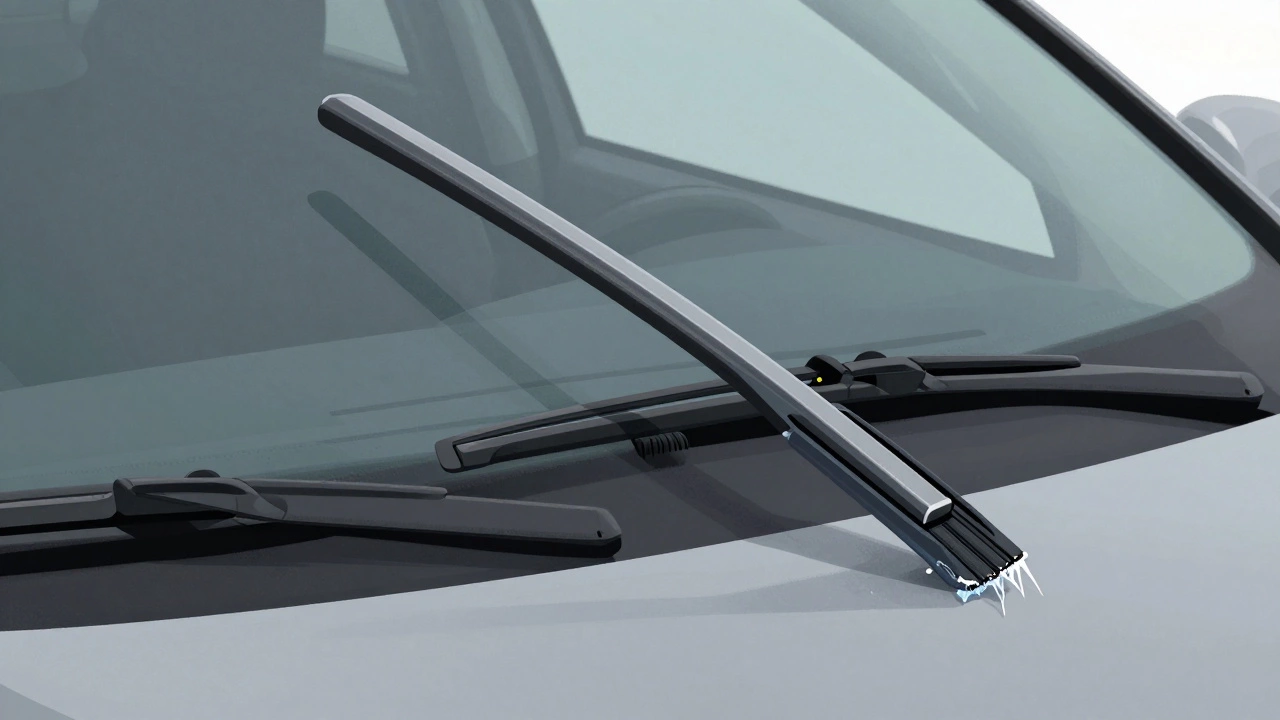
The logic seems simple. If wipers are stuck to the windshield, lifting them up keeps the rubber from freezing to the glass. It’s supposed to save the blades from cracking, prevent motor strain, and make clearing ice easier in the morning. Many drivers swear by it, especially in places like Minnesota, Canada, or the Alps where winter lasts half the year.But here’s what most people don’t tell you: lifting wipers doesn’t solve the real problem-it creates new ones.
The Hidden Damage
Windshield wipers aren’t designed to hang in the air. The spring tension in the wiper arms is calibrated to press the rubber firmly against the glass. When you lift them, that tension pulls backward on the wiper arm’s pivot point. Over time, this weakens the spring and bends the metal arm. You won’t notice it right away. But after a few seasons, you’ll see streaks, chattering, or worse-wipers that don’t lay flat at all.And it’s not just the arms. The rubber blade itself can get misshapen. If it’s left hanging, gravity pulls the rubber downward. When you lower it back onto the glass, it doesn’t conform evenly. That leads to uneven wiping, missed spots, and glare from oncoming headlights at night.
There’s also the risk of accidental damage. Snow blowers, passing cars, or even a curious pet can knock the wiper blades loose. One misstep and you’re looking at a $150 repair bill for a bent arm or broken linkage.
What Actually Works
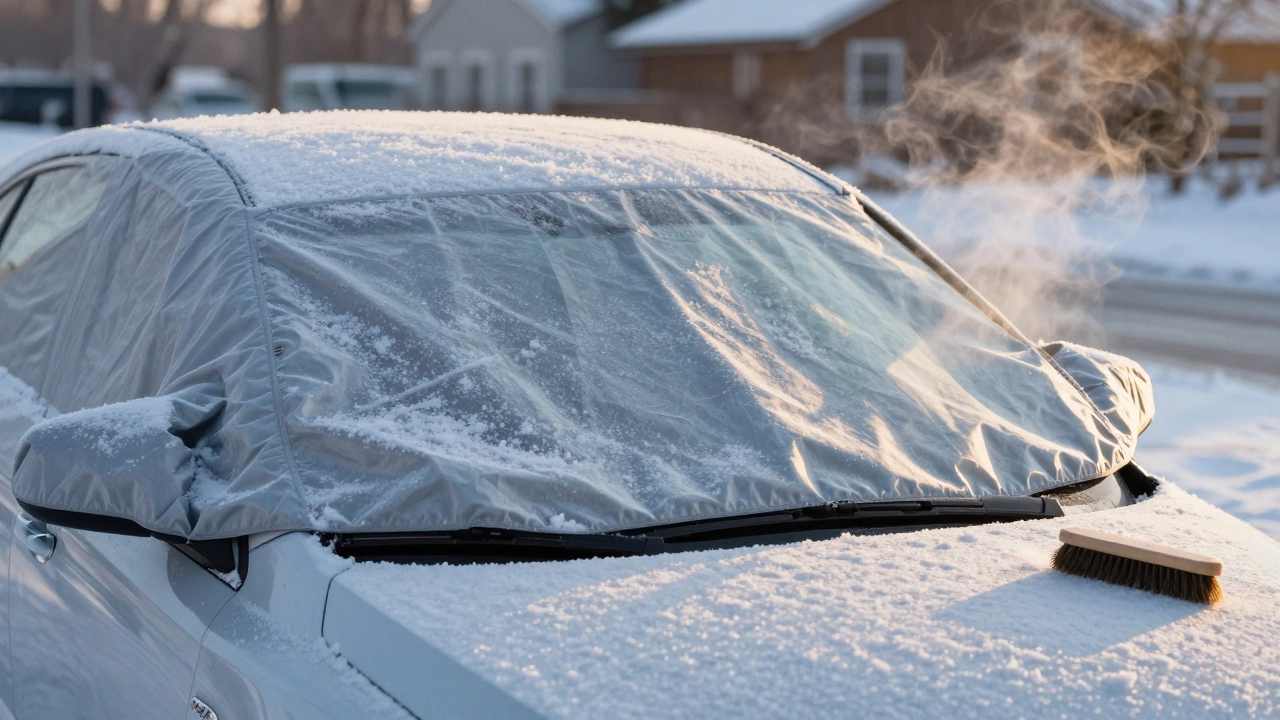
Instead of flipping up your wipers, try these proven methods:- Use a windshield cover. A simple, reusable cover made of insulated fabric or foam fits over the windshield like a blanket. It keeps snow and ice off the glass-and the wipers stay where they belong. They cost under $20 and last for years.
- Apply a de-icing spray. Products like Rain-X De-Icer or even a homemade mix of isopropyl alcohol and water (3:1 ratio) sprayed on the glass before freezing temps hit can prevent ice from bonding. Don’t spray it on the wiper blades-just the glass.
- Park in a garage or under cover. If you have access to a garage, carport, or even just a carport with a tarp over the front, you’ll cut ice buildup by 80%.
- Turn on your defroster before driving. Let the heater run for 5-10 minutes before you try to move the wipers. Warm air melts the bond between the rubber and glass without forcing the blades.
None of these require you to touch the wipers at all. And none risk damaging the mechanism.
What to Do If Your Wipers Are Already Frozen
If you didn’t prep and now your wipers are stuck, don’t turn them on. Don’t pry them loose with a plastic scraper. Don’t pour hot water on them-that’ll crack the glass.Instead:
- Turn on your car and set the defroster to max heat.
- Use a soft brush or sponge to gently clear snow off the windshield.
- Wait 5-10 minutes. The heat will slowly melt the ice bond.
- Once the ice loosens, carefully lift the wipers by the base-never the rubber edge.
- Wipe the blades clean with a dry microfiber cloth before lowering them back down.
This takes patience, but it’s the only way to avoid breaking something.
Wiper Blade Replacement Tips
Even if you never flip up your wipers, they still wear out. Most manufacturers recommend replacing them every 6-12 months. Signs you need new ones:- Streaking or smearing even after cleaning the glass
- Chattering or skipping during light rain
- Cracked or brittle rubber
- Wipers lifting off the glass at high speeds
Don’t buy the cheapest wipers. Brands like Bosch Icon, Rain-X Latitude, and Michelin Stealth have been tested by Consumer Reports and consistently outperform budget options. They use a beam-frame design that presses evenly across the entire blade-no gaps, no streaks.
And if you live in a snowy climate, look for wipers labeled “winter” or “all-season.” These have a rubber boot that covers the metal frame, preventing ice and snow from building up inside the mechanism.
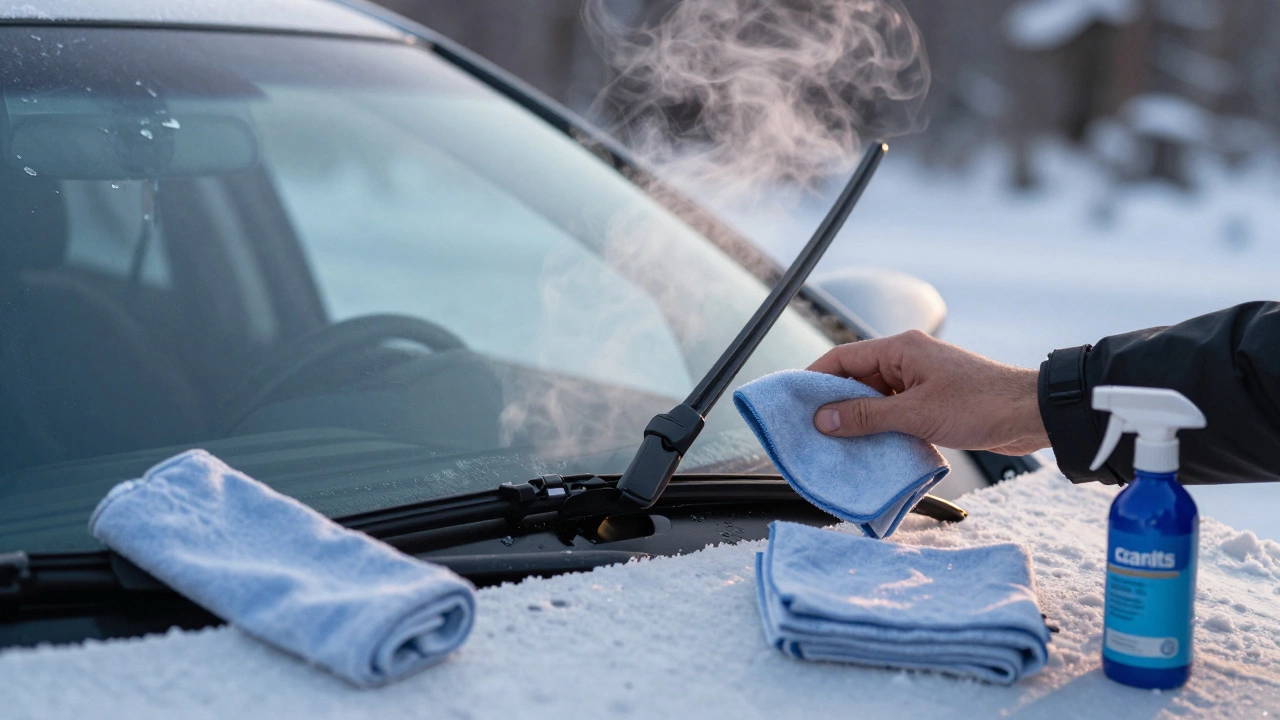
Myth vs. Reality
Let’s clear up the biggest myths:| Myth | Reality |
|---|---|
| Lifting wipers protects them from freezing | Lifting them stresses the arm and can warp the blade |
| It’s safe to use the wipers to clear heavy snow | That can burn out the motor or snap the linkage |
| Wiper fluid is enough to melt ice | Regular washer fluid freezes at 32°F. Use de-icing fluid rated for -20°F or lower |
| Old wipers are fine until they stop working | Worn blades reduce visibility by 40% in light rain, increasing crash risk |
What Experts Say
The National Highway Traffic Safety Administration (NHTSA) doesn’t recommend lifting wipers. In their winter driving guide, they state: “Avoid manipulating wiper arms. Damage to the wiper system can lead to loss of visibility during critical moments.”Automotive engineers at Toyota and Ford confirm this. Their service manuals explicitly warn against lifting wipers off the windshield. The design assumes constant contact. Forcing them into an unnatural position introduces stress points the system wasn’t built to handle.
Even the makers of wiper blades like Anco and Valeo advise against it. Their product guides say: “Always keep wipers in contact with the windshield during freezing conditions.”
Final Verdict
Flipping up your windshield wipers might feel like a smart move, but it’s a short-term fix with long-term costs. The damage is slow, silent, and expensive to fix. You’re trading a few minutes of convenience for potential repairs that cost hundreds.Use a windshield cover. Use de-icing spray. Let the heater do the work. Replace blades before they fail. These are the real solutions.
Winter driving is hard enough. Don’t make it harder by damaging the very thing you rely on to see clearly.
Is it okay to flip up windshield wipers in the snow?
No, flipping up windshield wipers can damage the wiper arms and blades. The spring tension in the arms is designed to press the rubber against the glass. When lifted, the arms can bend, the rubber can warp, and the pivot points can weaken. Over time, this leads to streaking, chattering, or complete wiper failure. Better alternatives include using a windshield cover or de-icing spray.
What should I do if my wipers are frozen to the windshield?
Don’t turn on the wipers or pry them off. Turn on your car’s defroster and let it run for 5-10 minutes. Use a soft brush to gently remove snow from the glass. Once the ice loosens, carefully lift the wipers by the base-never the rubber edge. Clean the blades with a dry microfiber cloth before lowering them back down.
Do winter wiper blades really make a difference?
Yes. Winter wiper blades have a rubber boot that covers the metal frame, preventing snow and ice from packing inside. Regular blades collect ice in the frame, which stops them from laying flat on the glass. Winter blades maintain consistent contact and clear snow more effectively. Brands like Bosch Icon Winter and Michelin Guardian are designed specifically for snow and ice conditions.
How often should I replace windshield wipers?
Replace windshield wipers every 6 to 12 months, even if they still seem to work. Rubber degrades from UV exposure, temperature changes, and road grime. Signs you need new ones include streaking, chattering, smearing, or rubber cracking. In snowy climates, replace them in the fall before winter hits.
Can I use windshield washer fluid to melt ice?
Regular windshield washer fluid freezes at 32°F (0°C) and won’t melt ice. You need de-icing fluid rated for at least -20°F (-29°C). These fluids contain alcohol and anti-freeze agents that break down ice on contact. Always check the label for the freeze point. Never rely on standard fluid for ice removal.