Fuel Filter Health Checker
Select the symptoms you are experiencing in your vehicle to estimate the likelihood of a clogged fuel filter.
Select symptoms above and click Analyze to see your diagnostic report.
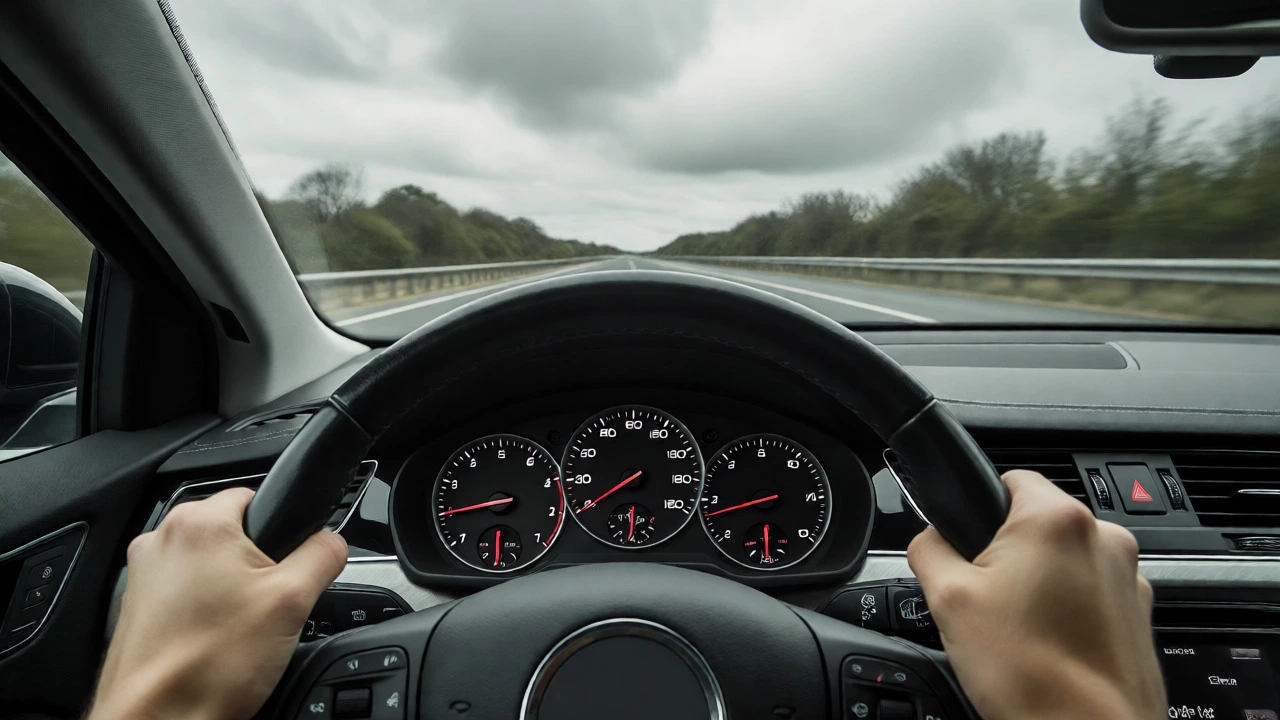
You’re driving down the motorway, cruising at a steady 70 mph, when suddenly the car jerks. It feels like someone just pulled the handbrake while you were in motion. You ease off the gas, and it smooths out. Then, as soon as you press the accelerator again, that hesitation returns. Sound familiar? This isn’t always a sign of an expensive transmission failure or a dying engine. Often, it’s something far simpler: a clogged fuel filter.
The fuel filter is one of the most overlooked components in modern vehicles, yet it plays a critical role in keeping your fuel system healthy. Its job is straightforward: trap dirt, rust, and debris before they reach your injectors or carburetor. When it gets blocked, fuel flow restricts. The result? Your engine starves for gas, leading to a cascade of performance issues that can mimic bigger, pricier problems. If you ignore these signs, you risk damaging your fuel pump, which has to work harder to push gas through the restriction.
What Does a Clogged Fuel Filter Actually Do?
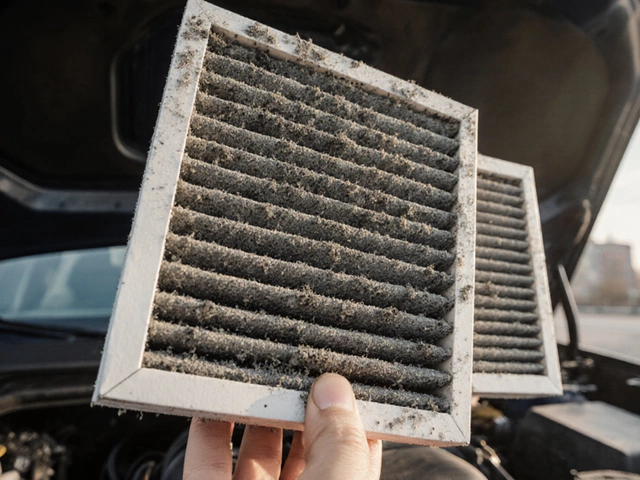
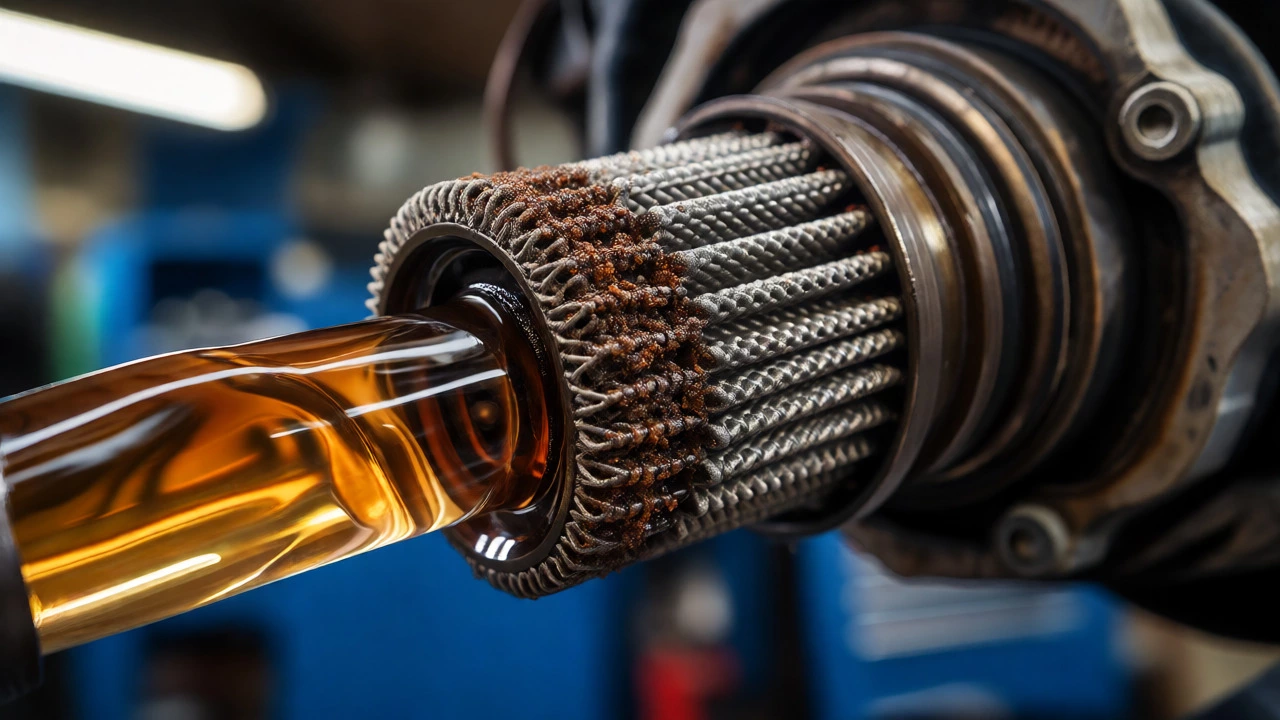
To understand the symptoms, you need to know what happens inside the filter. Think of it like a coffee filter. If the paper gets clogged with grounds, water takes forever to pass through. In your car, if the filter mesh gets packed with sediment from old gasoline or tank rust, fuel can’t flow freely to the injectors.
Modern cars often have the filter integrated into the fuel pump assembly inside the tank, making it less obvious than older external filters. But the physics remain the same. A restricted filter creates a pressure drop. Your engine control unit (ECU) tries to compensate by adjusting timing and fuel mixture, but eventually, it can’t keep up. This mismatch triggers the warning lights and physical sensations we’ll discuss next.
Engine Hesitation and Stalling Under Load
The most common complaint I hear from drivers is hesitation during acceleration. You press the pedal expecting a surge of power, but instead, there’s a pause-a moment where the car feels like it’s thinking about whether to go or not. This usually happens when you’re merging onto a highway or climbing a steep hill.
Why under load? Because high demand requires high volume. At idle, your engine needs very little fuel, so even a partially clogged filter might supply enough. But when you ask for full throttle, the filter simply can’t deliver fast enough. The air-fuel ratio leans out dangerously, causing the engine to stumble or stall completely.
| Symptom | Likely Cause | Related Component |
|---|---|---|
| Hesitation on acceleration | Fuel starvation due to blockage | Fuel Filter |
| Hard starting after sitting | Loss of residual pressure | Fuel Pump Check Valve |
| Rough idling | Inconsistent fuel delivery | Injectors/Filter |
| Check Engine Light | Misfire codes (P0300 series) | ECU/Sensors |
Hard Starting and Poor Cold Starts
Does your car crank for five seconds longer than it used to before firing up? This is another classic red flag. When you turn the key, the fuel pump primes the system, building pressure in the lines. If the filter is dirty, this priming process takes longer because the pump struggles against the resistance.
This issue is particularly noticeable in cold weather. Gasoline is thicker in the cold, and viscous fluid moves slower through a restricted path. If you find yourself turning the ignition multiple times on a frosty Manchester morning, don’t immediately blame the battery. Check the fuel flow first.
Engine Misfires and Rough Idling
A misfire occurs when one or more cylinders fail to ignite properly. While spark plugs are the usual suspects, a lack of fuel can cause the exact same symptom. If the filter is severely clogged, some cylinders may receive slightly less fuel than others, creating an uneven burn.
You’ll feel this as a vibration in the steering wheel or seat while stopped at a traffic light. The engine might sound choppy, almost like it’s trying to run on three cylinders instead of four. Over time, unburned fuel can foul your spark plugs, compounding the problem. So, yes, a bad fuel filter can indirectly kill your spark plugs too.
Weird Noises from the Fuel Tank
This one is subtle but telling. Listen closely when you turn the key to the 'on' position (before starting the engine). You should hear a brief hum from the rear of the car-that’s the electric fuel pump priming. If the filter is clogged, the pump works harder, pushing against higher backpressure. This can change the pitch of the hum, making it sound strained, whiny, or louder than normal.
If the noise persists while driving, especially at low speeds, it’s a sign the pump is overheating. Fuel acts as a coolant for the pump. Low flow means less cooling, which shortens the pump’s lifespan. Replacing a $15 filter now saves you a $300 pump later.
When to Replace vs. Clean
Most modern fuel filters are sealed units and cannot be cleaned effectively. They are designed to be disposable. Older vehicles with inline metal filters can sometimes be blown out with compressed air, but this is rare nowadays.
- Replace every 20,000-40,000 miles: Follow your owner’s manual. If you drive in dusty areas or use lower-quality fuel, shorten this interval.
- Immediate replacement: If you’ve already suffered a fuel pump failure, always replace the filter. Metal shavings from the dead pump will destroy the new pump if left in the old filter.
- Check for contamination: If the filter looks black and sludgy, inspect your fuel tank. Rust flakes indicate tank corrosion, which might require a tank liner or replacement.
How to Test for a Clogged Filter
You don’t need a fancy scanner to get a clue. Here’s a simple field test:
- Locate the filter: Usually along the fuel line under the chassis or inside the tank.
- Disconnect the outlet hose: Place a rag underneath to catch spills.
- Crank the engine: Have a helper turn the key briefly. Fuel should spray out with strong pressure.
- Evaluate flow: If it dribbles or flows weakly, the filter is likely blocked.
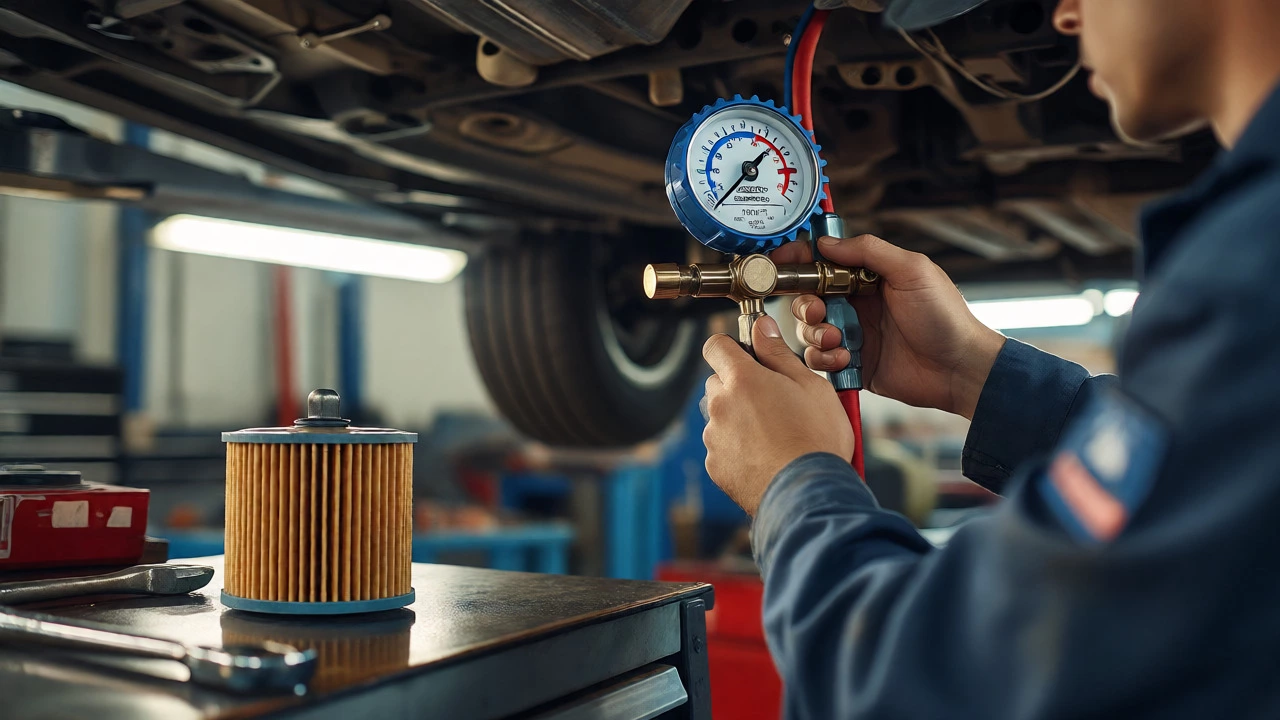
Note: For returnless fuel systems, this test is trickier. A professional mechanic uses a fuel pressure gauge to compare actual pressure against manufacturer specs. A drop of more than 5 PSI under load often signals a restriction.
FAQ: Common Questions About Fuel Filters
Can a clogged fuel filter damage my engine?
Yes. While the filter protects the engine, a severe blockage causes lean running conditions. Lean mixtures burn hotter, which can lead to pre-ignition, piston damage, or catalytic converter failure over time. More directly, it strains the fuel pump, leading to premature pump failure.
How much does it cost to replace a fuel filter?
In the UK, parts typically range from £10 to £50 depending on the vehicle make. Labour costs vary, but since many filters are accessible, it’s a quick job. However, if the filter is inside the fuel tank assembly, labour increases significantly due to the complexity of dropping the tank.
Will a check engine light come on for a clogged fuel filter?
Not always directly. The ECU doesn’t monitor filter cleanliness. Instead, you might see codes related to misfires (like P0301-P0308) or lean/rich conditions (P0171/P0174). These codes prompt further investigation, which may reveal the filter as the root cause.
Can I drive with a bad fuel filter?
You can drive short distances, but it’s risky. If the filter is nearly blocked, you could lose power unexpectedly on a busy road. Additionally, continuing to drive puts excessive stress on the fuel pump, potentially turning a cheap fix into an expensive repair.
Are diesel and petrol fuel filters the same?
No. Diesel filters must also separate water, so they include a water separator element and drain plug. They are generally larger and more robust than petrol filters. Using a petrol filter in a diesel engine will fail quickly due to water contamination.