Rim Fitment & Safety Checker
Ensure your new rims are safe, certified, and properly fitted before buying. Enter your vehicle and wheel specs below to check for common pitfalls.
There is nothing quite like the feeling of seeing your car transformed by a fresh set of alloy wheels lightweight vehicle wheels made from aluminum or magnesium alloys that improve performance and aesthetics. They change the stance, boost the style, and can even shave off unsprung weight for better handling. But here is the hard truth: buying rims is one of the most common places where car owners lose money and gain headaches. The market is flooded with cheap knockoffs, misleading specs, and hidden structural flaws. If you walk into a shop or click "buy" without knowing exactly what to avoid, you risk ruining your suspension, voiding warranties, or worse, losing control on the highway.
You do not need to be a mechanical engineer to buy safe, high-quality wheels. You just need to know where the traps are laid. This guide cuts through the marketing fluff and tells you precisely what to look out for when shopping for new rims in 2026. We will cover fitment disasters, material red flags, and the subtle signs of poor manufacturing that most buyers miss until it is too late.
Key Takeaways
- Fitment is non-negotiable: Ignoring offset, backspacing, and bolt pattern guarantees rubbing issues or unsafe mounting.
- Avoid cast-only claims: Forged or flow-formed wheels offer superior strength-to-weight ratios compared to standard cast alloys.
- Check for certifications: Look for TÜV, JWL, or VIA stamps; uncertified wheels lack crash testing validation.
- Beware of cosmetic shortcuts: Thin lips, uneven finishes, and missing valve stems indicate low-quality manufacturing.
- Verify tire compatibility: Rim width must match tire sidewall specifications to prevent bead failure.
The Fitment Trap: Why Size Is Not Just About Diameter
The biggest mistake buyers make is focusing solely on the diameter (e.g., 18-inch vs. 20-inch) while ignoring the geometry that makes a wheel actually fit their specific vehicle. A wheel might look perfect on a photo, but if the dimensions do not align with your car’s hub and suspension, it is useless-or dangerous.
First, check the bolt pattern the number of lug holes and the diameter of the circle they form, measured in millimeters. This is often written as two numbers, like 5x114.3 or 5x120. The first number is the count of lug nuts; the second is the distance between opposite bolts. If this does not match your car exactly, the wheel will not mount. Do not rely on "universal" claims; they rarely exist in precision automotive parts.
Next comes offset the distance from the wheel's mounting surface to its centerline, measured in millimeters. Offset determines how far inward or outward the wheel sits relative to the suspension. A negative offset pushes the wheel out, creating a wider stance but increasing stress on wheel bearings. A positive offset tucks the wheel inward. If you choose an offset that is too extreme, your tires will rub against the fenders during turns or under braking. Use an online fitment calculator or consult a specialist before purchasing. Guessing here leads to expensive body damage and premature bearing failure.
Do not forget backspacing the distance from the wheel's mounting face to the outer edge of the rim. While related to offset, backspacing is critical for clearance with brake calipers and suspension components. Narrower backspacing means less room for large brakes. If you have upgraded to bigger brake kits, ensure your new rims have enough internal space. Otherwise, you will never get them on the car.
Material Matters: Cast vs. Forged vs. Flow-Formed
Not all alloy wheels are created equal. The manufacturing process dictates strength, weight, and price. Many budget sellers hide the production method behind glossy photos. Here is what you need to avoid and why.
Avoid generic "cast" wheels if performance matters. Casting involves pouring molten aluminum into a mold. It is cheap and fast, but the resulting metal structure has microscopic air pockets and grain inconsistencies. Cast wheels are heavier and more prone to cracking under impact. They are fine for slow city driving, but risky for track use or rough roads.
Prioritize forged or flow-formed options. Forging presses solid aluminum billets into shape under immense pressure. This aligns the metal grains, creating a wheel that is up to 40% lighter and significantly stronger than cast equivalents. Flow-forming (or rotary forging) is a hybrid process that starts with casting but then stretches the barrel mechanically. It offers a great balance of cost and strength. If a seller cannot tell you how the wheel was made, assume it is basic cast-and proceed with caution.
| Process | Strength | Weight | Cost | Best For |
|---|---|---|---|---|
| Cast | Low | Heavy | Low | Daily commuting, tight budgets |
| Flow-Formed | Medium-High | Lighter | Medium | Sporty daily drivers, mild performance |
| Forged | Very High | Lightest | High | Track cars, luxury vehicles, off-road |
Certifications: The Safety Stamp You Must Check
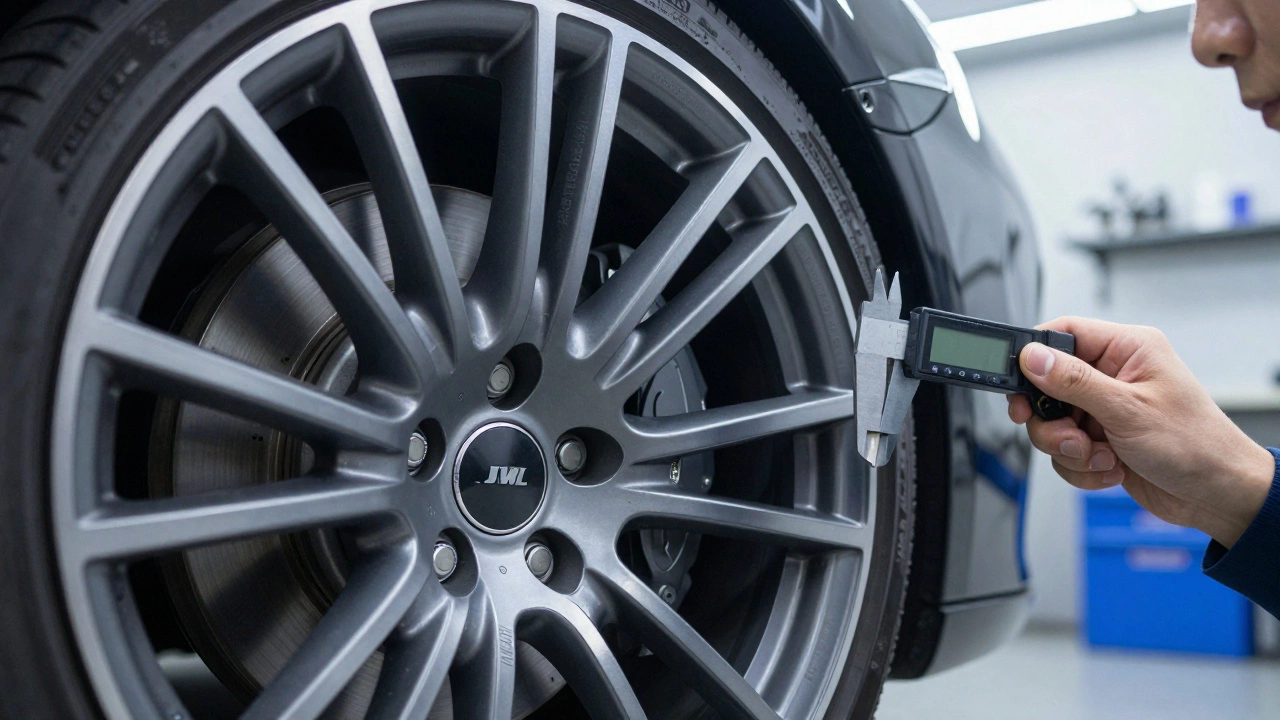
In many regions, selling uncertified wheels is illegal because they have not been tested for safety. However, the aftermarket is full of gray-market imports that skip these steps. Always look for certification marks stamped directly onto the back of the wheel.
JWL/VIA Japanese Wheel Industry Association standards ensuring load capacity and durability is the gold standard for Asian markets and widely respected globally. It confirms the wheel can handle the specified load at high speeds. TÜV German technical inspection association certifying compliance with European safety regulations is another rigorous benchmark, especially important if you drive in Europe or want top-tier assurance. Wheels lacking these stamps may fail under stress, leading to catastrophic separation at speed. Do not accept "meets OEM specs" as a substitute for actual certification codes.
Cosmetic Red Flags: Signs of Poor Quality Control
Even if the specs look right, visual inspection can reveal fatal flaws. Cheap manufacturers cut corners on finishing, which affects longevity and safety.
Inspect the lip thickness. Hold the wheel up to the light. If the outer edge looks paper-thin, it will bend easily from potholes or curbs. A robust rim should feel substantial. Thin lips also compromise the tire bead seat, increasing the risk of blowouts.
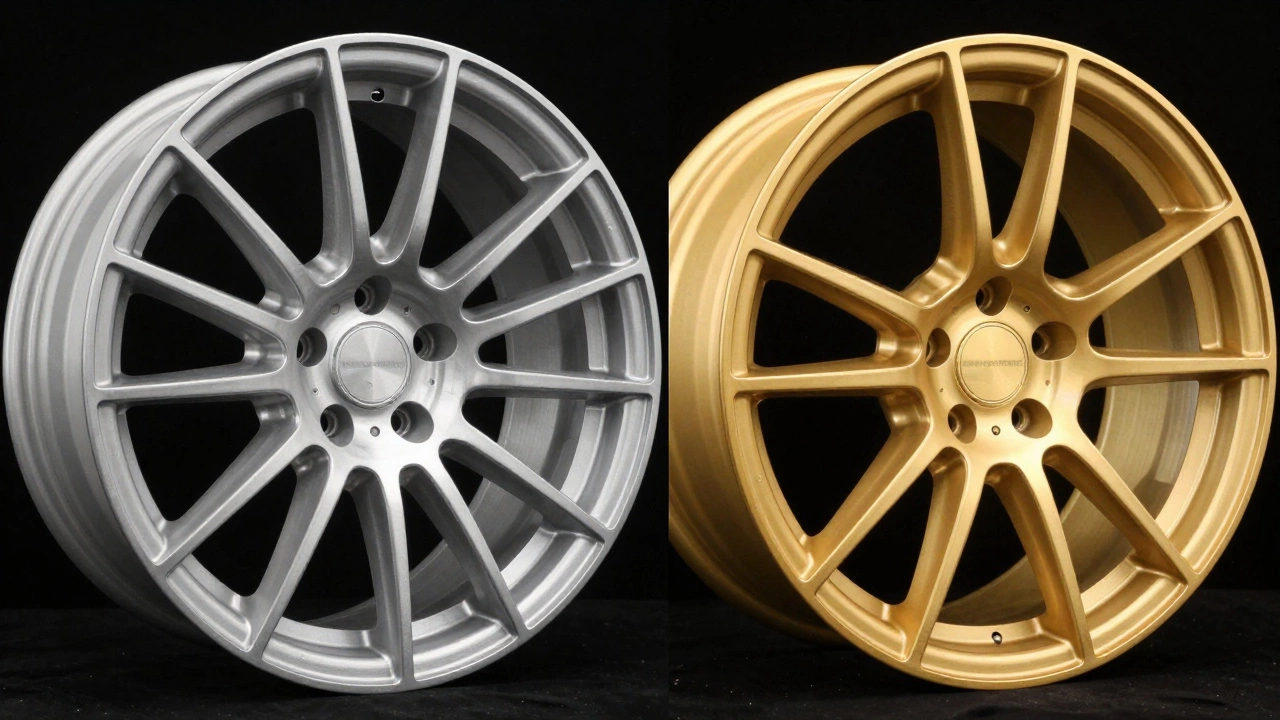
Check the finish consistency. Look closely at painted or polished areas. Runny paint, orange-peel texture, or uneven polishing indicates rushed quality control. These imperfections trap dirt and moisture, leading to corrosion that eats away at the alloy over time. Powder-coated wheels generally resist chipping better than wet paint, so prefer those for harsh climates.
Examine the valve stem area. The hole for the tire valve should be cleanly drilled and centered. Rough edges here can cause slow leaks or prevent proper sealing. Some cheap wheels omit reinforced inserts, making the valve stem weak point.
Tire Compatibility and Load Ratings
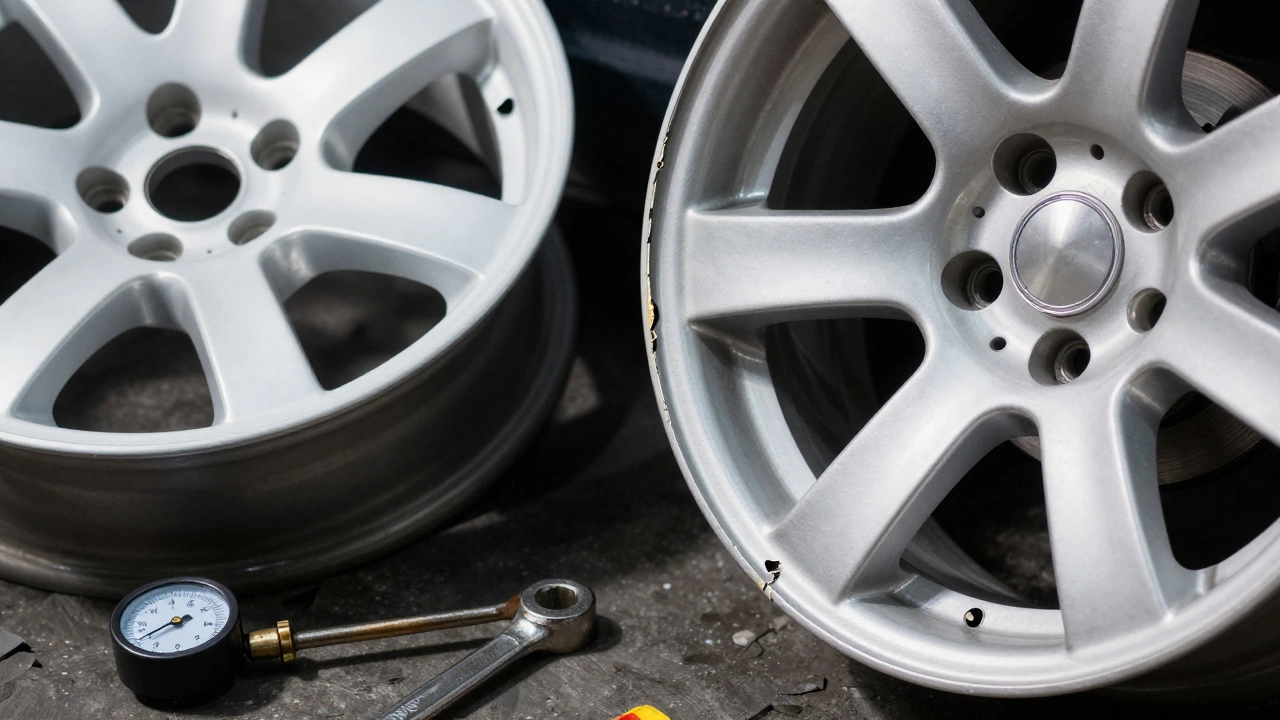
Your new rims must support both your car’s weight and the tires you plan to mount. Every wheel has a load rating maximum weight each wheel can safely carry, usually marked in kg or lbs. Add up your vehicle’s curb weight plus passengers and cargo, divide by four, and ensure the wheel’s rating exceeds that number. Under-rated wheels can crack under heavy loads, especially on highways.
Also verify rim width the internal distance between the bead seats, determining tire profile stability. Tires are designed for specific width ranges. Mounting a wide tire on a narrow rim causes bulging sidewalls and poor handling. Putting a narrow tire on a wide rim risks bead detachment. Consult the tire manufacturer’s recommended rim widths before finalizing your purchase. Mismatched combinations void tire warranties and compromise traction.
Where to Buy: Avoiding Scams and Counterfeits
The rise of online marketplaces has made it easier to find deals-but also easier to fall victim to fakes. Stick to authorized dealers or reputable specialty shops. Be wary of prices that seem too good to be true; they usually are. Counterfeit wheels often use inferior metals and lack proper heat treatment, making them brittle.
Read reviews specifically mentioning long-term durability, not just appearance. Look for feedback about customer service and return policies. Reputable sellers offer warranties against manufacturing defects. If a vendor refuses to provide proof of origin or certification documents, walk away. Your safety is worth more than a small discount.
Installation Pitfalls to Watch Out For
Buying the right wheels is only half the battle. Improper installation can ruin even the best rims. Never install wheels yourself unless you have professional-grade tools and knowledge. Torque specifications vary by vehicle and wheel type. Over-tightening lug nuts can warp the mounting surface or strip threads. Under-tightening risks wheel detachment.
Always use a torque wrench and follow the manufacturer’s sequence. Consider having a professional perform the initial installation and alignment. New wheels change the suspension geometry slightly, so an alignment check prevents uneven tire wear and steering pull. Skipping this step costs more in replacements later than the service fee today.
Can I put any size tire on my new rims?
No. Tire width and aspect ratio must match the rim’s width and diameter specifications. Using incompatible tires can lead to poor handling, accelerated wear, or bead failure. Always check the tire manufacturer’s recommended rim range.
How do I know if my wheels are certified?
Look for stamps like JWL, VIA, or TÜV on the inner barrel of the wheel. These markings indicate the wheel passed rigorous safety tests for load capacity and impact resistance. Uncertified wheels pose significant safety risks.
Is it worth paying extra for forged wheels?
If you prioritize performance, weight reduction, or durability, yes. Forged wheels are lighter and stronger than cast ones, improving acceleration, braking, and fuel efficiency. For casual daily driving, flow-formed wheels offer a good compromise.
What happens if I choose the wrong offset?
Incorrect offset causes tires to rub against fenders or suspension parts, leading to damage and noise. Extreme offsets also strain wheel bearings and ball joints, causing premature failure and potential loss of control.
Should I buy used rims?
Only if you can thoroughly inspect them for cracks, bends, or corrosion. Used wheels may have hidden structural damage from past impacts. Verify certification stamps and ensure they fit your vehicle’s exact specifications.