Air Filter Comparison: Types, Performance, and When to Upgrade
When you think about your car’s air filter, a component that blocks dirt and debris from entering your engine’s intake system. Also known as an engine air filter, it’s one of the few parts that directly affects how efficiently your engine breathes—and how long it lasts. A dirty or wrong-type air filter doesn’t just hurt performance; it can cost you money in fuel and repairs. But not all filters are created equal. From paper to cotton, OEM to aftermarket, the choice you make matters more than you think.
The cabin air filter, a separate filter that cleans the air entering your car’s interior through the HVAC system is often confused with the engine air filter, but they serve completely different jobs. One protects your engine; the other protects your lungs. You’ll find both in most modern vehicles, and both need regular checks. Many drivers replace their engine air filter every 12,000 to 15,000 miles, but if you drive on dusty roads or in heavy traffic, you might need to swap it sooner. And if you’ve ever sneezed every time you turned on the AC, that’s your cabin filter screaming for help.
When comparing air filter types, the materials and designs used to trap contaminants while allowing airflow, you’ve got three main options: paper, foam, and cotton gauze. Paper is the standard—it’s cheap, effective, and disposable. Foam lasts longer and handles wet conditions better, which is why it’s common in motorcycles and off-road vehicles. Cotton gauze filters, often reusable and washable, promise better airflow and horsepower gains, but they need proper oiling and maintenance. Skip the cheap no-name brands; they crumble under pressure and let dust through. Stick with names you trust, or at least check reviews from real drivers.
Here’s the thing: a clogged air filter doesn’t just reduce power. It makes your engine work harder, which burns more fuel. Some tests show a dirty filter can drop your MPG by up to 10%. And if you’re driving a diesel or turbocharged car, the stakes are even higher—those engines demand clean air to avoid expensive damage. Replacing your air filter is one of the easiest, cheapest maintenance tasks you can do. It takes less than 10 minutes, no tools needed in most cases, and costs less than a coffee.
But don’t just guess when it’s time to change it. Look for symptoms: rough idling, sluggish acceleration, or a check engine light that comes on without any other clear cause. Those aren’t just random glitches—they’re your car telling you it’s struggling to breathe. And if you’re comparing filters online, pay attention to airflow ratings, not just price. A filter that flows better than stock can give you a small but real boost in throttle response, especially if you’ve done other mods like an exhaust upgrade.
Whether you’re driving a daily commuter, a weekend越野车, or a boat with a marine engine, clean air is non-negotiable. Marine engines? They face salt, humidity, and debris you’d never see on the road. That’s why marine-grade air filters are built tougher. Same principle applies to your car—choose the right filter for your environment.
Below, you’ll find real-world comparisons, symptoms you can’t ignore, and tips on picking the right filter for your vehicle. No fluff. No marketing hype. Just what works.
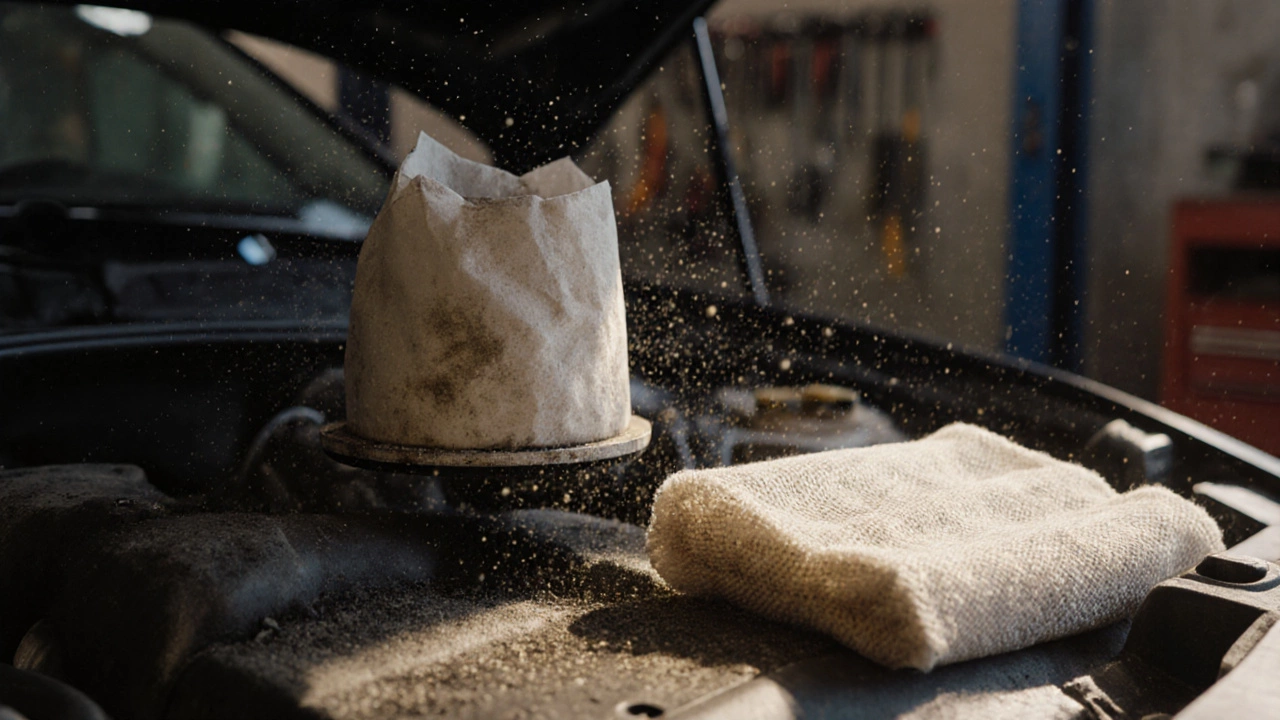
Paper vs Washable Air Filter: Which One Actually Saves You Money and Keeps Your Engine Healthy?
Nov 16 2025 / Air FiltersChoosing between a paper and washable air filter affects your engine's health, fuel economy, and long-term costs. Here's what actually works based on real driving habits and maintenance needs.
VIEW MORE