Alloy vs Steel Wheels: Which One Really Fits Your Car or Boat?
When you’re choosing between alloy wheels, lightweight wheels made from aluminum or magnesium alloys, commonly used for performance and style and steel wheels, heavy-duty, stamped metal wheels often found on base models and work vehicles, you’re not just picking a look—you’re deciding how your vehicle handles, costs to maintain, and holds up over time. Alloy wheels are popular for their sleek design and better heat dissipation, while steel wheels are the go-to for rugged use, especially on boats or in harsh weather. These aren’t just cosmetic choices—they affect fuel efficiency, braking, and even how your tires wear down.
The real difference comes down to what you drive and where. If you’re hauling gear on rough roads or parking your boat trailer on saltwater docks, steel wheels won’t crack under pressure. They’re cheaper to replace, easier to fix with a hammer, and won’t corrode as fast when exposed to moisture. On the other hand, if you’re driving a daily car on paved roads and care about ride quality, alloy wheels reduce unsprung weight, which improves handling and makes your suspension work better. They also help your brakes stay cooler during heavy use—something that matters if you’re towing or driving in hilly areas. But here’s the catch: alloy wheels are more fragile. A single pothole can bend them, and repairing them often costs more than replacing a steel wheel.
Marine environments make this decision even clearer. Saltwater eats away at aluminum alloys faster than steel, so many boat owners stick with steel for trailers and spare wheels. But on the car side, alloy wheels are the norm for mid-range and higher trims—not just because they look good, but because they’re lighter, which helps with acceleration and fuel economy. You’ll find that most modern cars come with alloys as standard, while steel wheels are often tucked away as winter or spare options. Still, if you live in a place with rough roads, icy winters, or frequent off-road use, steel wheels give you peace of mind. And if you’re replacing a damaged wheel, knowing the difference helps you avoid overpaying for something you don’t need.
What you’ll find in the posts below aren’t just generic comparisons—they’re real-world stories from people who’ve swapped wheels, dealt with corrosion, and learned the hard way which type lasts longer under stress. Whether you’re fixing a trailer, upgrading your daily driver, or just trying to avoid a costly mistake, the advice here cuts through the marketing noise and shows you what actually works on the road and on the water.
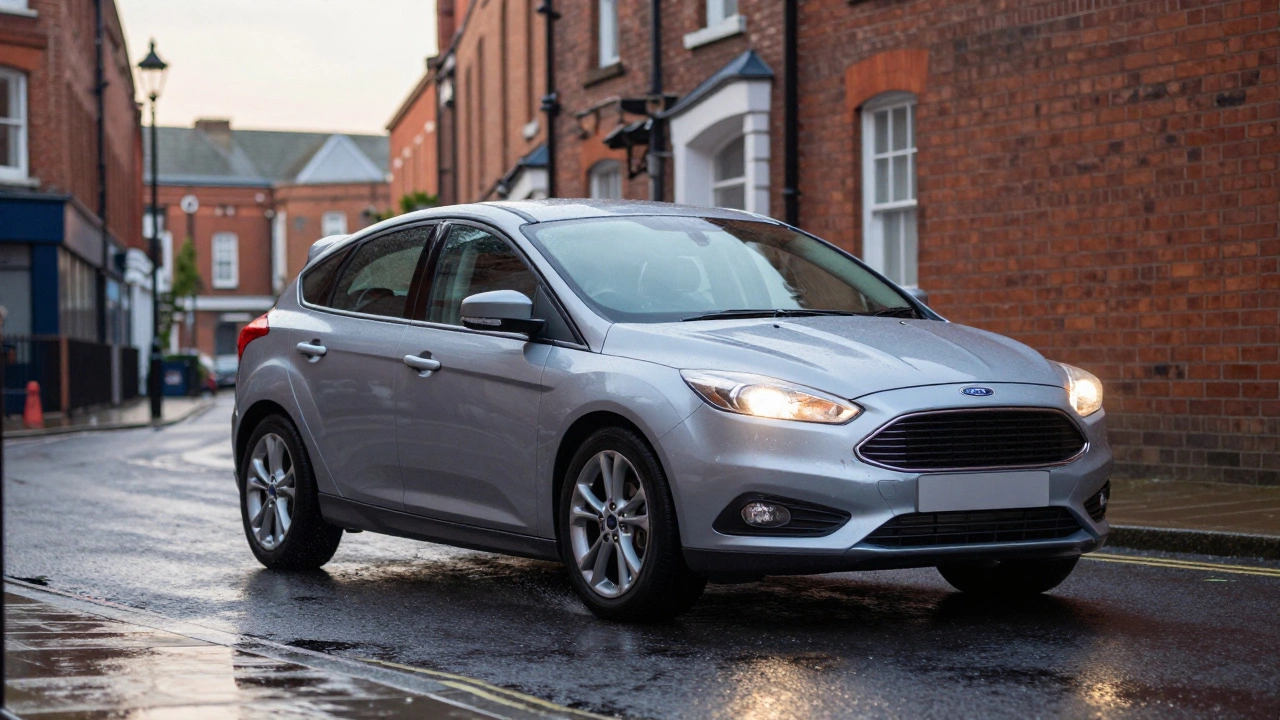
What Are the Benefits of Alloy Wheels? Real Advantages You Can Feel
Dec 1 2025 / WheelsAlloy wheels offer real benefits like better handling, improved fuel efficiency, and enhanced braking performance. They're lighter, look better, and can even extend tire life. Find out why they're worth the upgrade.
VIEW MORE