Alloy Wheel Fuel Savings Calculator
Alloy wheels reduce unsprung weight by 20-30%, improving fuel economy by 1-2%. Calculate your potential savings based on your driving habits.
Your Potential Savings
Based on 1-2% fuel efficiency improvement from lightweight alloy wheels (article data).
Alloy wheels aren’t just there to look good-they change how your car drives, stops, and even how much you spend on fuel. If you’ve ever wondered why so many drivers swap out their basic steel wheels for alloys, it’s not just about style. There’s real science behind the upgrade, and the differences show up in everyday driving.
Lighter Weight, Better Handling
Alloy wheels are typically 20% to 30% lighter than steel wheels of the same size. That might not sound like much, but every pound you take off the unsprung weight-meaning parts not supported by the suspension-makes a noticeable difference. Lighter wheels mean your suspension doesn’t have to work as hard to keep the tire on the road, especially over bumps or rough surfaces. The result? More precise steering, quicker response when turning, and better grip in corners.
Think of it like wearing heavy boots versus lightweight running shoes. You can move faster, change direction easier, and feel more connected to the ground. That’s exactly what lighter alloy wheels do for your car. Drivers in Manchester who tackle narrow, uneven streets or winding country roads notice this immediately. It’s not a magic trick-it’s physics.
Improved Fuel Efficiency
Less weight means less energy needed to move the car. Every extra pound adds up over time. A set of four alloy wheels that are 10 pounds lighter each saves 40 pounds total. Over the course of a year, that can translate to a 1% to 2% improvement in fuel economy. For someone driving 12,000 miles a year with an average car that gets 35 mpg, that’s roughly 15 to 30 extra miles per year-no engine mods, no driving changes needed.
It’s not just about saving a few pounds of fuel. Lighter wheels reduce rotational inertia, which means the engine doesn’t have to work as hard to get the wheels spinning up to speed. That’s why you’ll often hear a slight difference in acceleration when switching from steel to alloy wheels-it’s smoother, quicker, and feels more responsive.
Better Heat Dissipation for Safer Braking
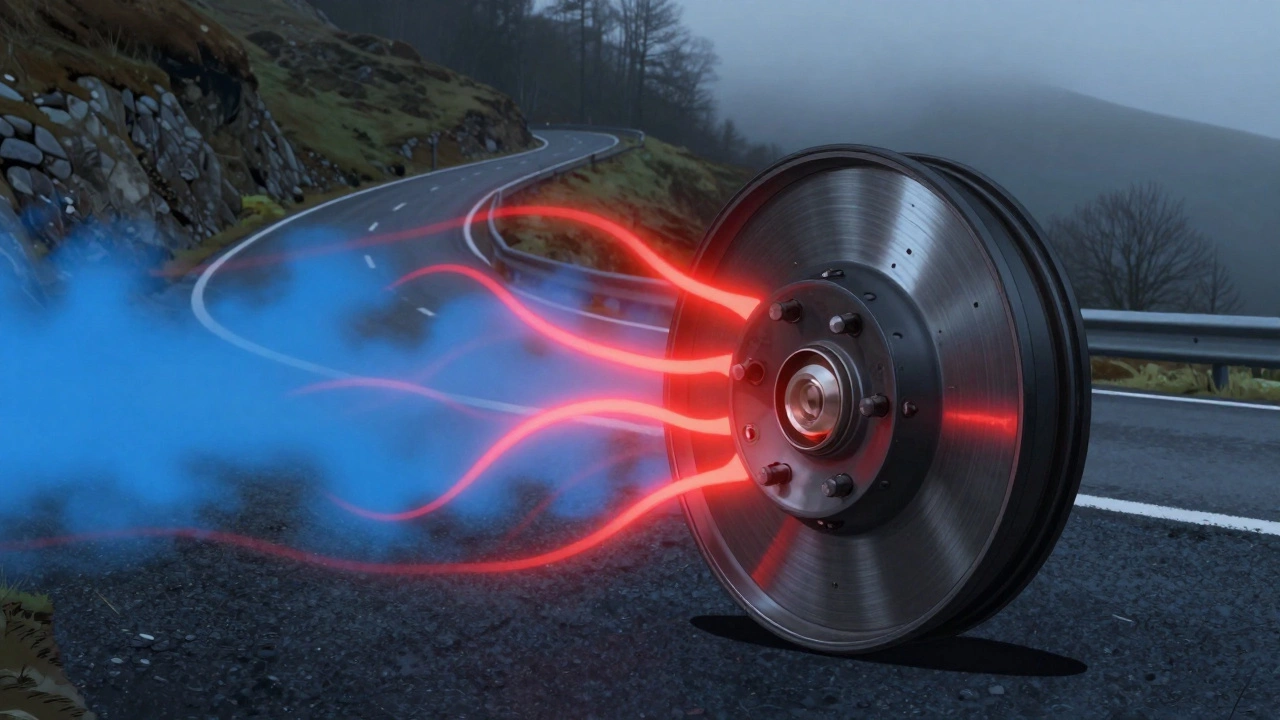
Alloy wheels, especially those made from aluminum, conduct heat much better than steel. That’s critical because your brakes generate a lot of heat during stops. When that heat builds up, brake performance drops-a condition called brake fade. Alloy wheels help pull heat away from the brake assembly, keeping things cooler for longer.
On a long descent down a steep hill, or during repeated hard braking in city traffic, this matters. Steel wheels trap heat, which can cause brake fluid to boil and brakes to feel spongy. Alloy wheels help prevent that. Many drivers in the UK who commute daily through hilly areas like the Peak District or the Lake District report more consistent braking performance after switching to alloys.
Enhanced Appearance and Resale Value
Let’s be honest-alloy wheels look better. They come in dozens of designs: polished, machined, painted, split-spoke, multi-spoke. They give even an older car a modern, premium look. That visual upgrade isn’t just for show. When it comes time to sell, cars with original alloy wheels often fetch a higher price. Buyers notice them. They associate alloys with better maintenance and higher trim levels.
Even if you’re not planning to sell, the psychological boost is real. Driving a car with clean, well-maintained alloys just feels nicer. It’s the difference between a car that looks like it’s been driven hard and one that looks cared for. And in the UK, where weather can be harsh on wheels, keeping alloys looking good often means you’re also keeping the rest of the car in better shape.
More Tire Options and Better Performance
Alloy wheels are designed to fit a wider range of tire sizes and types. That gives you more flexibility when choosing tires for different seasons or driving conditions. Need wider tires for better grip in wet weather? Want low-profile tires for sharper handling? Alloy wheels make it easier to fit them without rubbing or clearance issues.
Steel wheels often limit your choices because they’re built for standard, mass-market tires. Alloy wheels are engineered with precision, allowing for tighter tolerances and better fitment. This means your tires sit straighter, wear more evenly, and last longer. You’ll notice less vibration and uneven tread wear, which saves money over time.
Downsides? Yes-but They’re Manageable
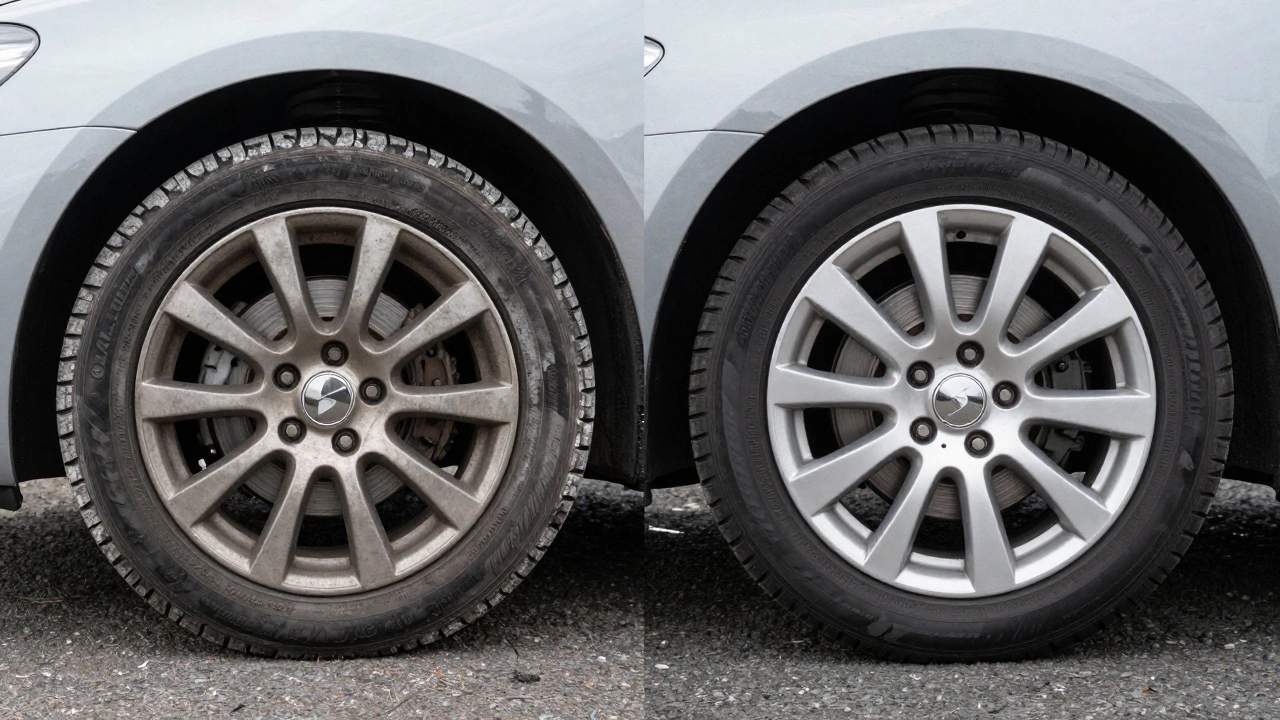
Alloy wheels aren’t perfect. They’re more expensive upfront-often 2 to 3 times the cost of steel wheels. They’re also more prone to cosmetic damage like curb rash. A single scrape against a parking block can leave a visible mark that’s harder to fix than a dent in steel.
But here’s the thing: repairs are possible. Many local garages in Manchester offer alloy wheel refurbishment for under £80 per wheel. That’s cheaper than replacing them. And with proper care-like avoiding potholes and using wheel protectors-the damage can be minimal.
Also, alloys can corrode if not sealed properly, especially in winter when road salt is everywhere. But modern alloys come with protective coatings, and regular washing after winter drives keeps them looking new.
Who Benefits Most From Alloy Wheels?
If you drive in cities with rough roads, take long commutes, or enjoy spirited driving on back roads, alloys are worth it. They’re ideal for:
- Drivers who care about fuel economy and want to save money over time
- People who live in areas with wet, slippery conditions and need better braking
- Those who want a cleaner, more modern look without buying a new car
- Owners of performance or premium cars where the factory already uses alloys
On the other hand, if you drive mostly on smooth highways, rarely take corners, or are on a tight budget, steel wheels still do the job. But if you’ve got the option, alloys give you more-better performance, better looks, and better resale.
Real-World Example: A Manchester Commuter’s Experience
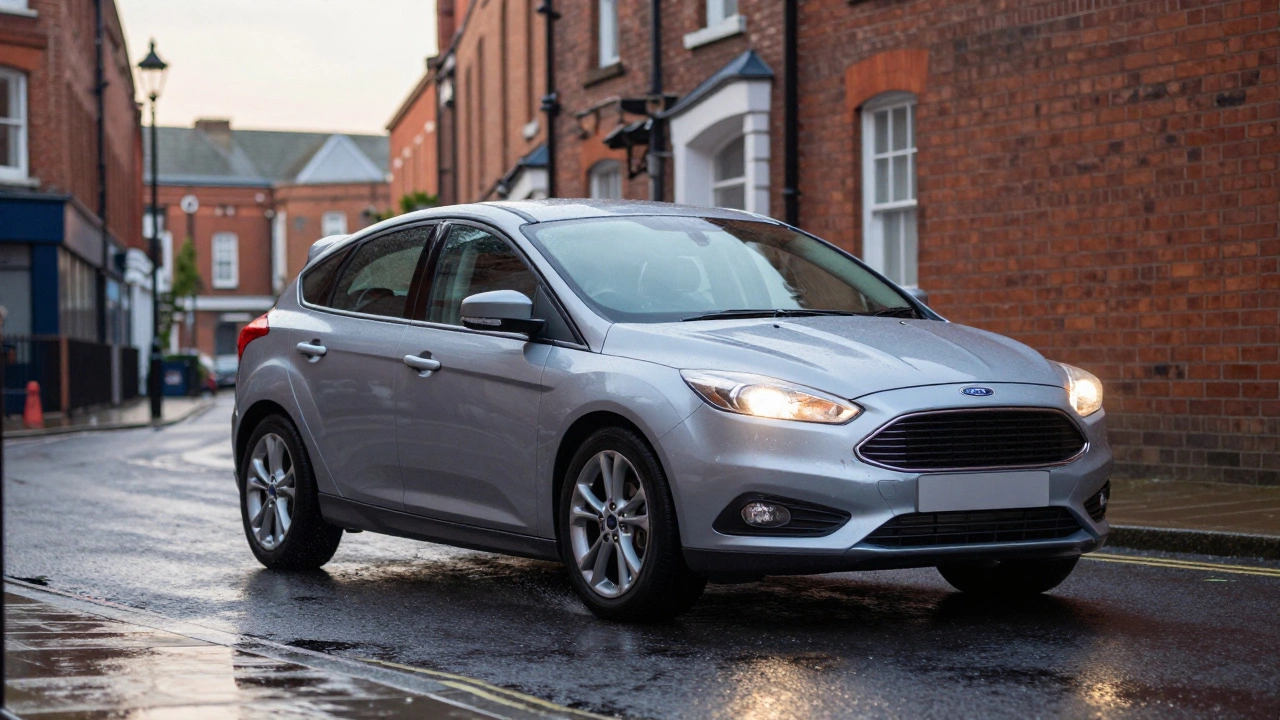
One driver in Wythenshawe swapped her 2018 Ford Focus from steel to 17-inch alloy wheels last winter. She noticed the car felt more composed on wet roads, and her fuel consumption dropped from 42 mpg to 44 mpg. After six months, her tires showed 15% less uneven wear. She didn’t fix a single curb scrape-she just washed the wheels more often. Now, she says she wouldn’t go back.
That’s not an outlier. It’s a pattern. Alloy wheels don’t just change how your car looks-they change how it behaves. And once you feel the difference, it’s hard to ignore.
Are alloy wheels worth the extra cost?
Yes, if you drive regularly and care about performance, safety, or resale value. While they cost more upfront, the long-term savings on fuel, tire wear, and brake maintenance often pay them off within a couple of years. Plus, the improved handling and appearance add real daily value.
Do alloy wheels improve ride comfort?
Not directly. Ride comfort is mostly about tire pressure, suspension setup, and tire sidewall height. But because alloy wheels are lighter, they reduce the force transmitted through the suspension, which can make bumps feel smoother. It’s subtle, but noticeable on rough roads.
Can I put alloy wheels on any car?
Most cars can, but you need to match the bolt pattern, center bore, and offset. These specs are listed in your owner’s manual or can be checked with a professional. Installing the wrong wheels can cause handling issues or damage to the suspension. Always verify fitment before buying.
Do alloy wheels require special maintenance?
Not much. Wash them regularly with mild soap and water, especially after winter when road salt builds up. Avoid harsh cleaners or pressure washers directly on the finish. If they get scratched, professional refinishing is affordable and restores them to near-new condition.
Are alloy wheels stronger than steel wheels?
Not necessarily. Steel wheels bend under heavy impact but are harder to crack. Alloy wheels are more rigid and can crack or shatter under extreme force, like hitting a deep pothole at speed. For daily driving, both are safe. For off-roading or heavy-duty use, steel may be more forgiving.