Bad Suspension Sound – What It Means and How to Fix It
When dealing with bad suspension sound, any unexpected clunk, squeak, or rattle that comes from a vehicle’s suspension system. Also known as suspension noise, it often signals that something inside the suspension has begun to wear out. Shock absorber absorbs road bumps and keeps the wheels in contact with the road and strut combines a shock absorber with a structural component that supports the vehicle’s weight are the most common culprits. If they’re damaged, the vehicle’s handling how the car responds to steering, braking and acceleration can feel loose or unpredictable. Recognizing the sound early saves money because you can replace a single worn part instead of a whole set. A typical driver might hear a metallic “clunk” when hitting a pothole – that’s often a sign of a broken bush or a loose ball joint, both of which feed into the overall suspension health.
Common Sources of Bad Suspension Sound
Most bad suspension sound issues start with fatigue in the components that connect the wheels to the chassis. Worn bushings rubber or polyurethane cushions that isolate vibration will let metal‑on‑metal contact create squeaks during turns. A leaking or cracked shock absorber fails to dampen motion, leading to a thudding noise over bumps is another red flag; you might feel the car bounce more than usual. Struts that have lost internal fluid or have a broken mount will produce a deep knocking sound especially when going over uneven surfaces. Even the simple act of an unbalanced tire can cause a rhythmic rattle that masquerades as a suspension issue, so checking tire balance and pressure is a quick first step. When you combine these observations with a visual inspection – looking for dents, oil leaks on the shock body, or loose bolts – you can narrow down the exact source.
Once you’ve identified the likely offender, the next move is to decide whether you can DIY the fix or need a professional. Replacing worn bushings often just requires a press and a few hand tools, while swap‑out of a shock absorber may need a spring compressor for safety. If you notice the sound changes with speed or only appears during hard braking, it could be linked to the brake system rather than the suspension, so a quick brake inspection protects you from misdiagnosis. The collection of articles below walks you through each symptom, shows you how to test for wear at home, and explains which parts generally need replacement to restore a quiet, comfortable ride. Armed with that knowledge, you’ll spot a bad suspension sound before it turns into a costly repair.
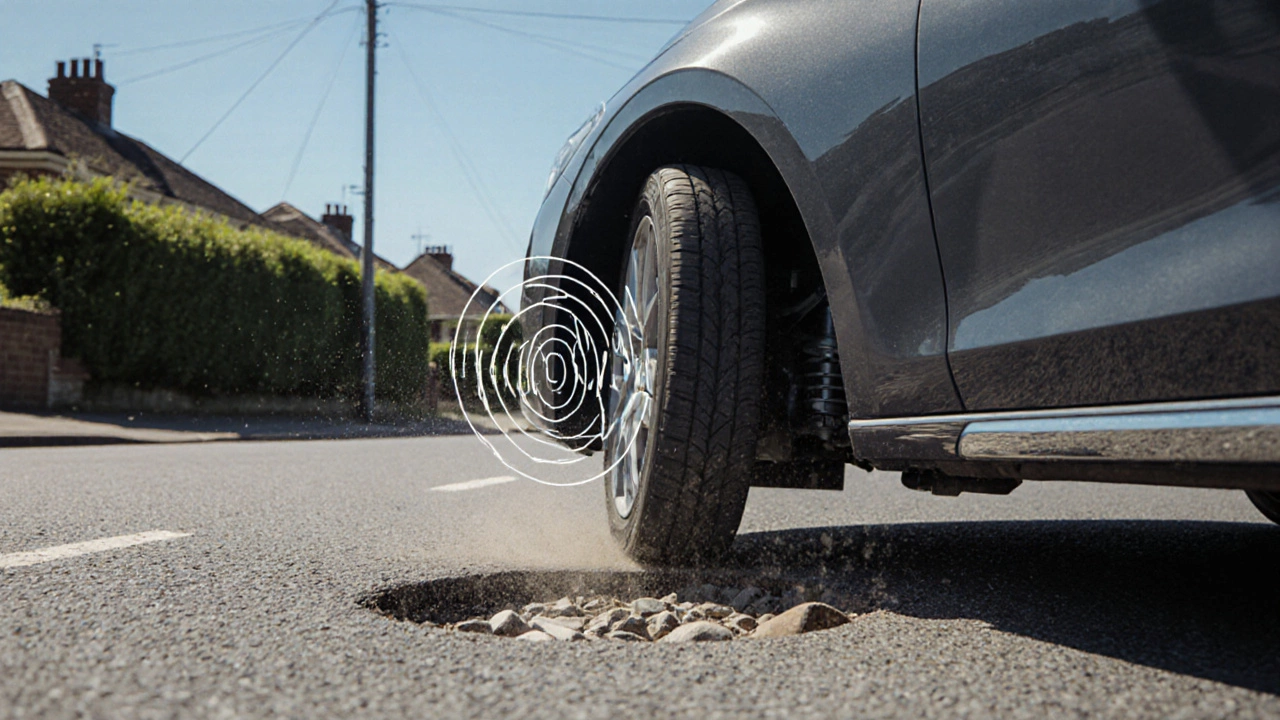
How to Identify a Bad Suspension Sound and Fix It
Oct 14 2025 / Suspension PartsLearn to recognize the sounds of a failing suspension, link each noise to its component, and get step‑by‑step tips for diagnosing and fixing bad suspension sounds.
VIEW MORE