Brake Pad Inspection: How to Spot Wear Before It Fails
When working with brake pad inspection, the process of measuring pad thickness, looking for scoring and listening for noises to assess brake health. Also known as brake pad check, it helps you avoid reduced stopping power and expensive repairs. Brake pad inspection is the first line of defence against unsafe braking.
What You’ll Be Looking At
A solid inspection starts with the brake wear indicators, small metal tabs that squeak when the pad material is almost gone. These indicators act as a built‑in alarm system, and hearing that squeal means it’s time to measure the pad thickness. The presence of worn indicators directly influences the decision to replace pads, creating a clear semantic link: brake pad inspection requires checking brake wear indicators.
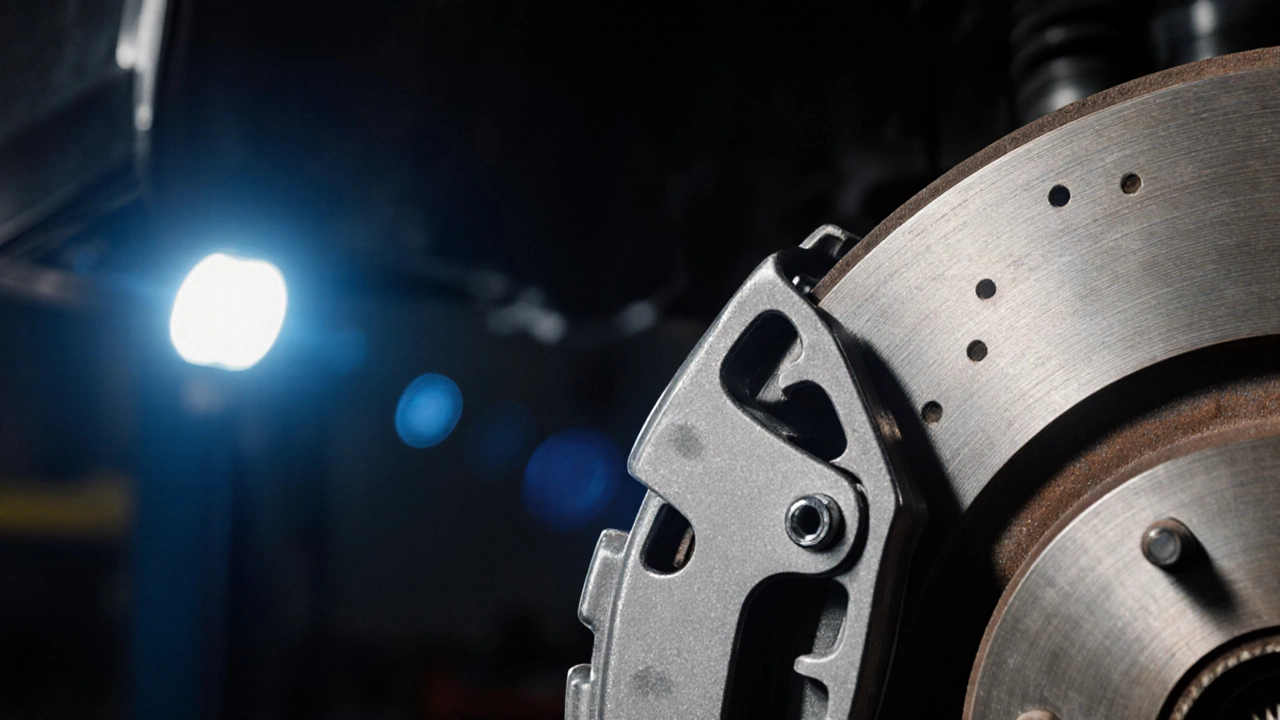
Next, turn your attention to the brake rotors, the metal discs the pads clamp onto. Rotors that are scored, warped, or excessively thin will cause uneven pad wear and vibration. Because rotor condition affects pad lifespan, a thorough brake pad inspection includes rotor surface evaluation.
Don’t forget the brake fluid, which lubricates the hydraulic system. Low fluid level or contaminated fluid can lead to spongy pedal feel and reduced pressure, masking true pad wear. Checking fluid quality is a complementary step that supports accurate pad assessment.
Finally, arm yourself with the right brake inspection tools, such as a thickness gauge, a flashlight, and a feeler gauge. These tools make it easy to measure pad depth to the recommended minimum (usually 3 mm for most passenger cars). Using proper tools enables a precise inspection and reduces guesswork.
Putting it all together, a typical brake pad inspection follows this flow: examine wear indicators, measure pad thickness, inspect rotor surface, verify brake fluid condition, and record findings with the right tools. Most experts advise checking pads every 10,000 miles or whenever you hear a squeal, feel a soft pedal, or notice longer stopping distances.
Below you’ll find a curated list of articles that dive deeper into each of these steps, from spotting the first warning signs to choosing the best replacement pads for UK drivers. Use the insights here as a roadmap, then explore the detailed guides that follow.
How to Tell When Your Brake Pads Are Worn
Oct 17 2025 / Brake PadsLearn the key signs, inspection steps and safety tips to know when your brake pads need replacement.
VIEW MORE