Brake Pad Replacement: How to Know When It’s Time and What to Do
When working with Brake Pad Replacement, the act of removing worn brake pads and installing new ones to restore reliable stopping power. Also known as pad change, it keeps your vehicle safe on the road.
Ever wondered why your car seems to shudder when you press the brake? That‑to‑you‑signal is often the first sign that the pads are worn thin. If you hear a high‑pitched squeal, feel a longer stopping distance, or notice vibration in the steering wheel, it’s time to think about brake pad replacement. These symptoms aren’t just annoyances; they’re safety warnings. Ignoring them can lead to rotor damage, costly repairs, and a serious loss of control.
Speaking of rotors, they’re the steel discs the pads clamp onto, and their health directly influences pad lifespan. Brake Rotor, a rotating metal surface that works with the pads to slow the wheel can develop scoring, rust, or warping when pads are overly worn. A common rule of thumb is: if the rotor surface looks uneven or you feel a pulsating brake pedal, you might need rotor resurfacing or replacement alongside the pad change. This is a classic example of the semantic triple: brake pad replacement is closely linked to brake rotor health.
Another player in the braking trio is the caliper, the component that pushes the pads against the rotor. Brake Caliper, the hydraulic lever that forcefully presses the pads onto the rotor can seize or leak, causing uneven pad wear. If you notice one side of the vehicle pulling to one side when braking, the caliper might be the culprit. Understanding this relationship helps you diagnose whether the issue is just pads or a deeper caliper problem.
Don’t forget about the fluid that moves the whole system. Brake fluid must stay clean and at the correct boiling point; contaminated fluid can mute the force that pushes the caliper pistons. A simple rule: brake pad replacement requires healthy brake fluid to work properly. If the fluid looks dark or you haven’t flushed it in the last two years, consider a brake fluid bleed at the same time you swap the pads. This prevents future spongy brakes and extends the life of the new pads.
What tools do you really need for the job? A basic kit includes a lug wrench, a jack and stands, a C‑clamp or piston retract tool, and a set of socket wrenches. For most cars, a torque wrench is essential to tighten bolts to spec. If you’re comfortable with a little mess, a brake cleaner spray helps remove dust and debris before you install the fresh pads. Having the right tools makes the process smoother and reduces the chance of re‑install errors.
DIY enthusiasts often wonder: should I tackle this myself or call a professional? If you have a decent garage space, the right tools, and a willingness to follow step‑by‑step guides, you can save money and learn a valuable skill. However, if the calipers look corroded, the rotors are excessively worn, or you feel unsure about bleeding the fluid, a qualified mechanic can ensure the job is done safely. Remember, brake systems are unforgiving—mistakes can cost far more than a professional service.
Cost is another practical factor. New brake pads can range from £30 for basic ceramic sets to £120 for high‑performance options. Adding rotor resurfacing or replacement can add £50‑£150 per axle, while a brake fluid flush typically costs around £40‑£70. Budgeting for the whole package—not just the pads—helps you avoid surprise invoices later. It also lets you plan for future maintenance, like checking pad thickness every 10,000 miles.
Below you’ll find a curated collection of articles that dive deeper into each of these topics. From spotting early wear signs to detailed step‑by‑step replacement guides, the posts cover everything you need to keep your braking system in top shape. Keep reading to discover practical tips, cost breakdowns, and expert advice that will help you decide when to DIY and when to hand the job over to a pro.
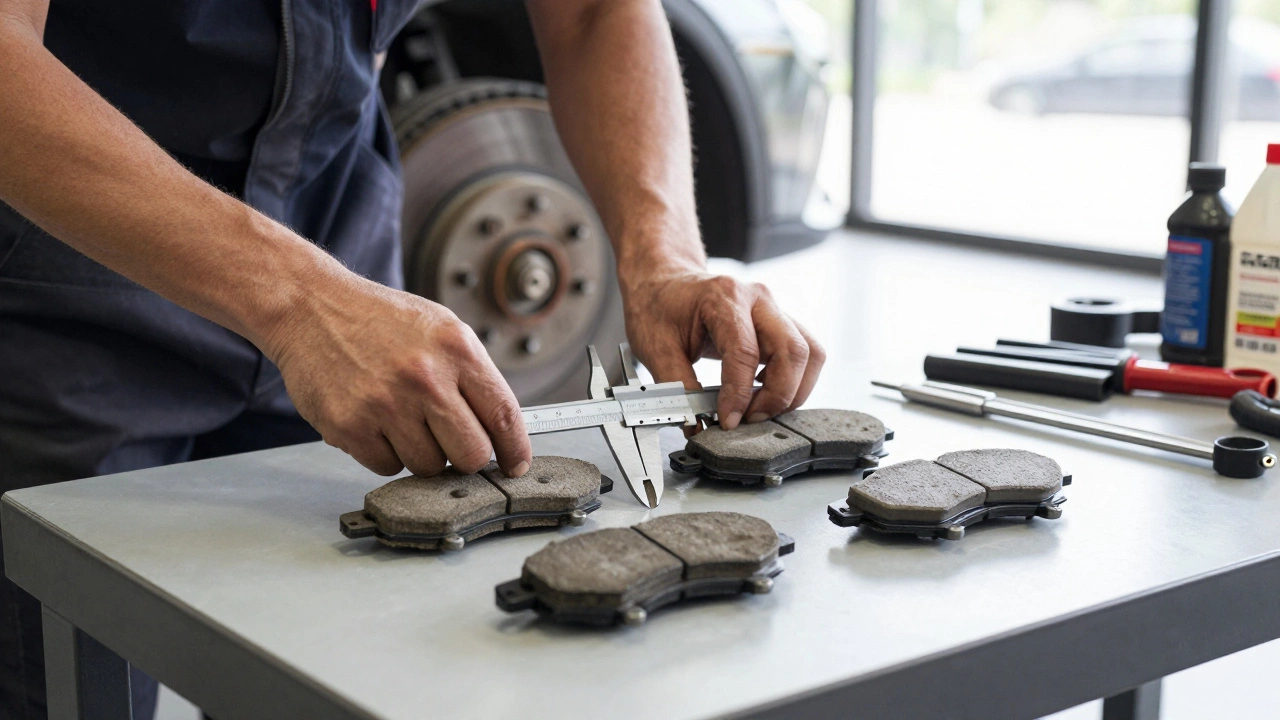
How Much Should 4 Brake Pads Cost in 2026?
Jan 5 2026 / Brake PadsFind out how much 4 brake pads should cost in 2026, including parts, labour, and pad types. Learn what's fair, where to save money, and how to avoid common scams.
VIEW MORE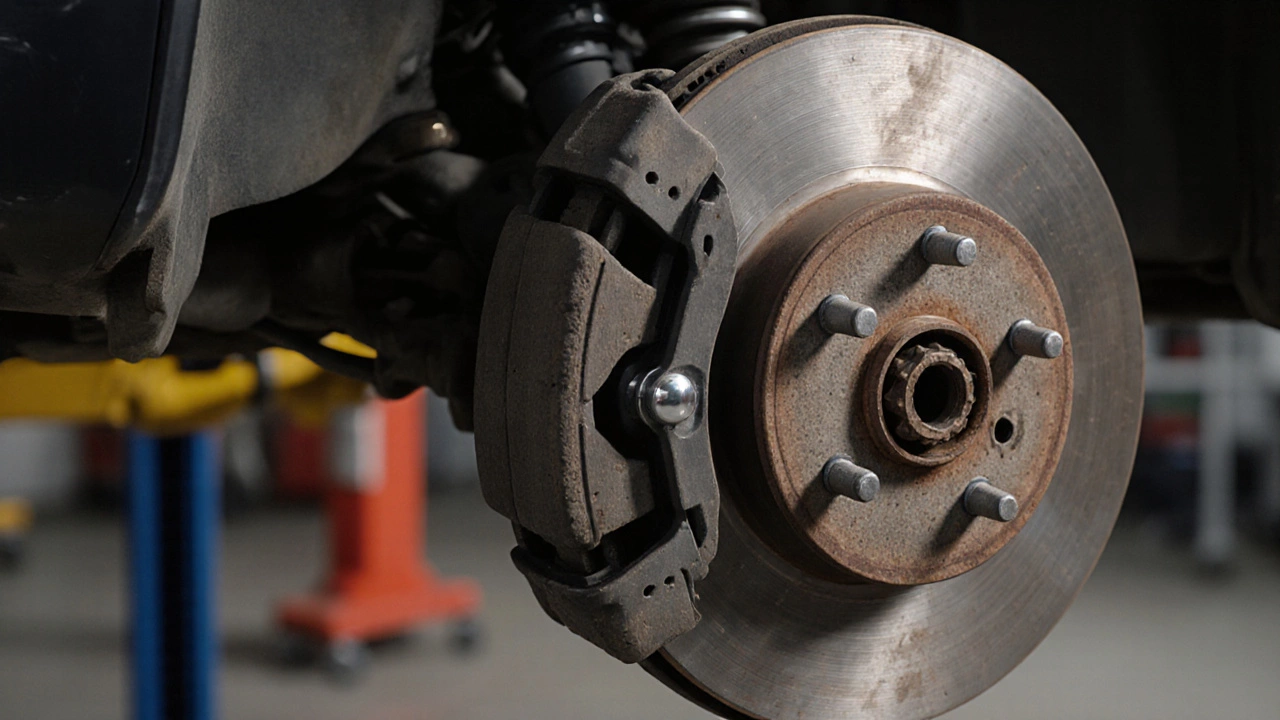
Brake Pad Replacement: How Often Should You Change Them?
Oct 9 2025 / Brake PadsFind out how often brake pads should be changed, signs of wear, lifespan factors, material comparisons, and maintenance tips for UK drivers.
VIEW MORE