Brake Pad Cost Calculator
Estimate Your Brake Pad Cost
Get a realistic estimate for brake pad replacement based on your vehicle and location in the UK.
Estimated Cost
Replacing brake pads isn’t just a maintenance task-it’s a safety must. If you’re hearing squealing, feeling vibration, or noticing longer stopping distances, your pads are worn. But before you head to the garage, you’re probably wondering: how much should 4 brake pads cost? The answer isn’t simple. It depends on your car, where you live, and whether you’re buying cheap parts or premium ones. In the UK, especially in places like Manchester, you’re looking at anywhere from £80 to £400 for a full set, including labour. Let’s break down exactly what you’re paying for.
What’s Included When You Buy 4 Brake Pads?
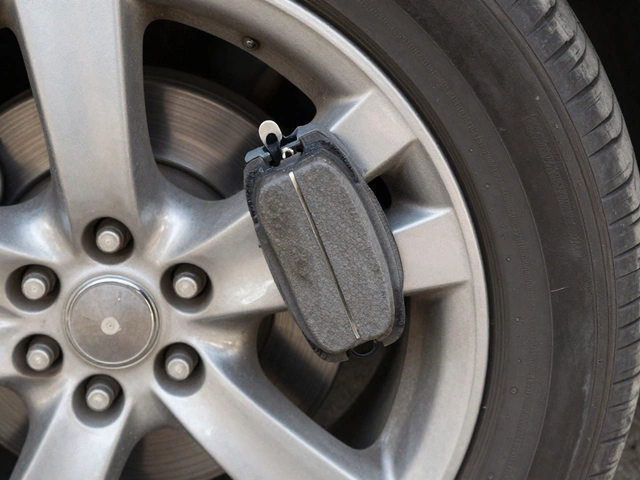
When you hear "4 brake pads," you’re talking about the front or rear set. Most cars need two pads per wheel, so four total. But here’s the catch: brake pads don’t always come in sets of four. Some manufacturers sell them in pairs-two for the front, two for the rear. So if you’re replacing all four, you might need to buy two separate pairs. Always check the packaging.
Brake pads themselves are just one part of the job. Good mechanics will also inspect the rotors (discs), calipers, brake fluid, and hardware like clips and shims. If rotors are scored or warped, they’ll need resurfacing or replacement. That adds to the cost. Some budget shops try to lowball you on pads, then upsell rotors you don’t need. Others skip the inspection entirely. Know what’s included.
Brake Pad Types and Their Price Ranges
Not all brake pads are the same. There are three main types, each with different performance, lifespan, and price tags:
- Organic (non-asbestos): Made from glass, rubber, and resins. Soft, quiet, and gentle on rotors. But they wear out faster-usually 20,000 to 30,000 miles. Cost: £20-£40 per pair.
- Low-metallic: Mix of metal fibres and organic material. Better stopping power, especially in wet conditions. A bit noisier and harder on rotors. Lasts 30,000-40,000 miles. Cost: £35-£60 per pair.
- Ceramic: Made from ceramic fibres and copper fibres. Quiet, produce less dust, last 50,000-70,000 miles. Best for daily drivers and performance cars. Cost: £50-£100 per pair.
For most UK drivers, ceramic pads are worth the extra cost. They’re durable, clean, and perform well in Manchester’s wet winters. If you drive a basic hatchback and only do short trips, low-metallic might be enough. But don’t go with organic unless you’re on a tight budget and plan to replace them every year.
Labour Costs: The Hidden Part of the Bill
Labour is where prices vary wildly. A garage in Manchester might charge £45-£75 per hour. Replacing brake pads takes about 1-1.5 hours per axle. So if you’re replacing front and rear pads, you’re looking at 2-3 hours of labour.
Independent garages usually charge less than dealerships. A dealership might charge £120-£200 just for labour on a full brake job. An independent might do the same for £70-£110. Some places offer flat rates-£150 for front pads, £120 for rear. Always ask for a written quote before work starts.
Here’s a real example from a Manchester garage in December 2025: A customer replaced ceramic front pads and low-metallic rear pads on a 2020 Toyota Corolla. Parts cost £110. Labour was £95. Total: £205. No rotor replacement needed. That’s a fair price.
Where to Buy Brake Pads and Save Money
You don’t have to buy pads from the garage. Many people buy parts online and take them in for fitting. Websites like Amazon, Halfords, and Euro Car Parts offer branded pads from manufacturers like Brembo, ATE, and TRW. You can save 30-50% compared to buying from a garage.
But here’s the catch: if you buy your own parts and the job goes wrong, the garage might refuse to warranty their labour. Some shops won’t install customer-supplied parts at all. Others will, but charge more for the risk. Always ask upfront.
For DIYers: If you’re comfortable with basic tools, you can replace brake pads yourself. You’ll need a jack, torque wrench, and brake cleaner. YouTube has great tutorials. Parts cost £40-£100. Time: 2-3 hours. You save £100+ on labour.
What’s a Fair Price for 4 Brake Pads in 2026?
Let’s put it all together. Here’s what you should realistically expect to pay for a full brake pad replacement on a typical UK family car (e.g., Ford Focus, Vauxhall Astra, Honda Civic):
| Pad Type | Parts Only (4 pads) | Labour (2-3 hours) | Total Cost |
|---|---|---|---|
| Organic | £40-£60 | £70-£100 | £110-£160 |
| Low-metallic | £70-£100 | £70-£100 | £140-£200 |
| Ceramic | £100-£160 | £70-£100 | £170-£260 |
If your rotors need replacing, add £80-£150 per pair. That pushes the total to £300-£400. Don’t let a garage tell you rotors are always bad. Get a second opinion if they say you need them.
Red Flags to Watch Out For
Not all mechanics are honest. Here are common scams to avoid:
- "Your rotors are completely worn" - If they’re just lightly scored, they can be resurfaced for £30-£50. Full replacement isn’t always needed.
- "We used premium pads" - Ask for the brand and model. Some shops use no-name parts and charge premium prices.
- "We had to replace calipers too" - Calipers rarely fail unless there’s a leak. If they didn’t mention it before the quote, ask why.
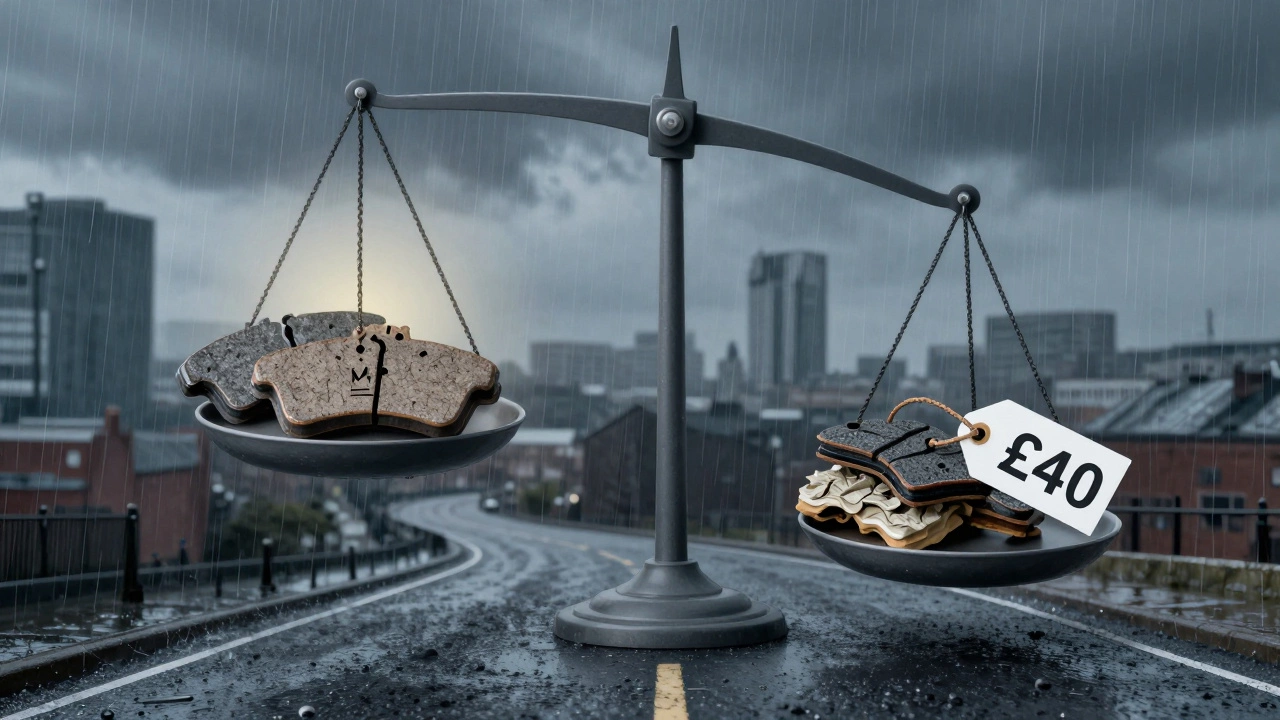
- "This is a special offer" - If the price seems too good to be true, it probably is. Cheap pads can mean poor stopping power or early wear.
Always ask for old parts back. If they say "we dispose of them," that’s a red flag. Reputable shops will show you the worn pads and rotors before tossing them.
When Should You Replace Brake Pads?
You shouldn’t wait until you hear squealing. By then, you’re already damaging the rotors. Here’s a better rule:
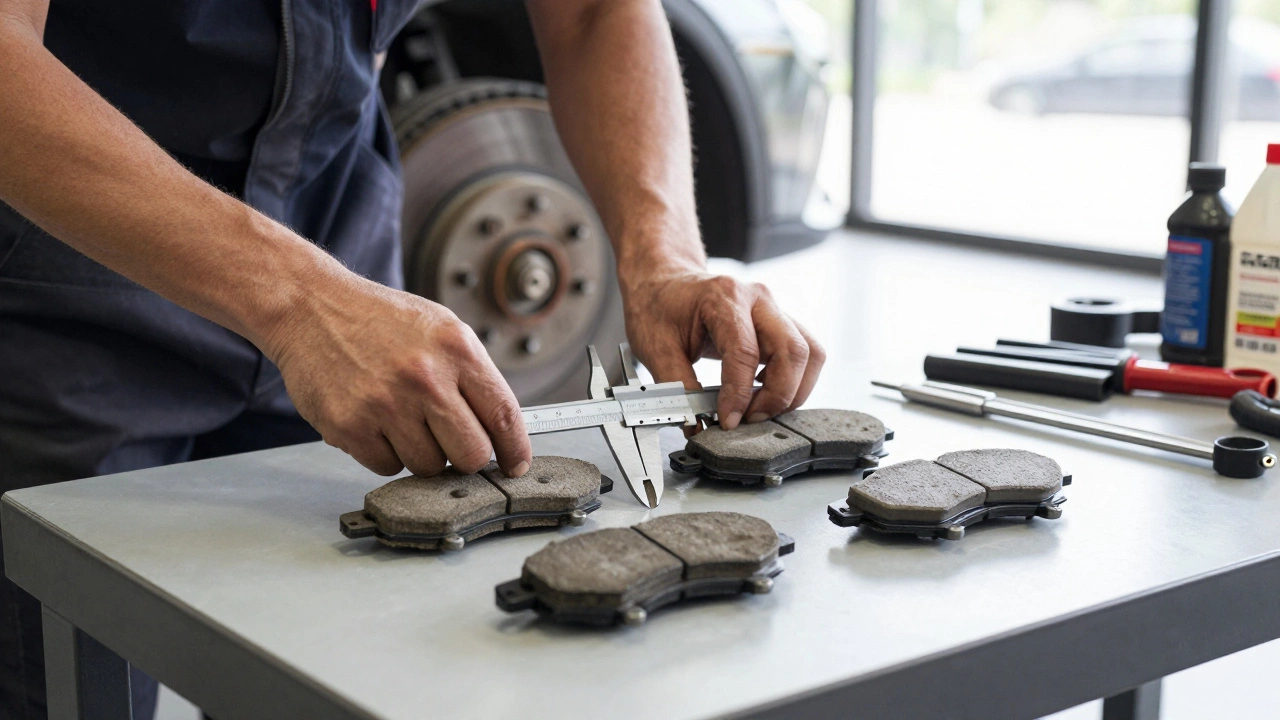
- Check pad thickness every 10,000 miles. If it’s under 3mm, replace them.
- Most manufacturers recommend replacement at 2-4mm. New pads start at 8-12mm.
- If you drive in heavy traffic or hilly areas, pads wear faster. Manchester drivers in stop-and-go traffic might need replacements every 25,000 miles.
- Don’t rely on dashboard warnings. Some cars don’t have pad sensors, especially older models.
Keep a log. Write down your last replacement date and mileage. It helps you spot patterns and avoid being overcharged.
What About Premium Brands?
Brands like Brembo, EBC, and Ferodo are trusted in the UK. They’re not magic-they just have tighter quality control. A £120 set of Brembo pads isn’t 3x better than a £40 set. But it might last 2x longer and stop more smoothly in rain.
For daily driving, stick with reputable mid-tier brands like ATE, Textar, or TRW. They’re used by European carmakers as original equipment. You get reliability without the luxury markup.
Final Advice: What to Do Next
If your pads are worn, don’t delay. Brakes are your car’s most critical safety system. Here’s what to do:
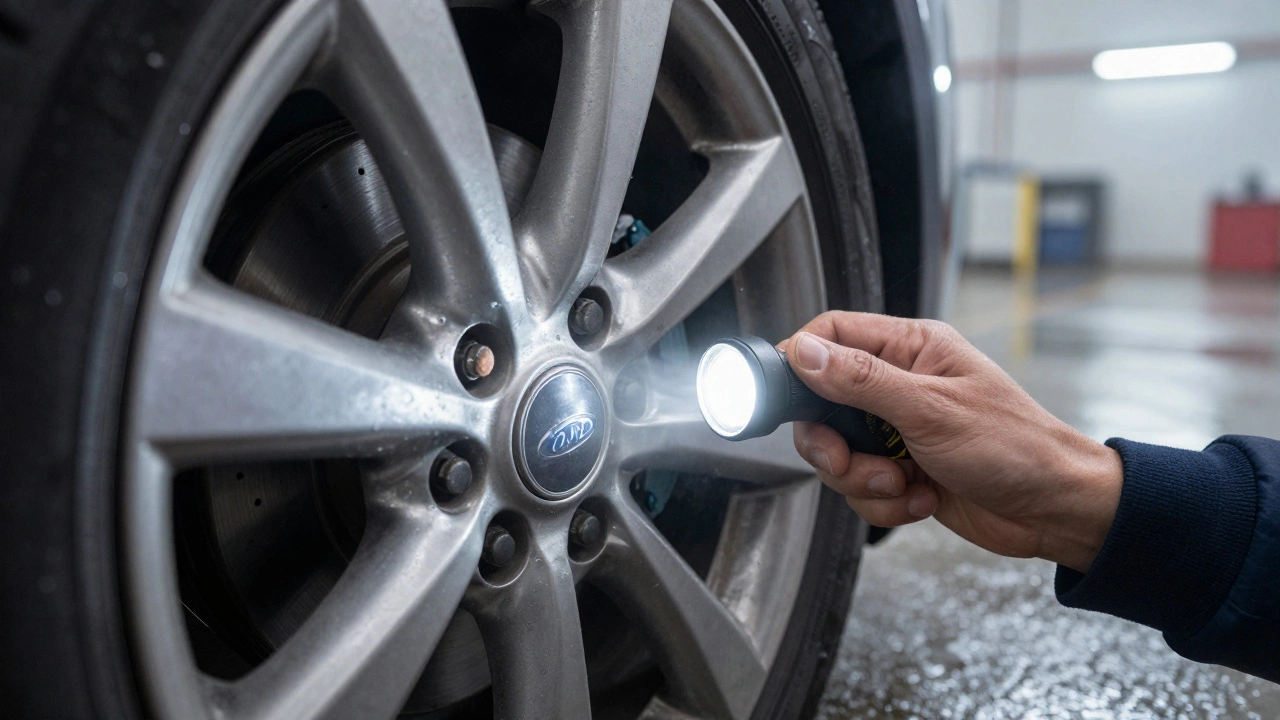
- Check your pad thickness. Use a flashlight and look through the wheel spokes.
- Get quotes from two local garages. Ask for itemised breakdowns: parts, labour, any extras.
- Decide on pad type based on your driving. Ceramic for comfort and longevity; low-metallic for value.
- If you’re handy, buy parts online and fit them yourself.
- Never skip the inspection. Rotors, fluid, and hardware matter too.
Spending £200 now to replace your brake pads properly could save you £800 later on warped rotors, damaged calipers, or worse-a serious accident.
How often should brake pads be replaced?
Brake pads typically last between 25,000 and 70,000 miles, depending on driving style, vehicle weight, and pad material. City drivers in places like Manchester may need replacements every 25,000-35,000 miles due to frequent stops. Highway drivers can go longer. Always check thickness-replace when pads are under 3mm.
Can I replace just the front brake pads?
Yes, but it’s not ideal. Front pads wear faster because they handle 70-80% of braking force. However, replacing only the front can cause uneven braking and premature wear on the rear pads. For safety and even performance, replace pads in pairs-front or rear set together. Replace all four if both sets are worn.
Are expensive brake pads worth it?
Ceramic and premium brake pads cost more upfront but last longer, stop better in wet conditions, and produce less dust. For daily driving, mid-tier brands like ATE or TRW offer the best balance of price and performance. Luxury brands like Brembo are worth it for performance cars or heavy towing, but overkill for a standard family hatchback.
Why do brake pad prices vary so much?
Prices vary because of pad material (organic, metallic, ceramic), brand reputation, vehicle compatibility, and where you buy them. Garage-bought pads include markup and labour estimates. Online retailers sell parts at wholesale prices. Also, some cars require special brackets or sensors, which add to the cost. A Ford Fiesta brake pad set costs less than a BMW 3 Series set due to complexity and materials.
Do I need to replace rotors when replacing brake pads?
Not always. Rotors only need replacement if they’re warped, cracked, or worn below the minimum thickness (marked on the rotor edge). Light scoring can be resurfaced for £30-£50. Many garages push rotor replacement to increase profits. Ask to see the rotors and get a thickness measurement before agreeing to replace them.