Brake Pad Thickness: Why It Matters and How to Check
When you hear brake pad thickness mentioned, you might wonder what the number really tells you. Brake Pad Thickness, the amount of material left on a vehicle’s brake pads. Also known as pad wear, it directly influences stopping distance and overall brake system safety. In everyday terms, if the pads are too thin, the car can’t stop as quickly, which puts the whole braking system at risk.
Brake pads are the friction blocks that press against the rotating discs. Brake Pads, friction components that clamp onto rotors to slow the wheel wear down over time, and their remaining thickness is the key metric for replacement decisions. At the same time, the metal discs they bite into are called brake rotors. Brake Rotors, metal discs that the pads clamp onto to convert motion into heat must stay in good shape, too. The two parts work together: brake pads convert kinetic energy into heat while the rotors dissipate that heat.
How to Measure and Interpret Brake Pad Thickness
Most mechanics use a simple gauge or a dedicated micrometer. A reading of 3 mm or more usually means you have healthy pads. When the measurement drops to 2 mm, the wear indicators—tiny metal tabs built into the pad—start to scrape against the rotor, creating a high‑pitched squeal. Those Brake Wear Indicators, built‑in metal tabs that alert you to low pad thickness are an early warning system that saves you a costly repair.
Understanding the numbers is only half the story. Brake pad thickness determines braking performance. Thin pads reduce the contact area with the rotor, which lowers friction and lengthens stopping distances. Adequate brake pad thickness requires regular inspection, especially for drivers who tow heavy loads or drive in hilly terrain. Brake pads interact with brake rotors to convert kinetic energy into heat, and when either component is worn, the system can overheat, leading to brake fade.
In practice, keep an eye on three signals: a squealing noise from the wear indicators, a soft or spongy brake pedal, and a noticeable decline in stopping power. If any of these appear, measure the thickness right away. Most UK road‑taxed vehicles recommend replacing pads before they reach 1 mm, because at that point the metal backing can contact the rotor, causing scoring and expensive rotor resurfacing or replacement.
Below you’ll find a curated set of articles that walk you through checking pad thickness, choosing the right material, understanding rotor resurfacing vs. replacement, and other practical tips to keep your braking system reliable. Whether you’re a DIY enthusiast or just want to know when to book a shop appointment, the collection provides clear, actionable insight for every driver.
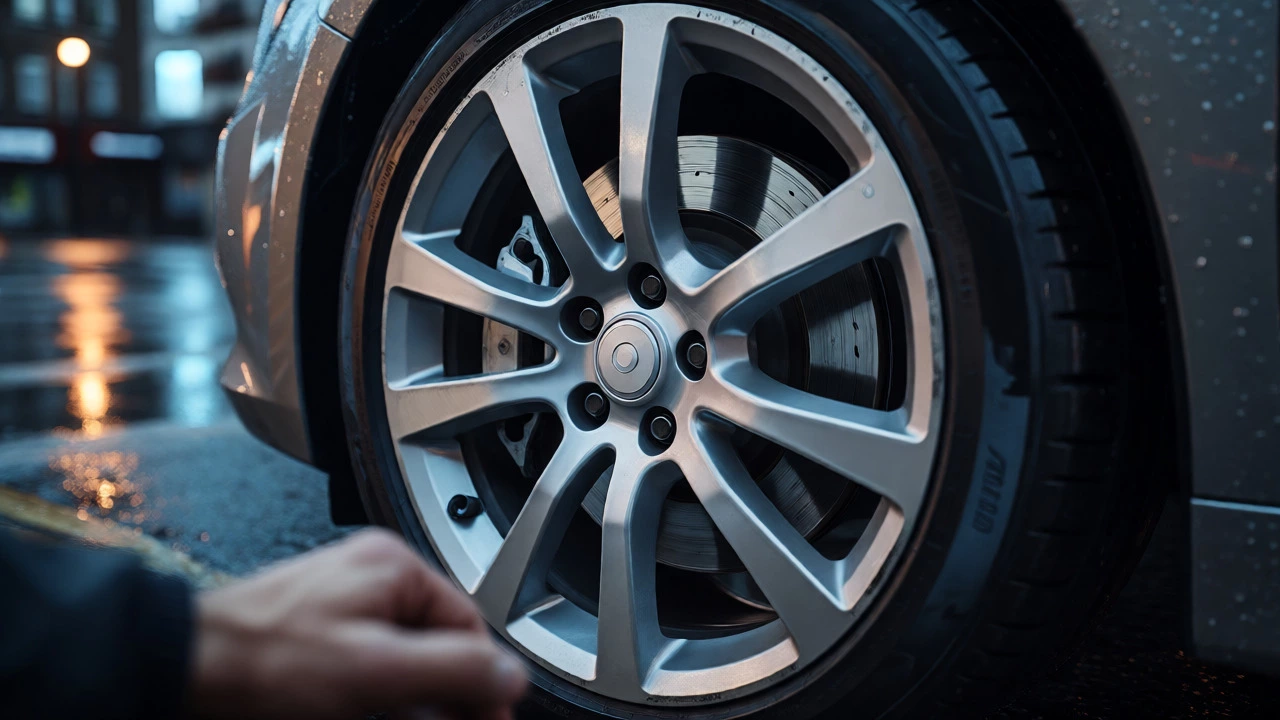
How to Know When Your Brake Pads Need Replacing
Sep 17 2026 / Brake PadsDiscover the clear signs your brake pads need replacing, from squealing noises to pedal vibrations. Learn how to check pad thickness safely and avoid costly repairs.
VIEW MORE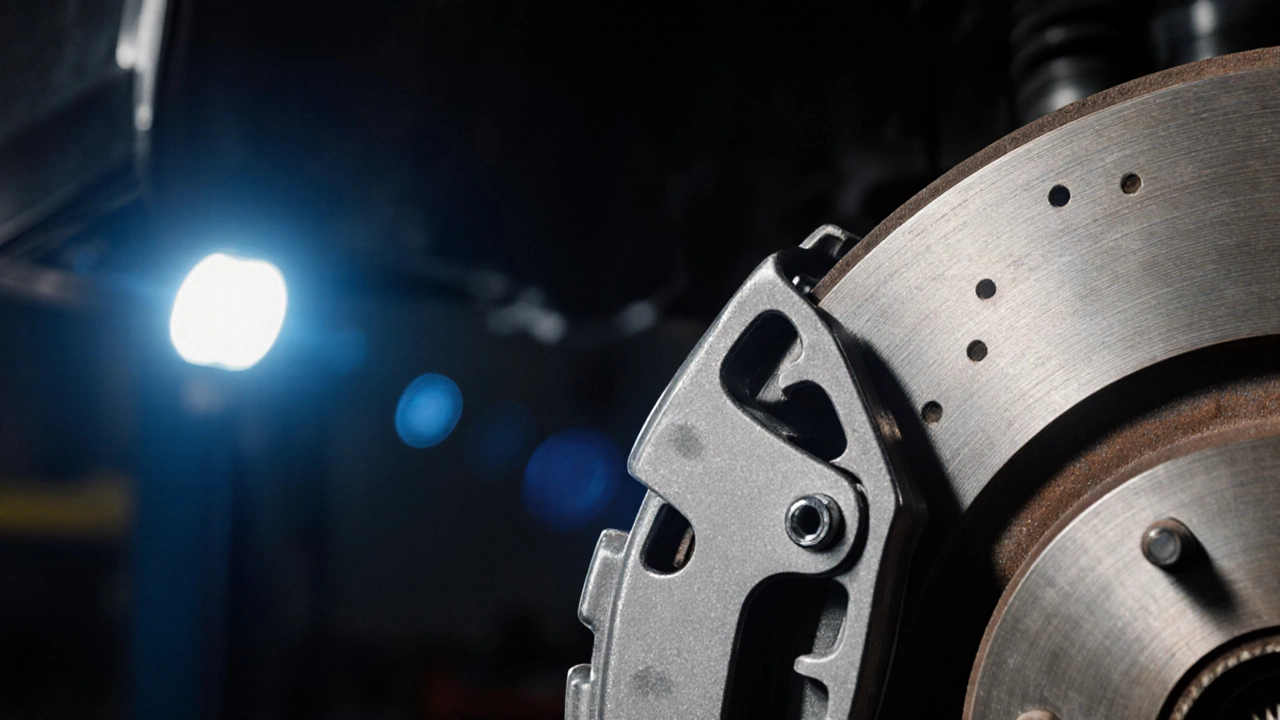
How to Tell When Your Brake Pads Are Worn
Oct 17 2025 / Brake PadsLearn the key signs, inspection steps and safety tips to know when your brake pads need replacement.
VIEW MORE