Car Diagnosis: Spot Problems Early and Save Money on Repairs
When your car acts up, it’s not just annoying—it’s a signal. Car diagnosis, the process of identifying what’s wrong with a vehicle by reading symptoms, using tools, and understanding systems. Also known as vehicle diagnostics, it’s how you stop small issues from turning into expensive breakdowns. Most people wait until the engine won’t start or the warning light flashes, but by then, damage is already done. The best car diagnosis happens before the car stops working.
Think about the fuel pump, a component that delivers gasoline from the tank to the engine under pressure. When it starts failing, your car doesn’t just die—it sputters, hesitates, and struggles to start, especially when hot. That’s not random. It’s a clear diagnostic clue. Same with spark plugs, small but critical parts that ignite the air-fuel mixture in the engine cylinders. Worn or dirty plugs don’t just make your car hard to start—they cause rough idling, poor fuel economy, and even misfires that hurt your catalytic converter. And then there’s the air filter, a simple screen that stops dirt from entering the engine. A clogged one doesn’t just reduce power—it tricks your engine into thinking it needs more fuel, burning more gas and building up carbon deposits over time.
These aren’t isolated parts. They’re connected. A bad fuel pump affects engine performance, which puts extra stress on the ignition system. Dirty spark plugs make the engine run inefficiently, which can mask or mimic fuel pump problems. And if your air filter is clogged, your engine might start acting like it has a sensor issue when it’s really just starving for air. That’s why proper car diagnosis isn’t about guessing. It’s about connecting the dots between symptoms, systems, and history.
You don’t need a $500 scanner to start diagnosing your car. Listen. Smell. Feel. Does it make a whining noise when you turn the key? That’s often the fuel pump. Does it hesitate when you step on the gas? Could be spark plugs, air filter, or even a failing oxygen sensor. Is the steering loose or clunky? That’s not just "old suspension"—it’s worn shocks, ball joints, or control arms that need attention before they fail on a corner. The more you learn to read these signs, the less you pay to mechanics just to tell you what you already felt.
What follows is a collection of real, no-fluff guides based on actual problems drivers face. You’ll find out what really happens when your fuel pump gives out, whether new spark plugs fix hard starts (and when they don’t), how a dirty air filter quietly kills your fuel economy, and why suspension repairs cost so much—and how to avoid being overcharged. These aren’t theory pieces. They’re based on what people actually see, hear, and experience when their cars start acting strange. No jargon. No sales pitches. Just what you need to know to fix it yourself—or know when to walk into a shop with the right questions.
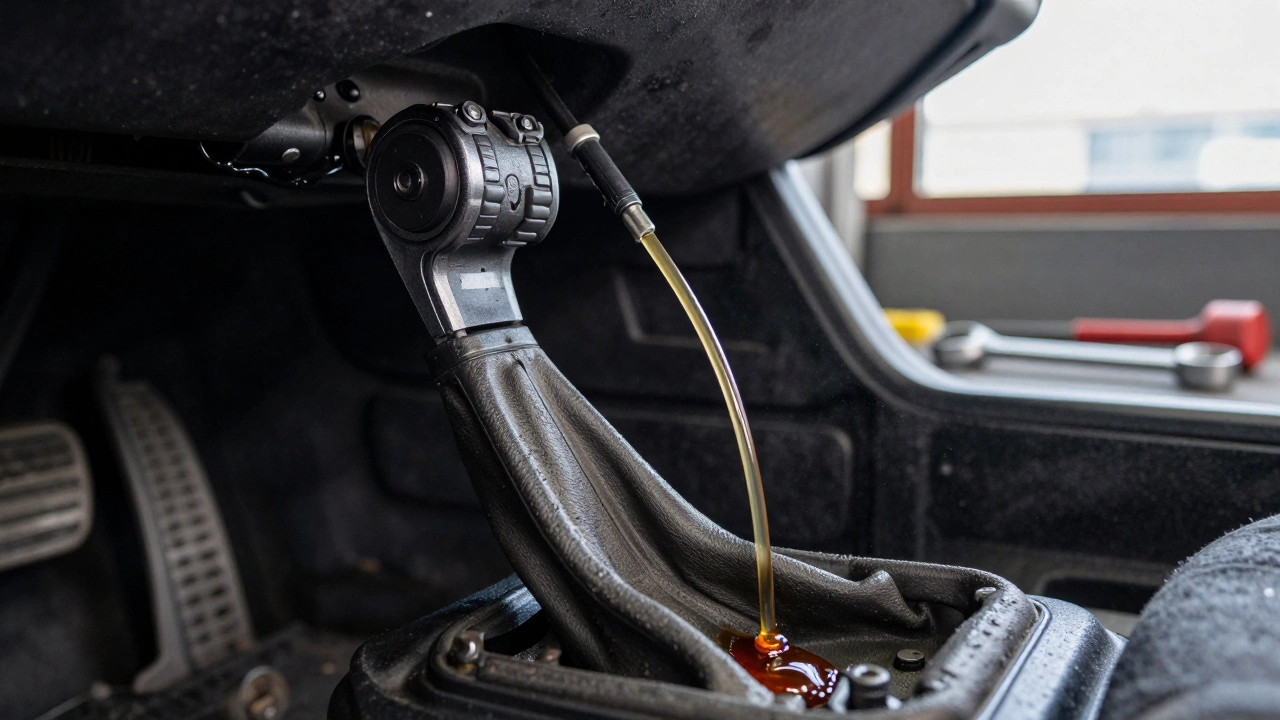
Is It My Clutch or Transmission? How to Tell the Difference
Dec 1 2025 / Transmission PartsLearn how to tell if your car's shifting problems are caused by a worn clutch or failing transmission. Save money by diagnosing the issue correctly before spending on repairs.
VIEW MORE