Clutch and Engine Power: How They Work Together and What Really Matters
When you press the clutch pedal, you’re not just disconnecting the engine from the wheels—you’re managing how clutch and engine power, the system that transfers engine torque to the wheels through mechanical engagement. Also known as clutch engagement, it’s the bridge between raw horsepower and usable motion. A worn clutch doesn’t kill your engine, but it steals the power you paid for. If your car feels sluggish when accelerating, or the revs rise without speed matching, that’s not your engine dying—it’s your clutch slipping.
The clutch kit, the set of components including the pressure plate, disc, and release bearing that connect the engine to the transmission is built to last, but it doesn’t last forever. Driving with your foot resting on the pedal, riding the clutch in traffic, or launching hard from a stop all eat away at it faster than you think. And when it fails, it often looks like a transmission issue, a problem with the gearbox that shifts gears and distributes power. But the real culprit? A worn clutch disc that can’t grip anymore. You don’t need a new transmission—you need a new clutch. And that’s a lot cheaper.
Engine power means nothing if the clutch can’t hold it. A high-performance engine with a cheap or worn clutch is like a sports car with bald tires. It might sound loud, but it won’t get you where you want to go. Upgrading your clutch kit won’t add horsepower, but it will let your engine use every single pound of it. That’s why drivers who track their cars or tow heavy loads often upgrade—not for more power, but for better control.
Clutch wear doesn’t happen overnight. It starts with small signs: a higher pedal height, a slight delay when shifting, or the engine revving without acceleration. These aren’t just annoyances—they’re warnings. Ignoring them leads to sudden failure, stranded vehicles, and bigger repair bills. The same habits that damage your clutch also stress your transmission. Fix the clutch early, and you avoid costly transmission work.
What you do behind the wheel matters more than the parts you buy. Smooth shifts, proper clutch release, and avoiding unnecessary clutch use extend life. It’s not about being perfect—it’s about being aware. And if you’ve noticed your car hesitating on takeoff, or the RPMs climbing without speed, you’re not imagining it. That’s clutch and engine power failing to connect.
Below, you’ll find real stories from drivers who confused clutch problems with transmission failures, learned how to spot early wear, and saved hundreds by acting before it was too late. These aren’t theories—they’re fixes that worked.
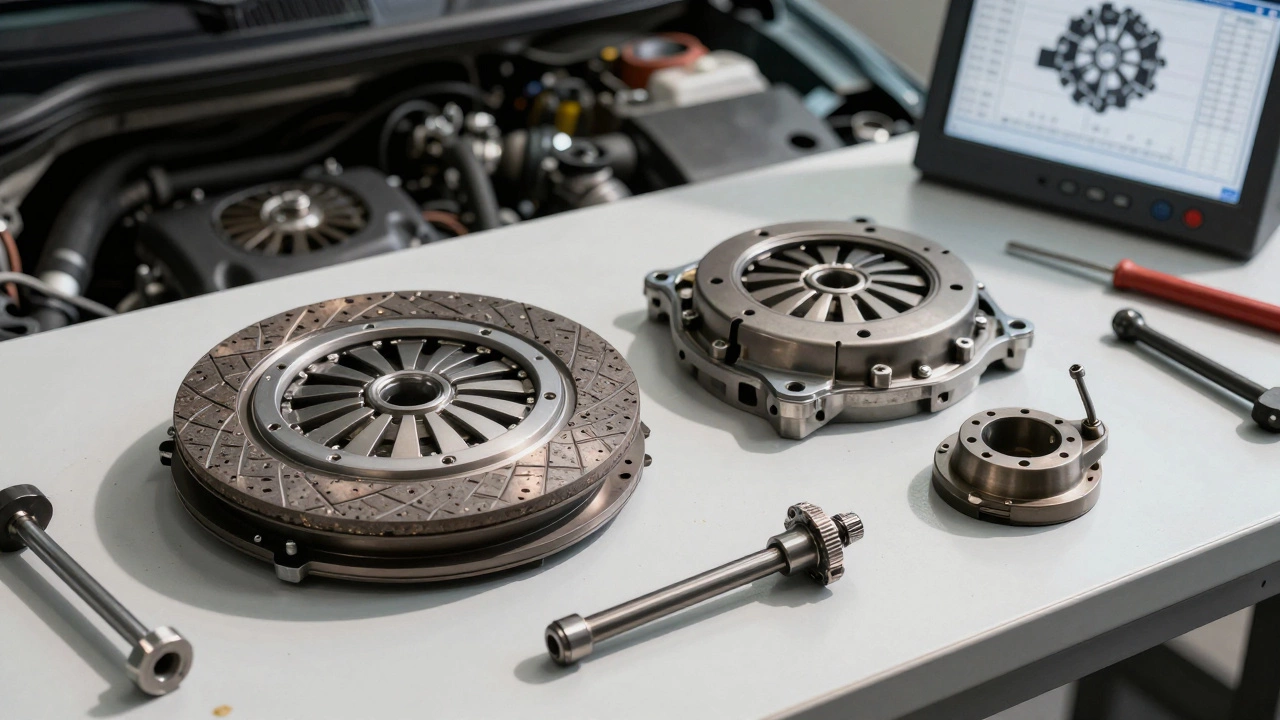
How Much Horsepower Does a Clutch Kit Add?
Dec 4 2025 / Transmission PartsA clutch kit doesn't add horsepower-it prevents power loss from slip. Learn how performance clutches unlock your engine's true output and when you actually need one.
VIEW MORE