Clutch Components Explained
When working with clutch components, the parts that link the engine to the transmission and let you change gears. Also known as clutch parts, they are vital for smooth acceleration and fuel efficiency. In everyday driving you may notice slipping, strange noises, or a stiff pedal – all clues that something inside the clutch system needs attention. This page pulls together the most useful info so you can spot problems early and decide whether a DIY fix or a professional job makes sense.
Key Parts Within a Clutch Kit
The heart of any clutch system is the clutch disc, a friction plate that engages the flywheel to transfer power. Paired with the pressure plate, a spring‑loaded cover that holds the disc against the flywheel, they form the primary friction set. When you press the pedal, the release bearing, also called the throw‑out bearing, separates the pressure plate from the disc so the gears can shift. Finally, the flywheel, a heavy metal disk mounted on the engine crankshaft provides the rotating surface the disc clamps onto.
Each of these elements has its own lifespan and wear pattern. The disc and pressure plate usually last between 60,000 and 100,000 miles, but aggressive driving or frequent stop‑and‑go can cut that in half. Release bearings are often the first to fail because they spin at high speed inside a tight housing. When they start to whine or grind, you’ll feel the pedal become noisy or feel a vibration through the footwell. The flywheel, being a solid steel piece, survives the longest, but heat‑checking or cracking can happen after many clutch cycles.
Understanding how these pieces interact helps you decide what to replace when a problem shows up. For example, if the disc is worn but the pressure plate is still in good shape, swapping just the disc saves money. However, many mechanics recommend replacing the release bearing at the same time because accessing it requires the same labor. This combined approach reduces future surprise failures and keeps the whole assembly balanced.
Beyond the hardware, the clutch’s performance is tied to clutch maintenance habits. Regularly checking hydraulic fluid (if you have a hydraulic clutch), keeping the clutch pedal free of air bubbles, and ensuring the linkage is properly adjusted can extend component life. In a manual car, a soft or spongy pedal often points to air in the system or a leaking master cylinder, which, if ignored, can lead to premature wear on the disc and pressure plate.
When it comes time for a full replacement, the clutch kit, a bundled set that includes a new disc, pressure plate, release bearing and sometimes a flywheel is the most convenient option. Kits are priced based on material quality – organic friction materials last longer but cost more than ceramic alternatives. Deciding which kit suits you depends on driving style, vehicle age, and budget.
Another factor that often gets overlooked is the connection between clutch health and overall vehicle lifespan, how long the drivetrain remains reliable under normal use. A slipping clutch forces the engine to work harder, raising fuel consumption and heating the transmission. Over time this extra stress can accelerate wear on bearings, gears, and even the engine itself. That’s why many owners treat clutch inspection as part of the regular service schedule, alongside oil changes and brake checks.
For those who enjoy a hands‑on approach, there are a few DIY checks you can perform before heading to the garage. Start by listening for a high‑pitched squeal when you press the clutch pedal – that’s the release bearing warning you. Next, notice any increase in engine revs without a corresponding acceleration; that’s the disc slipping. Finally, feel for any pulsation in the pedal during engagement; it may indicate uneven pressure plate wear. Simple visual inspection of the clutch pedal linkage for play or rust can also save a costly surprise later.
Below you’ll find a carefully curated list of articles that dive deeper into each of these topics. Whether you’re hunting for mileage guidelines, cost breakdowns, or step‑by‑step replacement guides, the collection covers the full spectrum of clutch component knowledge. Use it to sharpen your understanding, plan your next service, or decide if a professional repair is the right move.
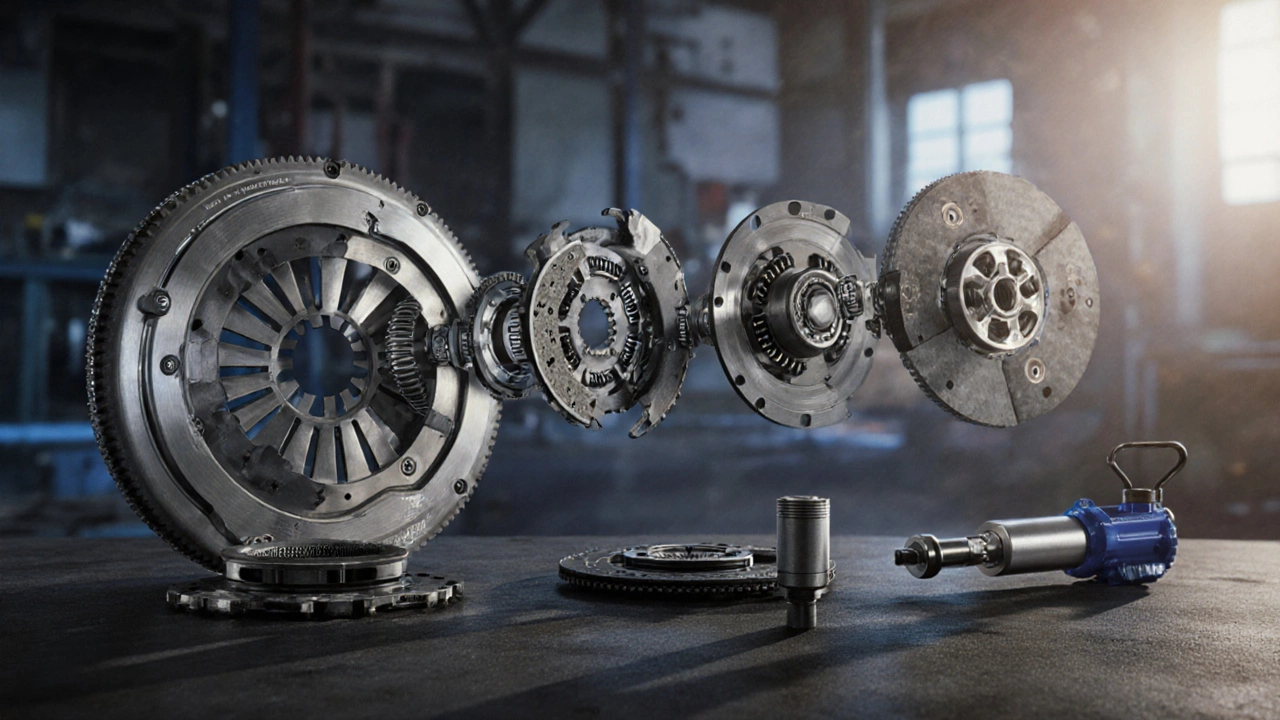
Clutch Kit Parts Explained: What’s Inside a Typical Kit?
Oct 3 2025 / Transmission PartsDiscover every part that makes up a clutch kit, how they work together, and what to look for when buying or installing one.
VIEW MORE