Clutch Life Expectancy: What to Expect and When to Act
When talking about clutch life expectancy, the period a clutch can reliably transfer power before its performance drops. Also known as clutch lifespan, this measure is directly linked to the clutch kit, the disc, pressure plate, release bearing and flywheel that work together and the degree of clutch wear, material erosion caused by friction and heat. Understanding these pieces helps you predict how many miles you can push before a rebuild becomes inevitable.
Key Factors That Shape Clutch Longevity
Every driver influences how fast the clutch ages. Aggressive gear changes, riding the clutch pedal, and frequent stop‑and‑go traffic all raise friction levels, which speeds up wear on the clutch life expectancy. Vehicle weight matters too—heavy cars demand more torque, putting extra stress on the pressure plate and release bearing. Even the type of clutch material (organic vs. ceramic) plays a part; organic plates tend to fade quicker under heat, while ceramic plates hold up longer but can be harsher on the flywheel. By matching your driving style to the right clutch kit components, you can stretch the usable life by a noticeable margin.
Maintenance habits are just as critical. Regularly checking for a burnt smell, a slipping sensation, or a hard‑to‑shift feel can reveal early signs of clutch wear before catastrophic failure. A worn release bearing often produces a whining noise that rises with engine RPM; catching it early saves you from a full kit replacement. Likewise, a warped pressure plate will cause pulsating clutch engagement, meaning the clutch isn’t holding consistently. Spotting these clues allows you to replace only the faulty part—often the release bearing or pressure plate—rather than the entire kit.
When it’s time to replace, the decision isn’t just about mileage. A well‑maintained clutch can last 80,000‑100,000 miles, but real‑world use can cut that figure in half. If you’ve noticed any of the symptoms above, or if the clutch has been subjected to heavy towing or track days, plan a replacement sooner rather than later. Swapping the entire clutch kit ensures all worn components—disc, pressure plate, release bearing, and sometimes the flywheel—are refreshed together, reducing the chance of repeat failures. For budget‑conscious drivers, replacing the clutch disc and pressure plate while re‑using a solid flywheel can be a viable compromise, provided the flywheel surface is still smooth.
Below you’ll find a curated list of articles that break down each part of the clutch system, explain how mileage, driving conditions, and component quality affect lifespan, and give step‑by‑step guidance on diagnosing and fixing common clutch problems. Dive in to get the specifics you need to keep your clutch running smoothly for as long as possible.
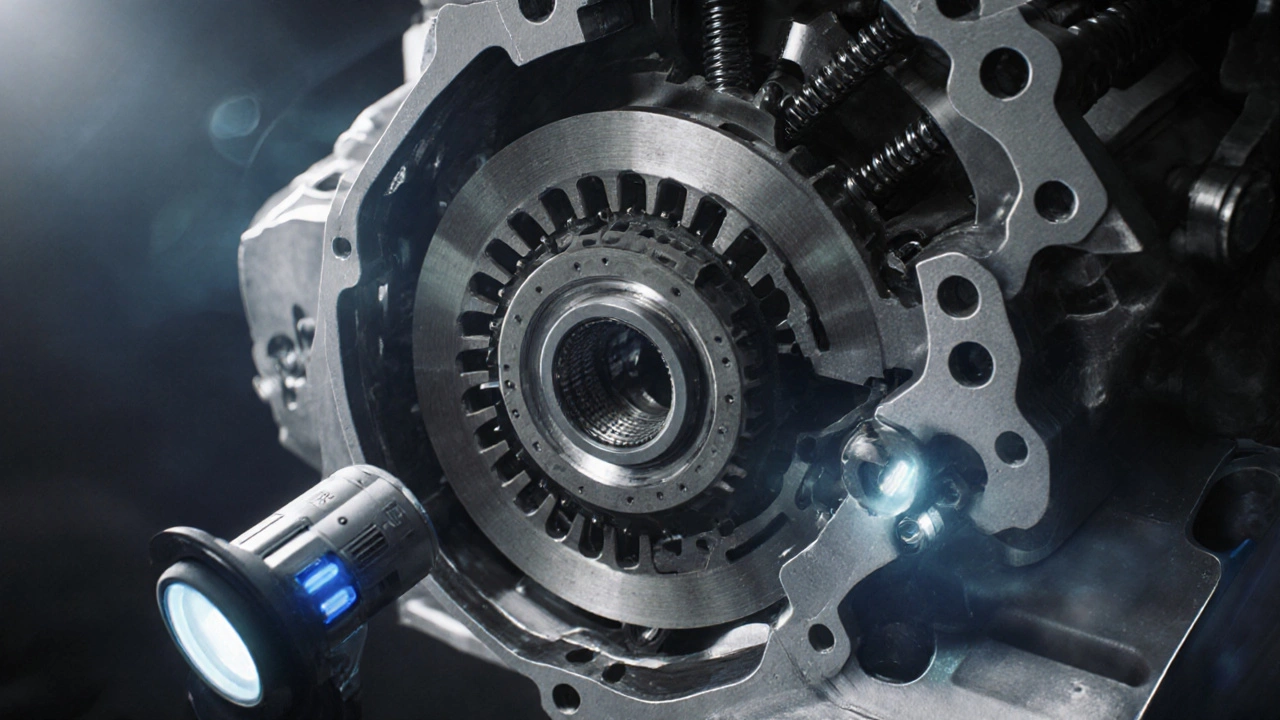
How Long Does a Car Clutch Last? Lifespan, Factors & Maintenance Guide
Oct 12 2025 / Transmission PartsLearn how long a car clutch typically lasts, the factors that affect its life, warning signs of wear, and practical maintenance tips to extend its lifespan.
VIEW MORE