Clutch Maintenance Tips – Keep Your Drive Smooth
When working with clutch maintenance, the routine checks and repairs that keep a manual transmission engaging smoothly. Also known as clutch care, it is a key part of vehicle reliability. Clutch maintenance encompasses inspecting the clutch kit, the collection of disc, pressure plate and release bearing that transfer engine power and the flywheel, the heavy rotating disc that stores kinetic energy and provides a friction surface for the clutch. By understanding how these parts work together, you can spot problems before they turn into costly repairs.
Why regular clutch maintenance matters
A worn release bearing, the component that allows the clutch to disengage when you press the pedal will cause a humming noise and make shifting jerky. That same noise often signals that the pressure plate, the spring-loaded disc that presses the clutch disc against the flywheel is losing its clamping force. Both issues directly influence clutch engagement and can reduce fuel efficiency. Recognizing these symptoms early means you can replace the affected part before the clutch disc starts grinding, saving you time and money.
Most UK drivers notice clutch slip when the engine revs rise but the car doesn’t accelerate. That slip usually means the clutch disc is worn or the pressure plate isn’t holding enough pressure. Checking the disc thickness during a routine inspection helps you decide whether a simple disc swap or a full clutch kit replacement is needed. Remember, the typical clutch kit lasts between 60,000 and 100,000 miles, but aggressive driving or frequent stop‑and‑go traffic can cut that life in half.
When budgeting for a clutch overhaul, factor in the cost of the kit itself, the labor to remove the transmission, and any ancillary parts like the flywheel or release bearing. A brand‑new clutch kit in the UK averages £300‑£500, while a used flywheel can shave a few pounds off the total. If you’re comfortable with DIY work, you’ll save on labor, but you’ll still need a hydraulic jack, a torque wrench and a set of specialist sockets. Skipping proper torque settings can warp the flywheel or damage the new pressure plate, turning a simple fix into a repeat problem.
Beyond the mechanical side, driving habits play a huge role in clutch health. Letting the clutch rest on the hill, riding the pedal, or rapid gear changes all increase wear on the release bearing and disc. A good rule of thumb is to fully engage the clutch only when shifting and to release it quickly after the gear is in. This habit reduces heat buildup and extends the life of the entire clutch kit.
By keeping an eye on the clutch kit components, monitoring the flywheel condition, and treating the release bearing and pressure plate with respect, you’ll notice fewer jerks, smoother starts and better fuel mileage. The articles below dive deeper into each of these topics – from spotting the first signs of wear to calculating the exact cost of a replacement. Get ready to take charge of your vehicle’s clutch health and avoid unexpected breakdowns.
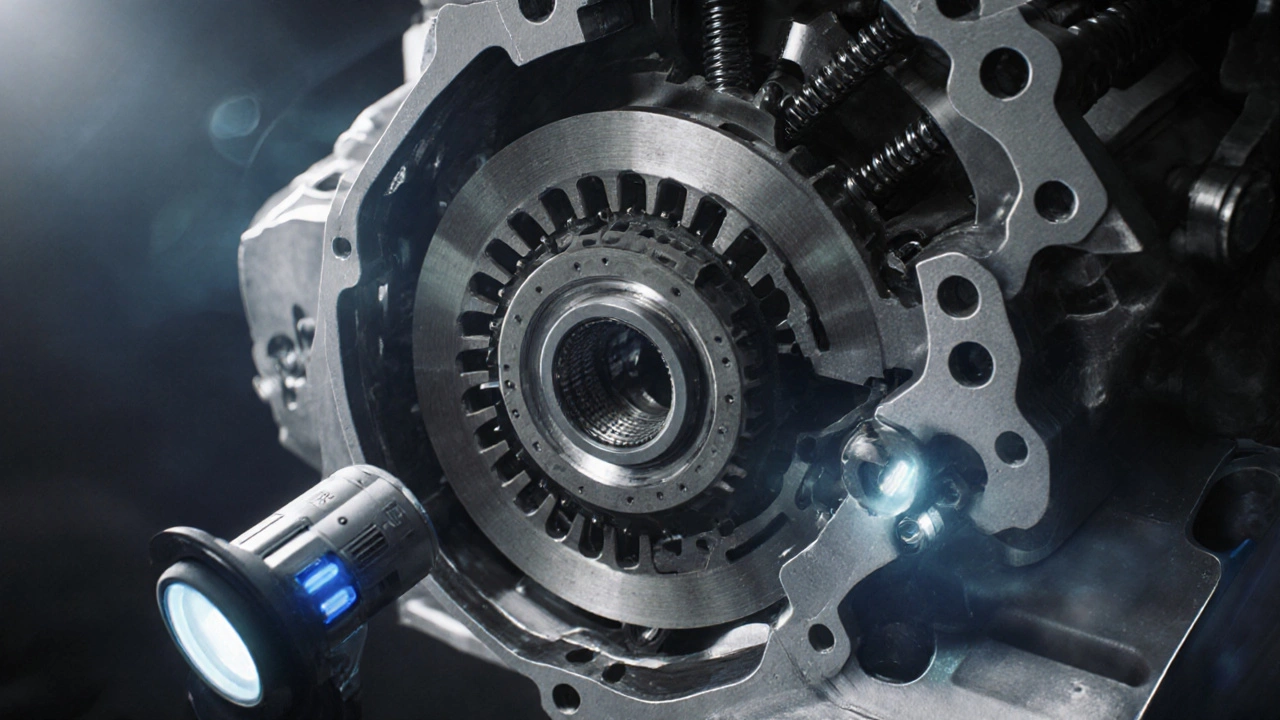
How Long Does a Car Clutch Last? Lifespan, Factors & Maintenance Guide
Oct 12 2025 / Transmission PartsLearn how long a car clutch typically lasts, the factors that affect its life, warning signs of wear, and practical maintenance tips to extend its lifespan.
VIEW MORE